中文简体
中文简体 English
 Español
Content
What Are 75 Ohm Braiding Cables?
75 Ohm braiding cables are a category of coaxial cable engineered with a braided metallic shield surrounding the inner conductor and dielectric core. The "75 Ohm" designation refers to the characteristic impedance of the cable, a value chosen specifically to minimize signal loss and reflection in video, broadcast, and radio frequency applications. Unlike 50 Ohm cables, which are common in two-way radio and data transmission, 75 Ohm cables are optimized for carrying analog and digital video signals, satellite feeds, and cable television distribution with minimal distortion over long distances.
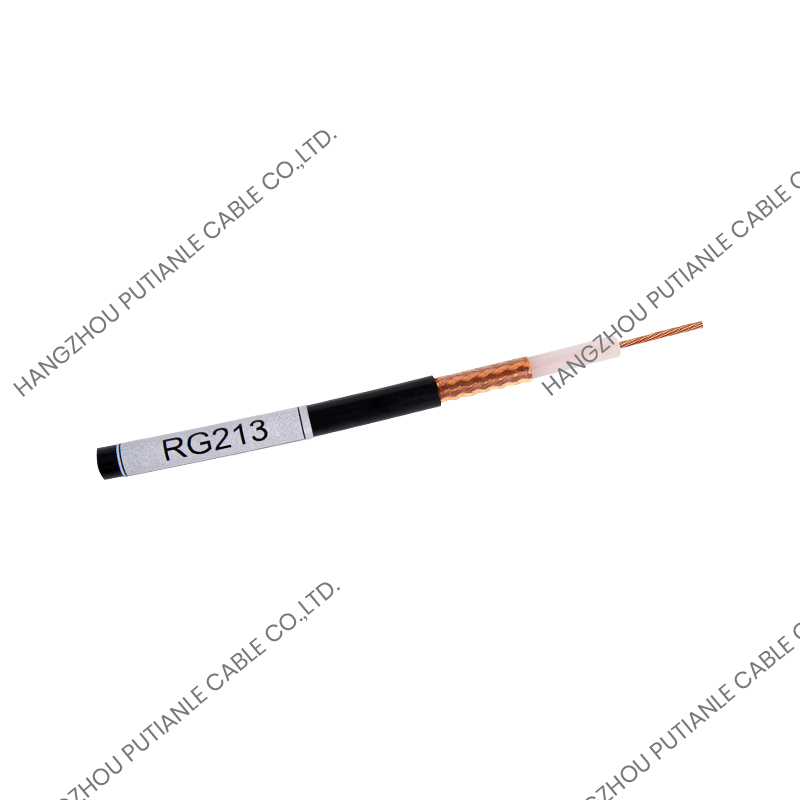
The braided shield itself is made from interwoven strands of copper, tinned copper, or aluminum wire. This woven structure gives the cable flexibility while still providing strong protection against electromagnetic interference (EMI) and radio frequency interference (RFI). Braiding is one of several shielding methods used in coaxial cable design, and it remains popular because it balances flexibility, durability, and shielding effectiveness better than solid foil shields alone.
Core Construction and Materials
A typical 75 Ohm braided cable consists of four main layers, each playing a distinct role in signal integrity and physical protection.
Center Conductor
The center conductor carries the actual signal and is usually made of solid or stranded copper, sometimes copper-clad steel for added tensile strength. Solid conductors tend to offer better signal consistency, while stranded versions provide more flexibility for installations that require frequent bending or routing through tight spaces.
Dielectric Insulation
Surrounding the center conductor is a dielectric layer, commonly made from foam polyethylene or solid polyethylene. This layer maintains consistent spacing between the conductor and the shield, which is essential for preserving the 75 Ohm impedance along the entire length of the cable.
Braided Shield
The braid is woven from fine metal strands, typically bare copper, tinned copper, or aluminum. It blocks external interference from entering the cable and prevents the signal inside from leaking out. Braid density, often expressed as a percentage of coverage, directly affects how well the cable resists interference.
Outer Jacket
The outer jacket, usually PVC, polyethylene, or a low-smoke variant, protects the internal layers from moisture, abrasion, and UV exposure. Jacket material selection often depends on whether the cable will be installed indoors, outdoors, underground, or in plenum spaces that require fire-resistant materials.
Braiding Coverage and Shielding Performance
Braid coverage is one of the most important specifications to check when selecting a 75 Ohm cable, since it determines how much of the cable surface is physically covered by the woven shield. Higher coverage generally means better protection against interference, but it can also affect flexibility and cost.
| Braid Coverage | Typical Use Case | Interference Resistance |
| 60%–70% | Residential cable TV, short runs | Moderate |
| 77%–90% | Commercial video, satellite systems | High |
| 95%+ (dual or quad shield) | Broadcast, high-EMI environments | Very High |
Cables described as "dual shield" or "quad shield" combine a braided layer with an additional foil or second braid layer. Quad shield 75 Ohm cables, for example, are widely used in cable television trunk lines and areas with significant electrical noise, such as near industrial equipment or dense wiring bundles.
Common Applications for 75 Ohm Braided Cables
Because of their impedance rating and shielding characteristics, 75 Ohm braided cables show up across a wide range of video and broadcast systems.
- Cable television (CATV) distribution from the utility drop to in-home outlets
- Satellite television and satellite internet receiver connections
- Closed-circuit television (CCTV) security camera video feeds
- Broadcast studio video routing, including SDI (Serial Digital Interface) signal paths
- Antenna and RF distribution systems in commercial buildings
In broadcast environments particularly, cable choice can directly affect picture quality. A cable with inconsistent impedance or inadequate shielding can introduce visible artifacts, signal dropout, or ghosting, especially over longer cable runs where signal degradation compounds.
How to Choose the Right 75 Ohm Braided Cable
Selecting the correct cable involves more than checking the impedance rating. The following factors should guide the decision.
Cable Run Length
Longer runs experience more signal attenuation, so thicker center conductors and lower-loss dielectric materials become more important as distance increases. For runs beyond 100 feet, it is worth checking the manufacturer's attenuation specifications at the relevant frequency.
Environmental Conditions
Outdoor or underground installations require jackets rated for UV resistance or direct burial, often with a flooding compound that blocks moisture ingress. Indoor plenum installations may require jackets that meet fire safety codes, such as CMP-rated cable in North America.
Interference Levels
Sites near motors, transformers, fluorescent lighting, or dense electrical wiring benefit from higher braid coverage or dual/quad shield designs. In low-interference residential settings, standard single-braid cable is typically sufficient.
Connector Compatibility
The cable diameter and braid type should match the connectors being used, such as F-type, BNC, or RCA connectors. Mismatched connector and cable combinations are a common source of intermittent signal problems.
Installation and Handling Tips
Proper installation preserves the performance advantages that 75 Ohm braided cables are designed to provide. A few practical habits make a measurable difference in long-term reliability.
- Avoid sharp bends; most coaxial cables have a minimum bend radius of roughly ten times the cable diameter
- Strip the jacket and braid carefully to avoid nicking the center conductor during connector installation
- Use compression connectors rather than crimp-on types where possible, since they provide a more consistent seal and better long-term contact
- Ground the shield properly at entry points to reduce the risk of interference and electrical surges
- Keep cable runs separated from AC power lines when possible to limit induced interference
Troubleshooting Common Signal Issues
When a 75 Ohm braided cable system develops signal problems, the cause is often traceable to a handful of recurring issues rather than the cable material itself. Loose or corroded connectors are among the most frequent culprits, particularly in outdoor installations exposed to moisture over time. A visual inspection of connector points, along with a check for oxidation or looseness, resolves many intermittent signal complaints.
Physical damage to the braid, such as crushing from being stepped on or pinched under furniture, can reduce shielding effectiveness even if the outer jacket appears intact. In these cases, replacing the affected section rather than the entire run is often sufficient. Signal testers or a simple continuity check can help isolate whether a problem originates from the cable, the connector, or the connected equipment before assuming a full replacement is necessary.
Final Considerations
75 Ohm braided cables remain a dependable choice for video, broadcast, and RF distribution because their impedance rating and shielding structure are specifically matched to how these signals behave. Choosing the right braid coverage, jacket material, and connector type for the installation environment goes a long way toward ensuring stable, interference-free performance over the cable's service life.