中文简体
中文简体 English
 Español
Content
- 1 What is cable screening and how does it work?
- 2 Types of cable screening
- 3 Screened vs unscreened cables and the risks of skipping the screen
- 4 Where screened cables are required
- 5 How to choose the right screened cable
- 6 Buying considerations for screening performance
- 7 Screening is a specification, not an afterthought
A field engineer was called to a factory where a new CCTV system lost frames every time a conveyor started. The cameras, recorder, and cable lengths all met the specification. The fault was one detail: a ten-meter unscreened cable routed alongside a motor power line. Replacing that single drop with a screened cable restored the picture permanently.
The root cause is the subject of this article. Cable screening, also called shielding, is a conductive layer placed around one or more insulated conductors to prevent electromagnetic interference (EMI) from disturbing the signal inside, and to stop the signal from leaking out. In practice, screening is the difference between a video feed that stays stable next to a variable frequency drive and one that falls apart, and between a radio link that holds its data rate and one that resends constantly.
What is cable screening and how does it work?
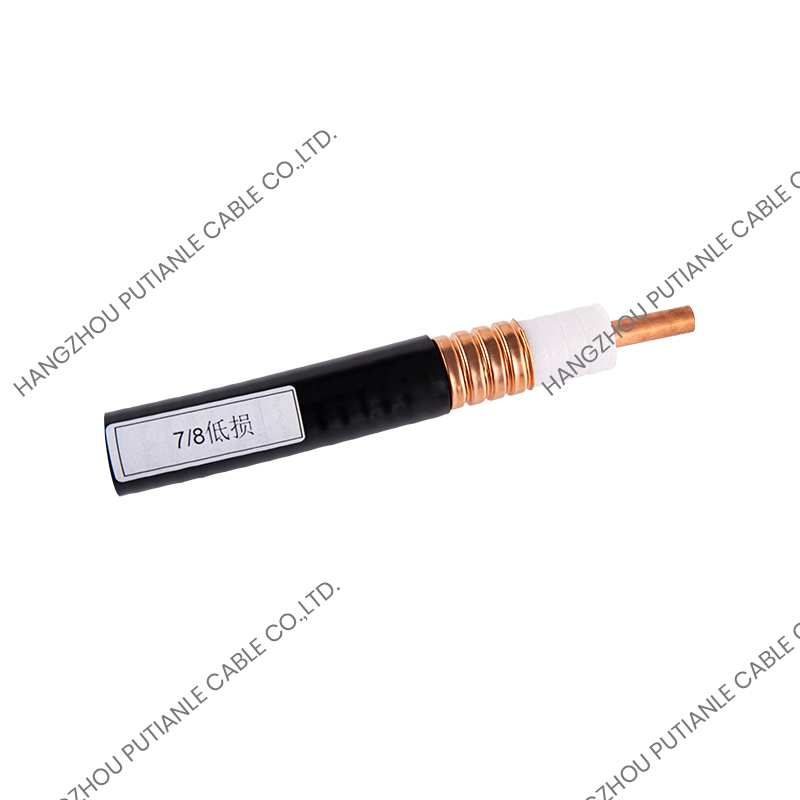
In a coaxial cable, the screen is usually the outer conductor itself. In a 75 ohm cable for CCTV or cable television, that conductor may be a copper braid, an aluminum foil, or a braid and foil combination. In a 50 ohm RF feeder, it is often a corrugated aluminum or copper tube. In multiconductor data and instrumentation cables, screening can cover each pair, the whole bundle, or both.
The operating principle is straightforward. Every conductor carrying current generates an electromagnetic field, and any conductor inside that field picks up part of it as induced current. Without a screen, a cable behaves like an antenna, collecting noise from motors, switchgear, radio transmitters, lighting ballasts, and adjacent cables. The screen provides a low-impedance path that conducts these induced currents to ground before they can couple into the signal conductor. Because the signal and the screen share the same cable, screening efficiency and signal quality cannot be separated.
Specifiers evaluate screening performance with two main figures. Transfer impedance, expressed in milliohms per meter, describes braided and foil screens; screening attenuation, expressed in decibels, is common in television and telecom work. The lower the transfer impedance, the better the protection. Datasheets also list coverage: a typical braid covers 85 to 97 percent of the surface, while a foil or a tube covers 100 percent. The missing few percent matter most at high frequencies and under heavy noise. Throughout the different types of coaxial cable, the screen is the layer that decides electromagnetic compatibility.
Types of cable screening
Cable manufacturers use four screen constructions in coaxial and data cables.
Braid screens
Braid screens are woven from tinned or bare copper wires. They handle repeated flexing well, provide good screening across a broad frequency range, and are easy to terminate with standard connectors. Their main limitation is the small diamond-shaped apertures between wires, which allow high-frequency energy to pass. When the installation requires both flexibility and a dependable screen, a cable such as the PTL400 outer conductor braiding cable maintains screening continuity through tight bends and repeated handling.
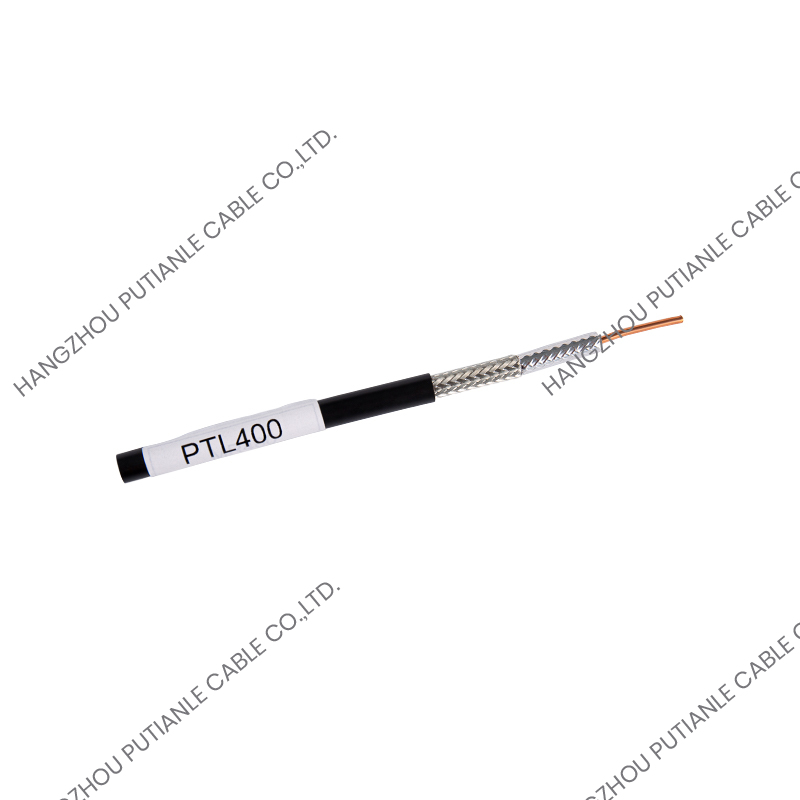 LMR400 Outer Conductor Braiding Coaxial Cables Manufacturers,CompanyPutianle Cable is China LMR400 Braiding Coaxial Cables Manufacturers, PTL400 Outer Conductor Braiding Cables Company,Wholesale PTL400 , L...View Product →
Foil screens
Foil screens use a thin aluminum layer laminated to a polyester carrier. Coverage is effectively 100 percent, which makes foil better than a normal braid at high frequencies and much lighter. The disadvantages are mechanical: foil can crack under repeated flexing, and grounding relies on a separate drain wire that must be connected correctly. Foil is common in data cables and in combined constructions where a second layer covers its weaknesses.
Combined screens and continuous tube screens
Combined screens, usually foil under a braid, are standard in RG6, satellite drop cables, and high-speed data cabling. One layer compensates for the gaps in the other: the foil blocks high-frequency leakage, while the braid adds strength, low DC resistance, and a durable return path.
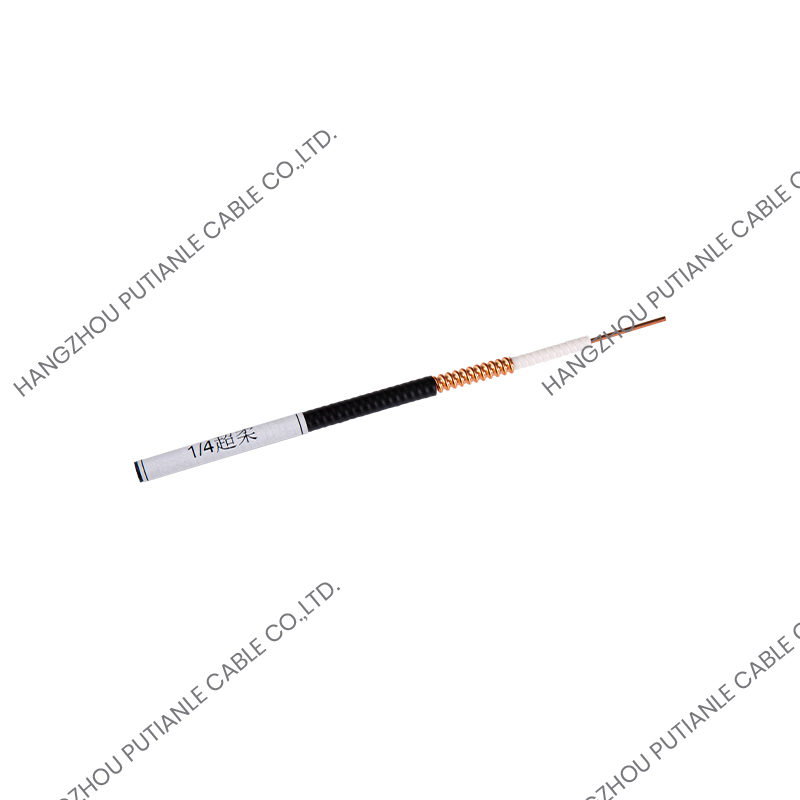
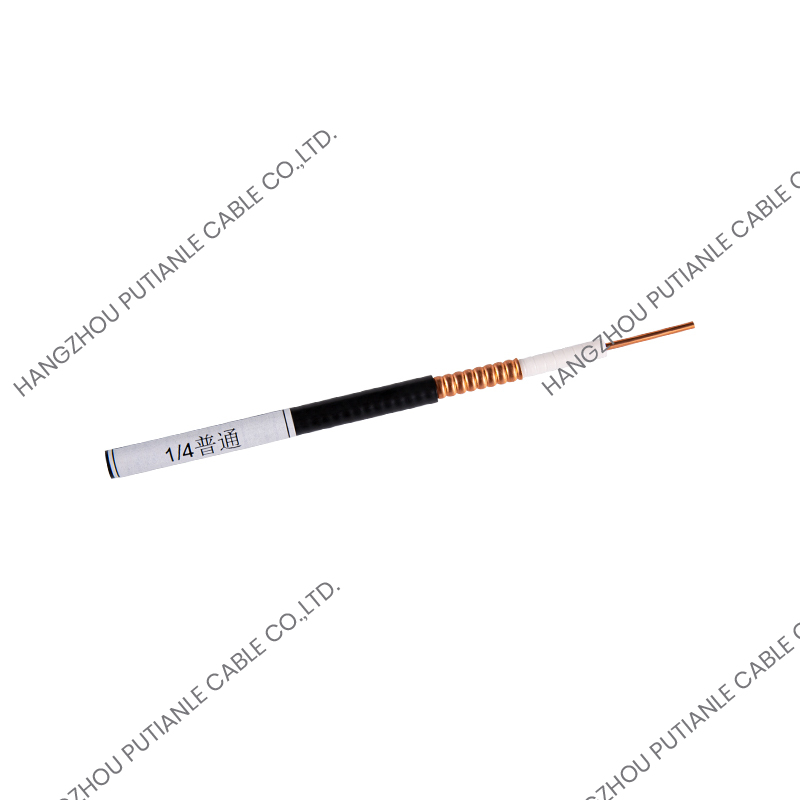
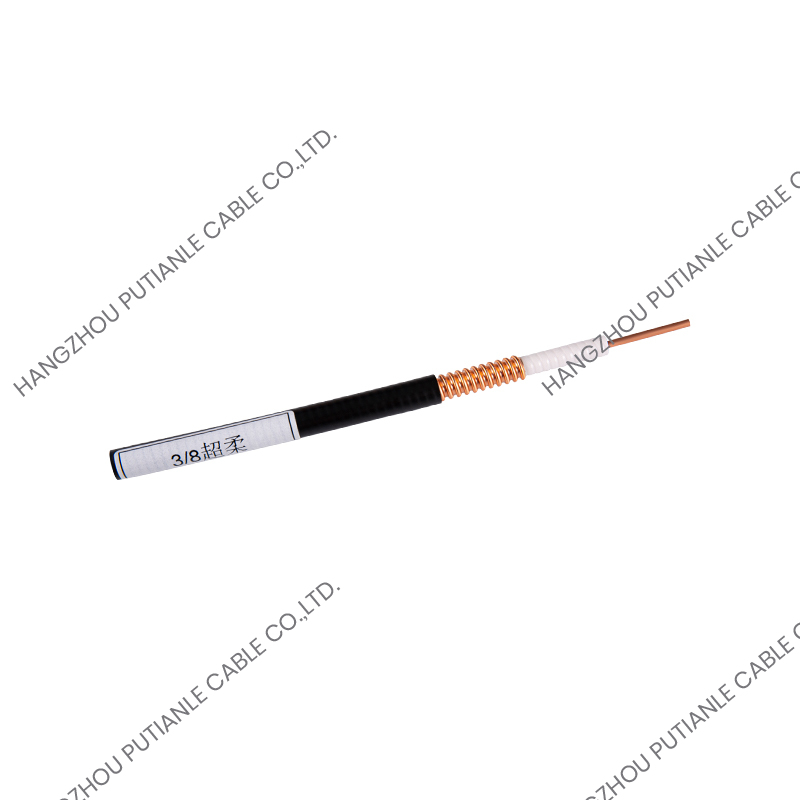
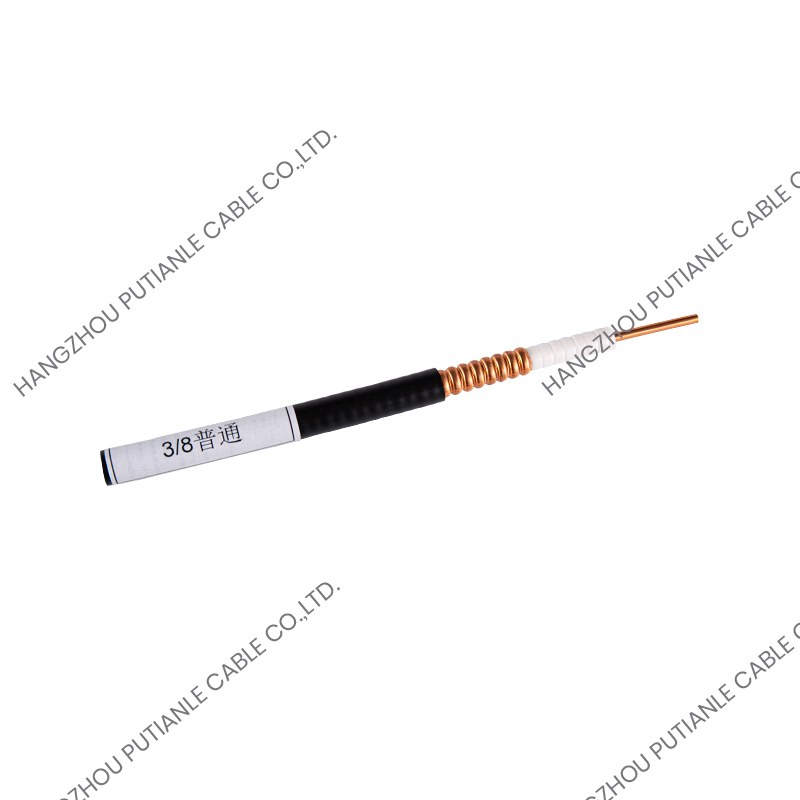
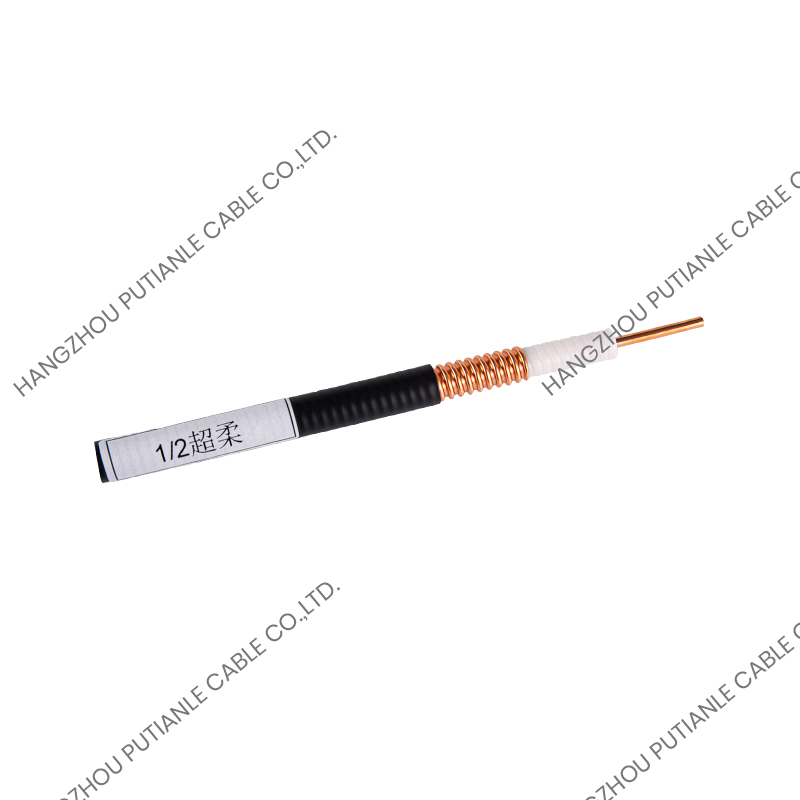
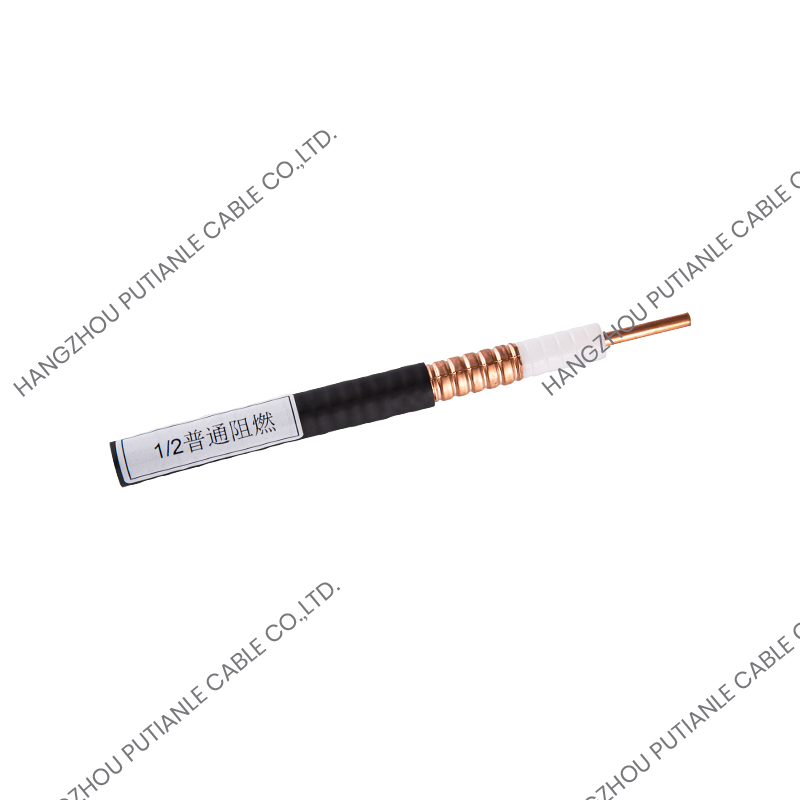
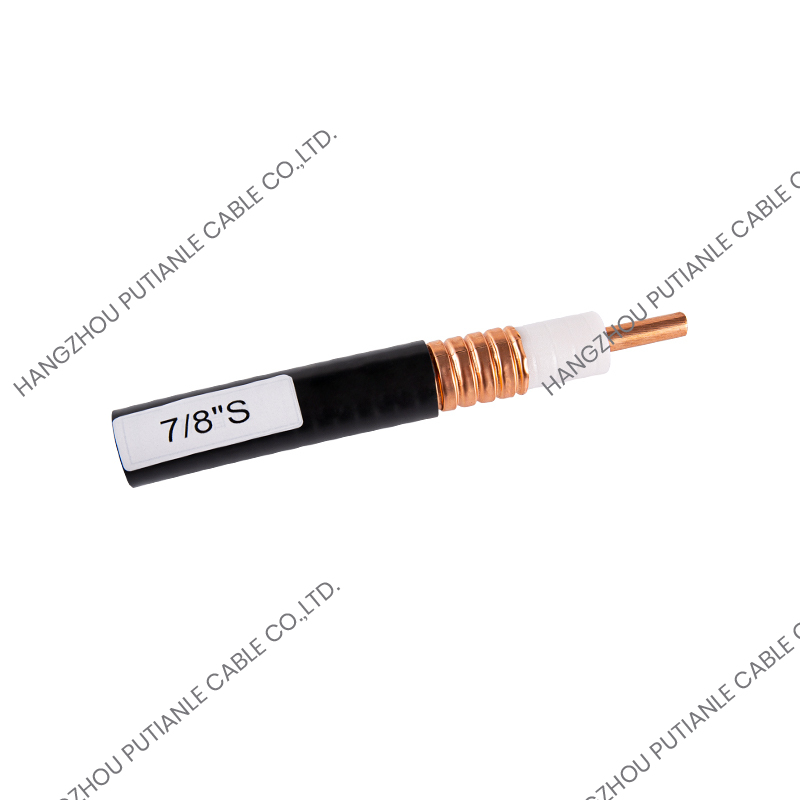
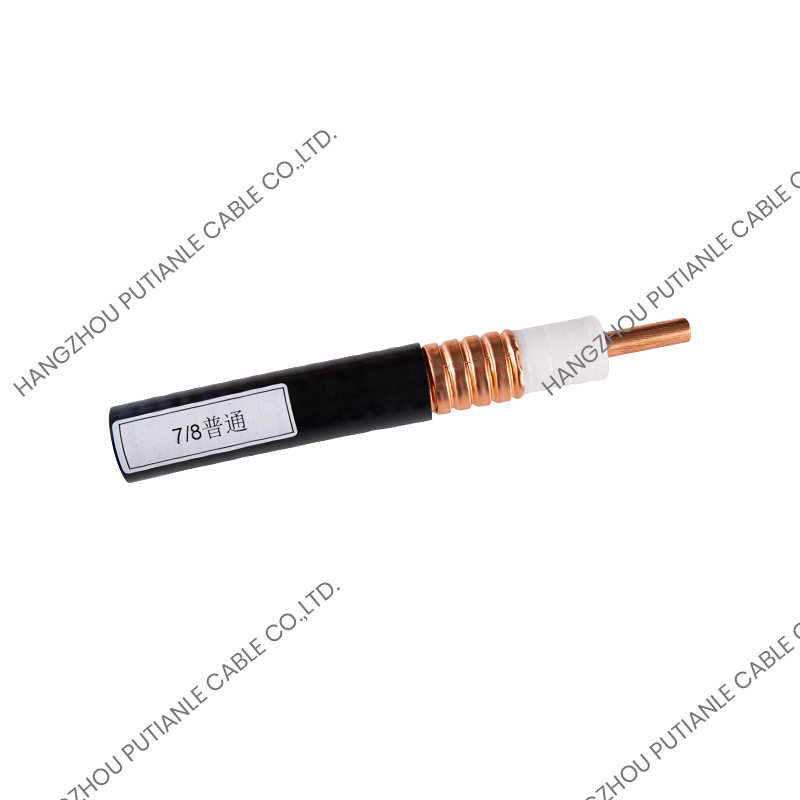
For outdoor feeders and base-station coaxial runs, a continuous corrugated aluminum or copper tube is the most effective screen available. It has no apertures, no drain wire, and no flexing joints, so attenuation and screening remain predictable over long lengths. A cable such as the QR540 aluminum tube cable is selected where the installation can accept a stiffer construction in exchange for the highest screening integrity.
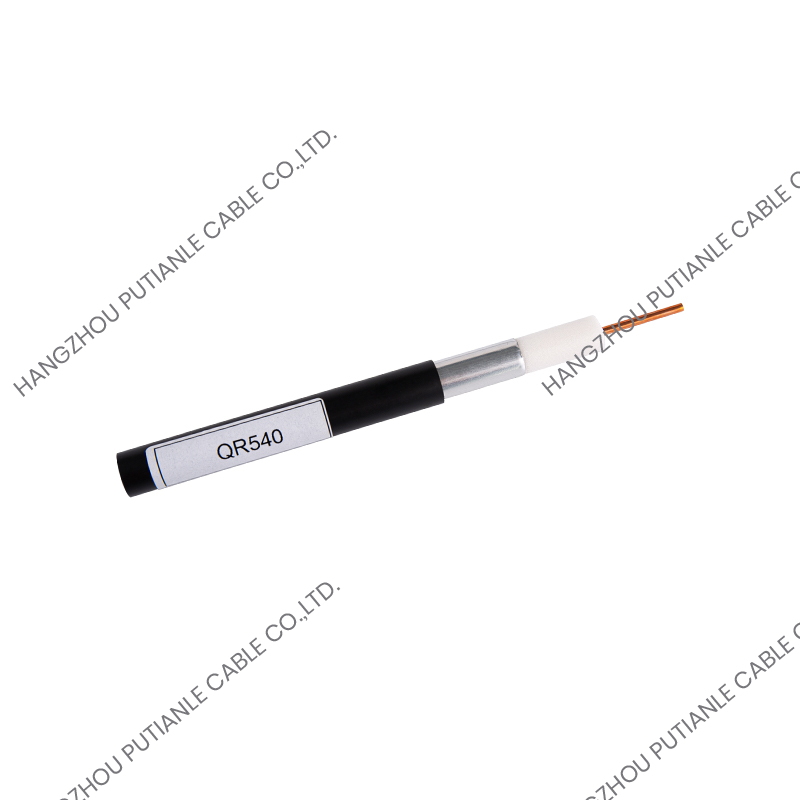 QR540 Wear Resistant 75 OHM Aluminum Tube Cable Manufacturers, Custom CompanyHangzhou Putianle Cable Co., Ltd. is China Custom QR540 Wear Resistant 75 OHM Aluminum Tube Cable Manufacturers,Company,Unveil the QR540 ...View Product →
| Screening type | Coverage | Strength | Weakness | Typical use |
|---|---|---|---|---|
| Copper braid | 85-97 percent | Flexible, easy to terminate, broad frequency range | Small apertures leak high-frequency noise | CCTV, RF patch leads, general purpose |
| Aluminum foil | 100 percent | Excellent high-frequency screening, light, thin | Cracks under repeated flex, needs drain wire | Data cables, combined shields |
| Braid plus foil | Near 100 percent | Balanced electrical and mechanical performance | More layers, slightly higher cost | RG6, satellite, high-speed data |
| Corrugated tube | 100 percent continuous | Best screening, lowest attenuation, high power handling | Stiff, limited bend radius, heavier | Base-station feeders, long outdoor runs |
Screened vs unscreened cables and the risks of skipping the screen
The short answer is that unscreened cable is acceptable only when runs are short, the environment is electrically quiet, and the receiving circuit has enough signal margin. Outside those conditions, the cheaper unscreened cable fails as soon as noise rises.
The symptoms are familiar: intermittent video sparkles, corrupted data frames, resend delays on a serial bus, false triggers on a sensor input, or radiated emissions from the cable itself failing a compliance test. Screening does not amplify a weak signal, and it cannot repair a badly matched connector. What it does is remove environmental noise from the list of variables.
A screen that is not correctly terminated is nearly useless. A floating screen, or one connected through a long pigtail, stops functioning above a few megahertz. The screen should be bonded around the full circumference of the connector, which is why connector selection is part of the screening design. N-type male RF connectors are a common example for 50 ohm screened cables because they keep the shield continuous through the mating point.
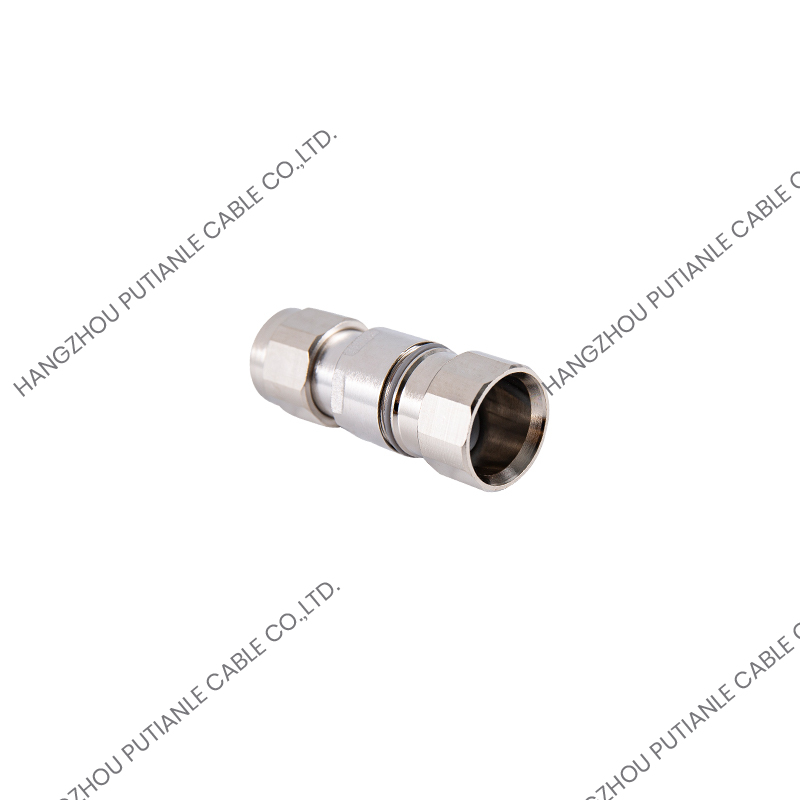 N Type Male Rf Connector Manufacturers, Custom CompanyHangzhou Putianle Cable Co., Ltd. is China Custom N Type Male Rf Connector Manufacturers,Company,Introducing the N-Type Male RF Connector...View Product →
Where screened cables are required
Screening is not a line-item option; it is a function of the application. The common cases are:
- CCTV and video distribution: 75 ohm coaxial cables with braid, foil, or both protect analog and digital video over long runs.
- RF and wireless systems: 50 ohm cables carry low-level receive signals and high-power transmit signals; the same screen that keeps noise out also keeps transmitted power inside the cable.
- Industrial automation: VFD power leads, encoder cables, and fieldbus cables run next to motors and contactors. Individual pair screens plus an overall braid are normally required.
- Data networks: shielded twisted pair prevents crosstalk and external interference in high-speed Ethernet installations.
- Medical and laboratory equipment: low-amplitude measurement signals are easily corrupted by mains and radio noise.
- Radio base stations and broadcast infrastructure: feeders between transmitter and antenna use corrugated tube screens to preserve power and signal quality.
The main categories of RF coaxial cables follow the same logic: each screen construction offers a different level of protection for the frequency range and noise environment at hand.
One deliberate exception is the leaky feeder cable used in tunnels. Its outer conductor is engineered to let a controlled amount of signal radiate along the route. It is a niche case, and the fact that it is designed to leak confirms how much screening normally matters.
How to choose the right screened cable
Assess the noise environment first
Identify the actual interference sources before choosing a screen. Low-frequency interference from power mains and motor harmonics needs a low-resistance continuous return path. High-frequency interference from radio transmitters or switching electronics targets the apertures in a braid. If both are present, a combined braid and foil screen is safer than either layer alone.
Match the screen to the frequency and signal type
Video and broadband signals in 75 ohm systems generally work well with braid, tri-shield, or quad-shield constructions. Digital signals and RF carriers in 50 ohm systems need reliable screening against self-interference and external sources; corrugated tube cables are preferred for outdoor feeders. Instrumentation and low-level analog signals benefit from individual pair screens plus an overall screen.
Weigh mechanical and installation constraints
Flexibility changes the screening choice more than datasheets reveal. Braid withstands repeated flexing. Foil cracks after enough cycles. Corrugated tube cables need a generous bend radius and careful planning around drums and pull points. Before choosing, check the minimum bend radius, pulling tension, and temperature range against the actual route.
Include termination and testing in the decision
The screen must be present at both ends and at any intermediate joint. Budget for quality connectors, proper earthing, and a continuity test after installation. A cable with an excellent screen and a cheap connector underperforms a modest cable with a well-terminated screen.
Buying considerations for screening performance
When comparing quotations, screening performance cannot be judged from the cable name alone. Ask for construction details and test data:
- Braid coverage and wire diameter, or foil thickness and type.
- Attenuation and screening attenuation across the frequency range you use.
- Transfer impedance, return loss, and impedance stability.
- Certifications covering materials, flame performance, and electrical tests.
A manufacturing quality control process is as important as the original sample. A factory that tests attenuation and screening during production will deliver far fewer installation surprises than one that only inspects the jacket. Insist on measurements made with recognized methods, such as those in the IEC 61196 series for coaxial communication cables.
Screening is a specification, not an afterthought
Cable screening decides whether an installation keeps working when a motor starts, a radio keys up, or a lightning surge flows nearby. The selection process is concrete: identify the noise sources, choose a screen construction that covers the frequency range, check mechanical constraints, and terminate the screen properly at every connector. Braid for flexibility, a combined screen for balanced performance, and a corrugated tube for demanding feeders are the three practical answers, and every supplier should be able to show the test data behind its choice.