中文简体
中文简体 English
 Español
Content
- 1 Understanding the Role of 50 Ohm Braiding Cable in Modern Wiring Systems
- 2 Core Structure of a Braided 50 Ohm Cable
- 3 Why Braid Density and Coverage Matter
- 4 Common Applications of 50 Ohm Braiding Cable
- 5 Comparing Braided Shield to Other Shielding Methods
- 6 Key Factors When Selecting a 50 Ohm Braided Cable
- 7 Maintenance and Handling Recommendations
- 8 Final Thoughts on Choosing the Right Cable
Understanding the Role of 50 Ohm Braiding Cable in Modern Wiring Systems
50 Ohm braiding cable refers to coaxial cable engineered with a characteristic impedance of 50 ohms, combined with a woven metallic braid that serves as the outer conductor and shield. This construction is widely used across radio frequency (RF) communication, test equipment, telecommunications infrastructure, and industrial electronics. The braided shield distinguishes this cable type from foil-only or solid-shield alternatives, offering a balance of flexibility, durability, and reliable signal protection.
The 50 ohm impedance value is not arbitrary. It represents an engineering compromise that minimizes signal loss while allowing the cable to handle moderate power levels without overheating or breaking down. This is why 50 ohm cable has become the de facto standard for applications ranging from two-way radios to laboratory instrumentation, as opposed to 75 ohm cable, which is optimized primarily for video and broadcast signal transmission.
Core Structure of a Braided 50 Ohm Cable
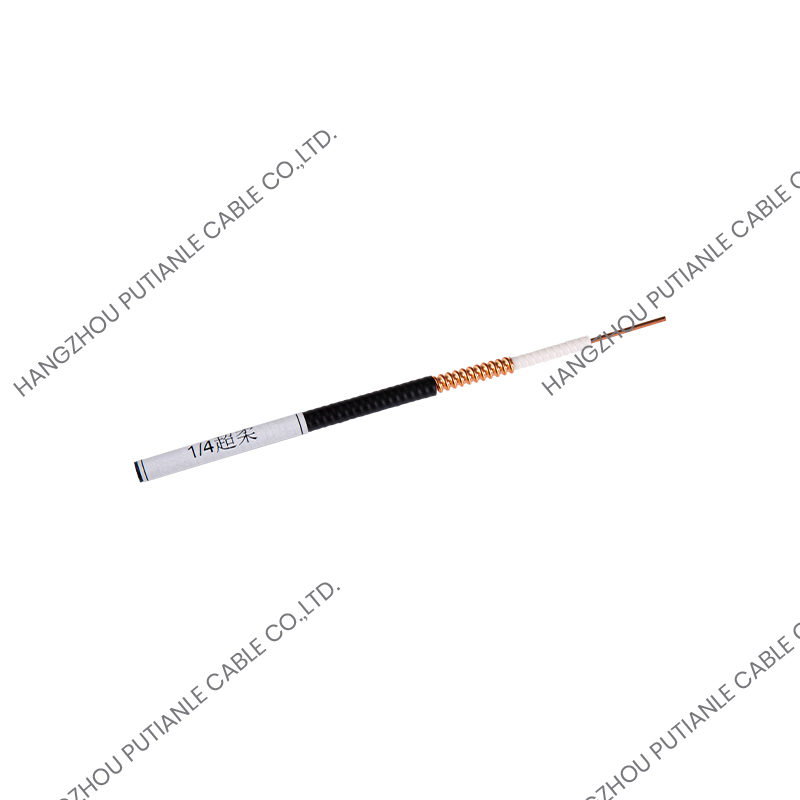
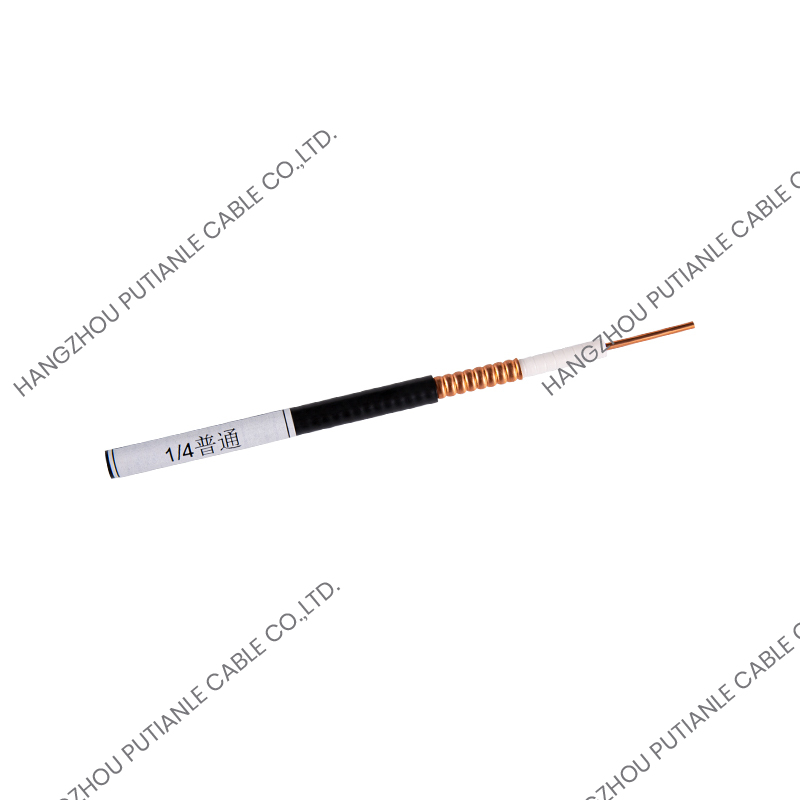
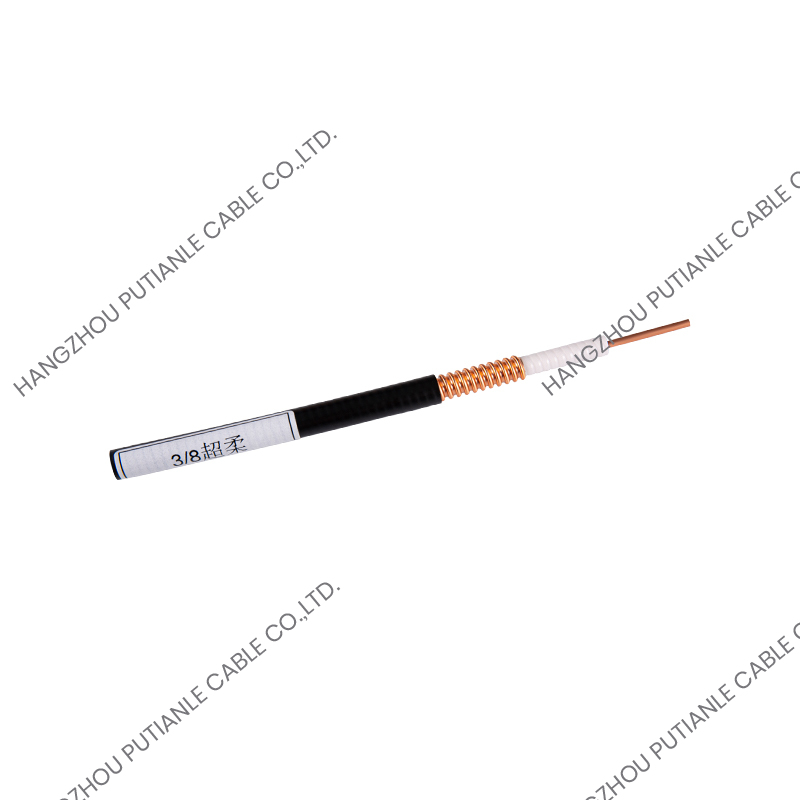
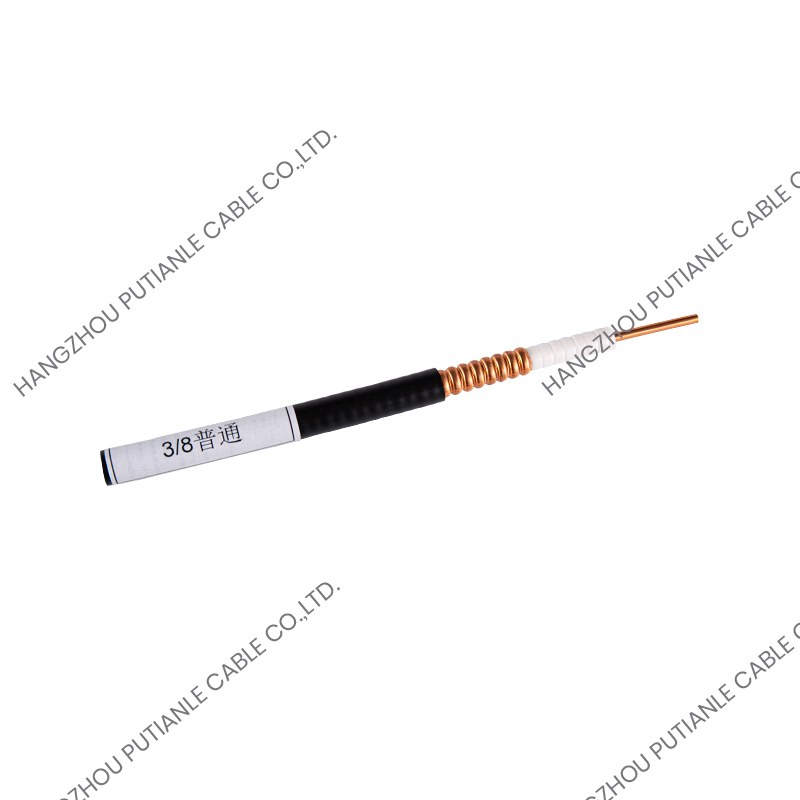
A typical 50 ohm braiding cable consists of four primary layers, each contributing to its electrical and mechanical performance. Understanding these layers helps clarify why braided designs are chosen over simpler shielding methods in demanding environments.
Center Conductor
The innermost layer is a single solid copper wire or a stranded copper bundle. Stranded conductors are more flexible and resist fatigue from repeated bending, making them suitable for cables that will be flexed or coiled frequently, such as those used in mobile test setups or portable radio equipment.
Dielectric Insulation
Surrounding the center conductor is a dielectric layer, commonly made from polyethylene or foamed polyethylene. This insulating material maintains consistent spacing between the center conductor and the outer shield, which is essential for preserving the 50 ohm impedance along the entire length of the cable.
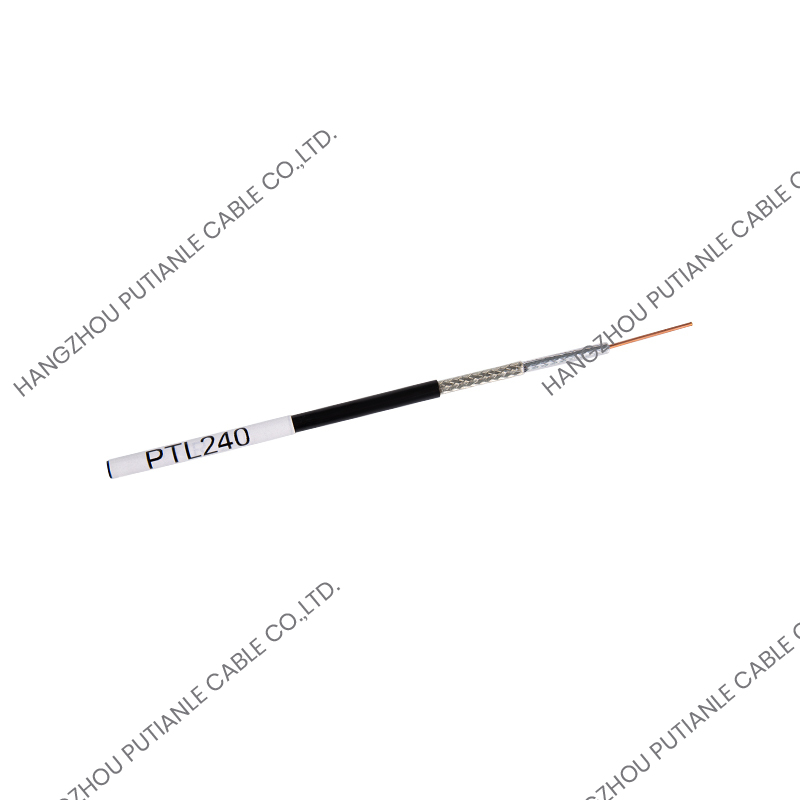
Braided Shield
The braid itself is formed by weaving fine strands of tinned copper, bare copper, or copper-clad steel into a tubular mesh around the dielectric. This woven pattern allows the cable to bend and twist without cracking, unlike a solid metal shield. The braid also serves as the return path for the signal and blocks external electromagnetic interference from reaching the center conductor.
Outer Jacket
The final layer is a protective jacket, typically made from PVC, polyethylene, or more specialized materials like FEP or LSZH (low smoke zero halogen) compounds for applications requiring fire resistance or chemical durability.
Why Braid Density and Coverage Matter
Not all braided shields perform equally. Braid coverage, expressed as a percentage, indicates how much of the cable surface is physically covered by the woven strands. Higher coverage generally translates to better shielding effectiveness, though it can also reduce flexibility and increase cost.
| Braid Coverage | Typical Use Case | Shielding Effectiveness |
| 60-70% | General purpose wiring | Moderate |
| 85-95% | RF and instrumentation cabling | High |
| 95-98%+ | Military and aerospace systems | Very High |
In applications where interference from nearby motors, power lines, or wireless transmitters is a concern, choosing a cable with higher braid coverage, or a design that combines braid with an inner foil layer, can significantly improve signal integrity.
Common Applications of 50 Ohm Braiding Cable
Because of its balance between flexibility, power handling, and impedance matching, 50 ohm braided cable appears in a wide range of industries and technical setups.
- Two-way radio and amateur radio antenna connections
- Laboratory and RF test equipment interconnects
- Wi-Fi and cellular antenna feed lines
- Military communication systems
- Industrial control and instrumentation wiring
- GPS and satellite communication feeds
Each of these applications benefits from the cable's ability to maintain consistent signal quality even in electrically noisy environments, which is a direct result of the braided shield's construction.
Comparing Braided Shield to Other Shielding Methods
While braiding is a popular shielding method, it is not the only option available for 50 ohm coaxial cable. Manufacturers also offer foil shielding, combination foil-and-braid designs, and solid tubular shields, each with distinct trade-offs.
Foil-only shields provide 100% coverage but are rigid and prone to tearing when the cable is flexed repeatedly. Braided shields, by contrast, sacrifice a small amount of coverage for significantly improved flex life, making them better suited to cables that will be routed through moving parts or handled frequently. Combination designs, which layer foil beneath a braid, aim to capture the benefits of both approaches, offering near-complete coverage along with mechanical resilience.
Key Factors When Selecting a 50 Ohm Braided Cable
Choosing the right cable for a given project involves more than simply confirming the impedance value. Several additional specifications influence real-world performance and longevity.
Frequency Range and Attenuation
Every cable has an attenuation curve that describes signal loss per unit length at different frequencies. For high-frequency applications, such as microwave or satellite communication, selecting a cable with low loss at the intended operating frequency is critical to maintaining signal strength over longer runs.
Flex Life and Bend Radius
Applications involving frequent movement, such as portable test setups or robotic systems, require cables with a tighter minimum bend radius and higher flex-cycle ratings. Braided shields with finer strand counts generally offer better flexibility than those with thicker, fewer strands.
Environmental Resistance
Outdoor or industrial installations may require jackets rated for UV resistance, moisture ingress protection, or extended temperature ranges. Selecting the appropriate jacket material prevents premature degradation and maintains consistent electrical performance over the cable's service life.
Maintenance and Handling Recommendations
Proper handling extends the operational life of braided coaxial cable considerably. Avoiding sharp bends below the manufacturer's specified minimum radius prevents damage to both the dielectric and the braid. When terminating connectors, ensuring the braid is evenly trimmed and properly grounded to the connector body preserves shielding continuity and prevents impedance mismatches at the termination point.
Routine inspection for jacket cracking, discoloration, or braid corrosion is particularly important in outdoor or industrial settings, where environmental exposure can gradually degrade shielding performance even if the cable appears intact on the surface.
Final Thoughts on Choosing the Right Cable
50 ohm braiding cable remains a foundational component in RF and data transmission systems because it offers a practical combination of flexibility, shielding performance, and impedance consistency. By understanding the construction details, comparing shielding options, and matching specifications to the intended application, engineers and technicians can select a cable that delivers reliable performance across the system's expected lifespan.