中文简体
中文简体 English
 Español
Content
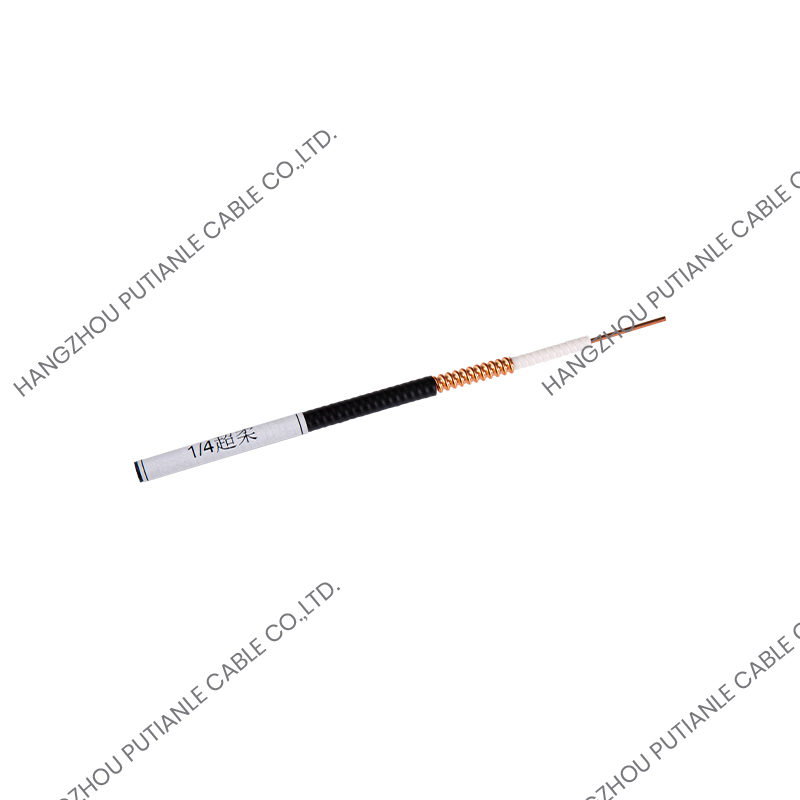
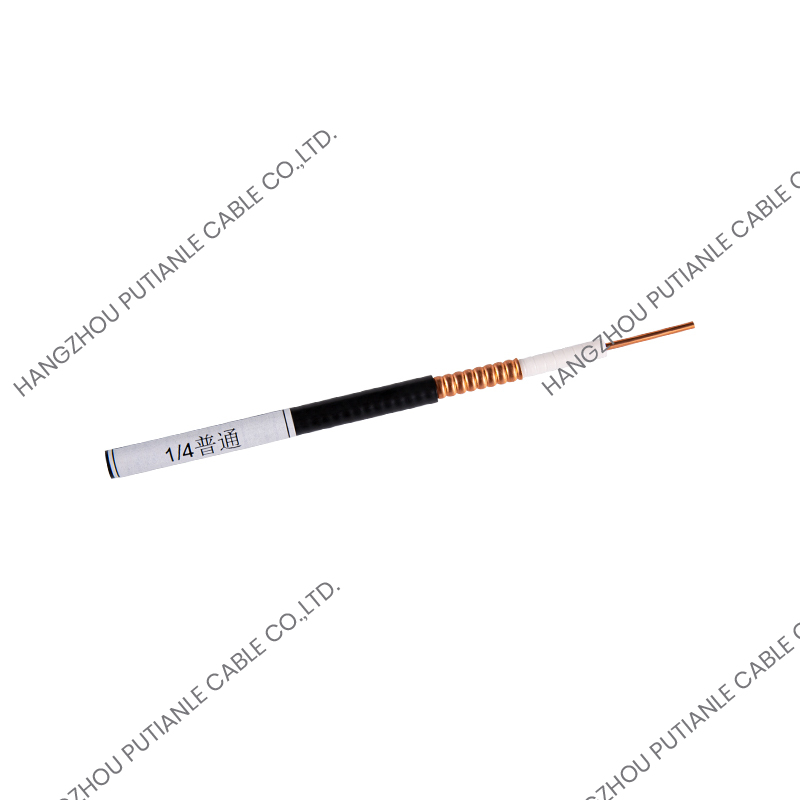
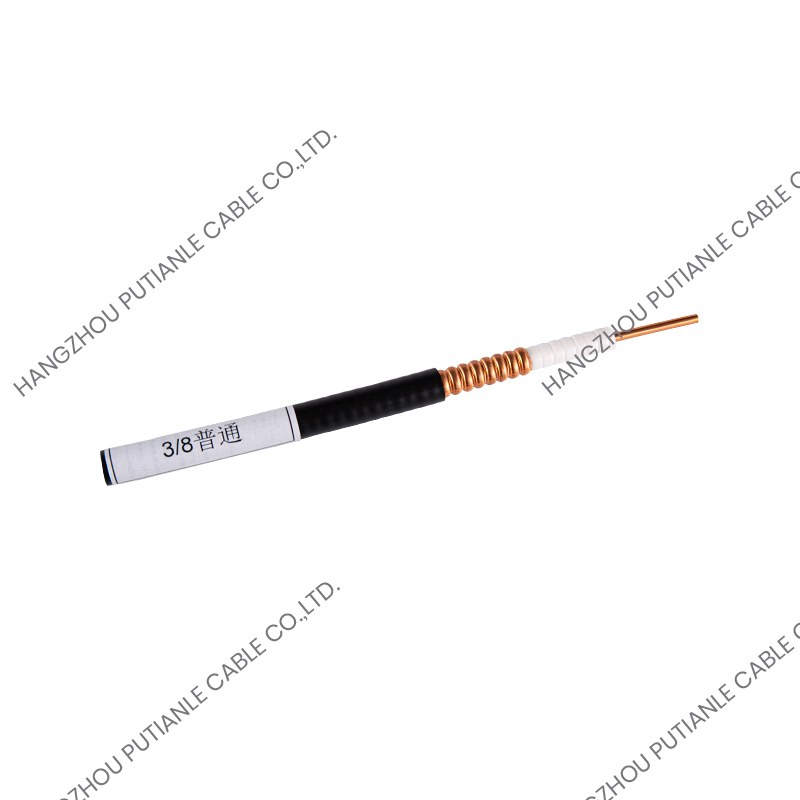
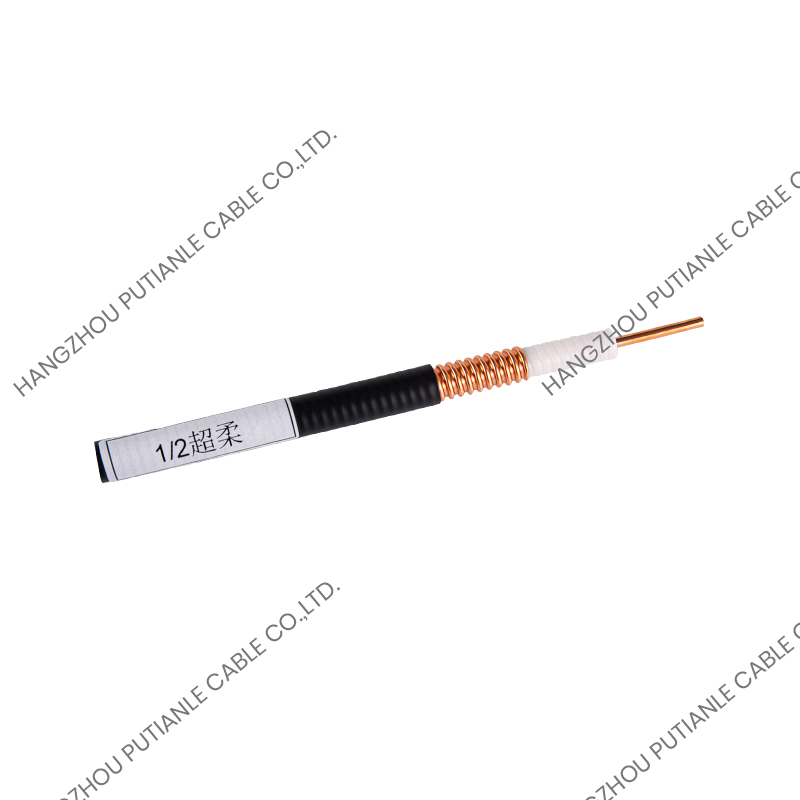
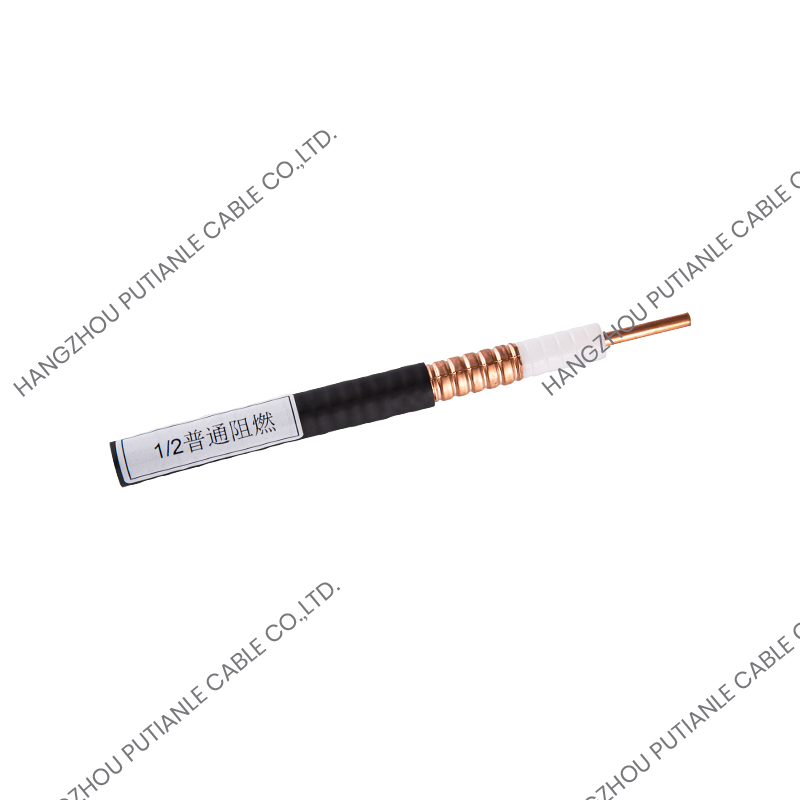
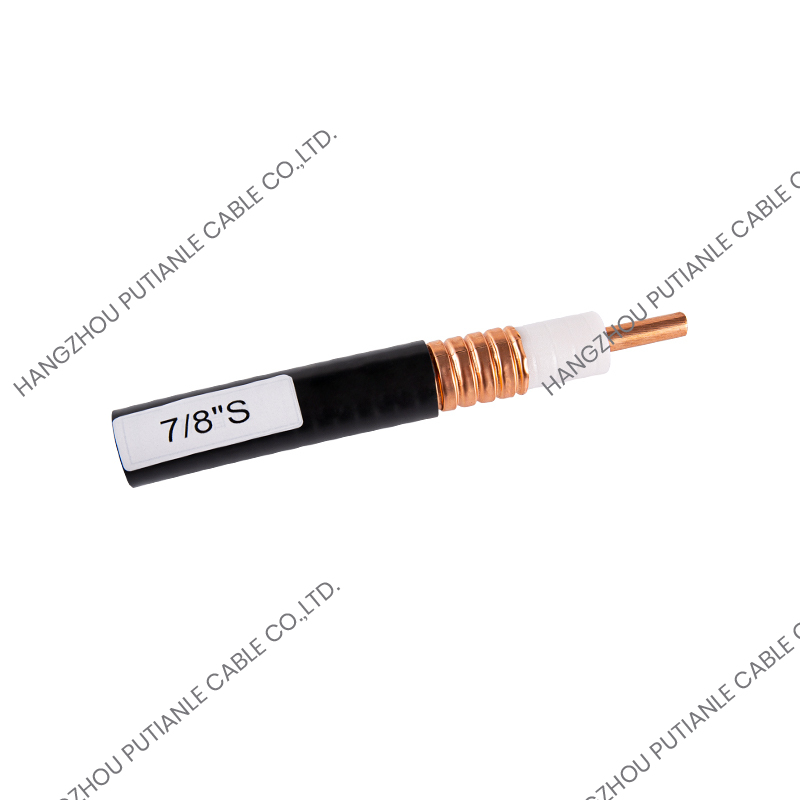
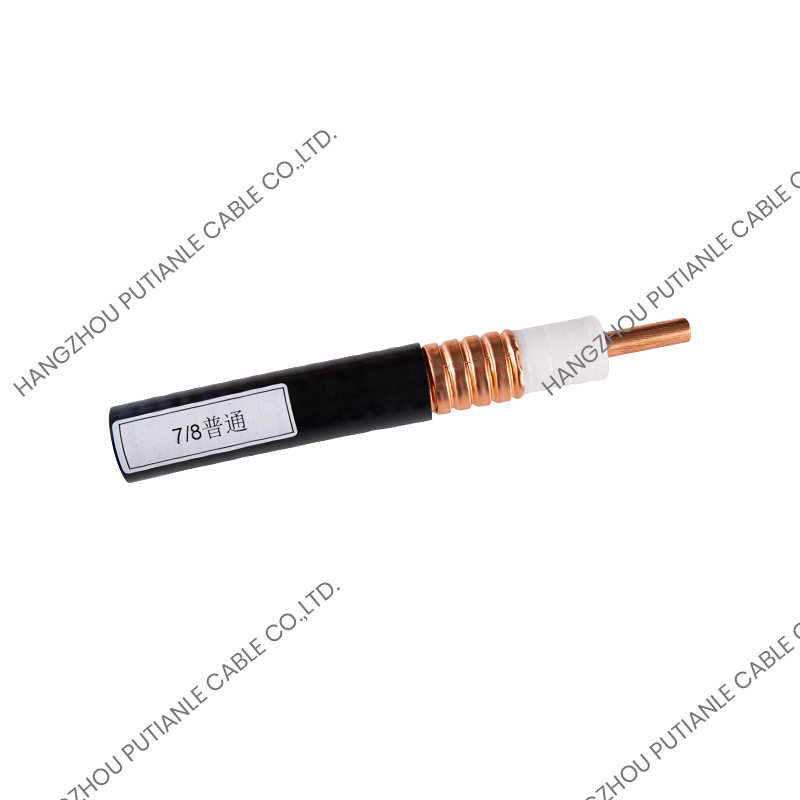
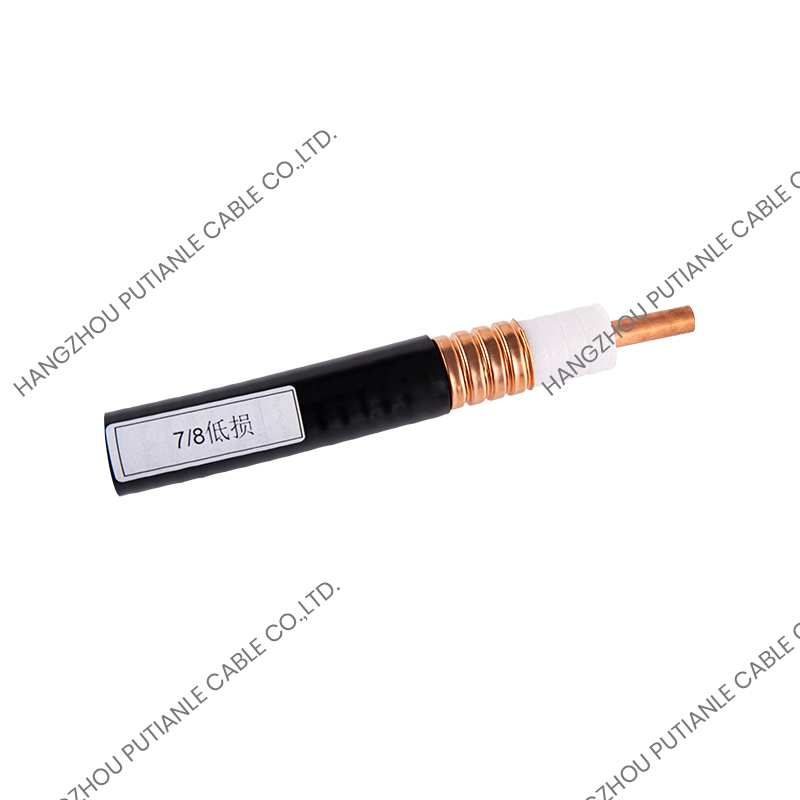
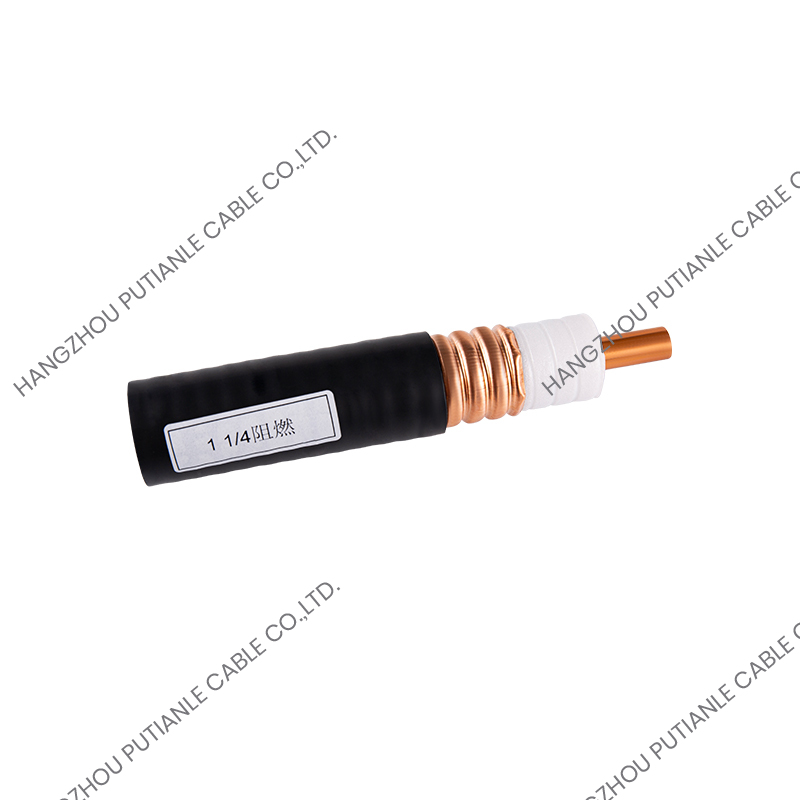
A corrugated copper tube coaxial cable is a type of RF transmission line designed for high-frequency signals. It features an inner conductor, a dielectric insulator, and an outer conductor formed by a corrugated copper tube. The corrugation provides mechanical flexibility while maintaining excellent electrical performance. This design is commonly used in demanding environments where strong signal integrity and durability are required.
Key Components and Structure
The main structure of a corrugated copper tube coaxial cable includes several essential components. Each part is engineered to achieve a balance between electrical performance and mechanical strength. The typical structure includes:
Inner Conductor
The inner conductor is usually made of solid copper or copper-clad steel. It must provide low resistance to minimize signal loss. For high-power applications, the conductor is often silver-plated to improve conductivity and reduce skin effect losses.
Dielectric Insulator
The dielectric material separates the inner conductor from the outer conductor. Common materials include PTFE, PE, or foam polyethylene. A high-quality dielectric ensures stable impedance, low loss, and high dielectric strength, which is essential for RF transmission.
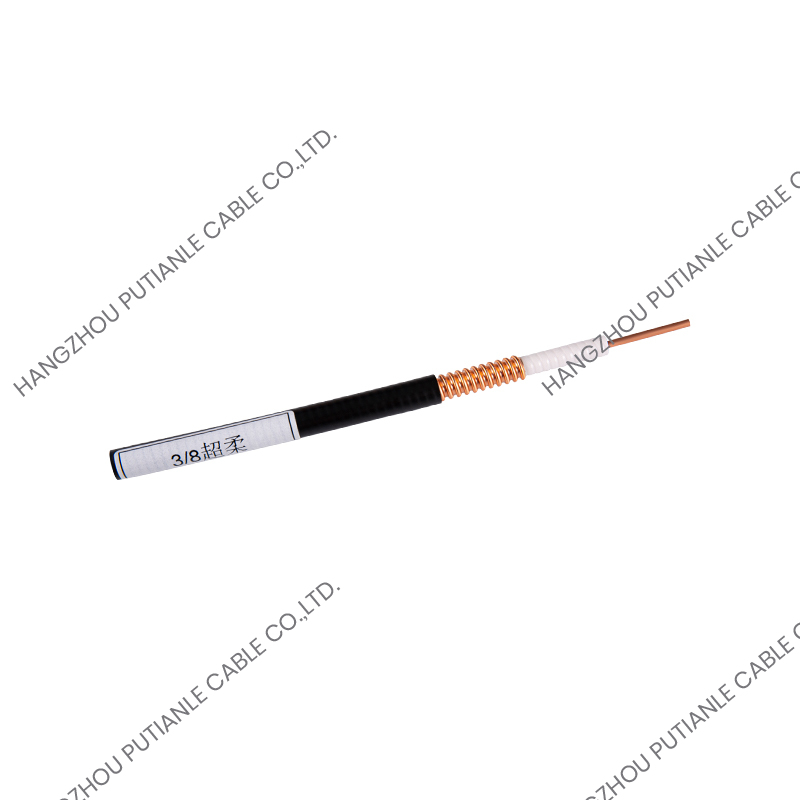
Corrugated Outer Conductor
The outer conductor is made from a corrugated copper tube, which provides flexibility without compromising shielding effectiveness. Corrugations reduce the cable’s bending radius, making it easier to install in tight spaces. It also increases mechanical strength and protects against external interference.
Outer Jacket
An outer jacket protects the cable from environmental factors such as UV radiation, moisture, and abrasion. Materials like polyethylene or flame-retardant PVC are commonly used. In some cases, additional armor or shielding layers may be added for extra protection.
Advantages of Corrugated Copper Tube Coaxial Cables
Compared to standard coaxial cables, corrugated copper tube coaxial cables offer several key advantages, especially in industrial and RF-critical applications. These benefits include:
- High shielding effectiveness against electromagnetic interference (EMI)
- Excellent mechanical strength and durability
- Flexible bending with reduced risk of deformation
- Low insertion loss in high-frequency transmission
- Good performance in harsh environments (temperature, moisture, vibration)
Typical Applications
Corrugated copper tube coaxial cables are widely used in industries that require reliable RF transmission. They are particularly common in telecommunications, broadcasting, and radar systems. Below are typical applications where their features are essential.
Telecommunications and Base Stations
In cellular base stations, these cables connect antennas to transmitters and receivers. Their low loss and high shielding are crucial for maintaining signal quality over long distances and reducing interference between channels.
Broadcasting Systems
Broadcast transmitters require stable RF transmission with minimal signal distortion. Corrugated cables provide the necessary shielding and mechanical strength to support outdoor installations and rooftop equipment.
Radar and Military Equipment
Radar systems operate at high frequencies and often in harsh environments. Corrugated copper tube coaxial cables offer the durability and performance needed for defense, aerospace, and navigation systems.
Industrial and Test Systems
In industrial RF testing and measurement, these cables are preferred for their stable impedance and consistent performance. They are also used in automation systems where vibration resistance is required.
How to Choose the Right Cable
Choosing the correct corrugated copper tube coaxial cable depends on the application requirements, frequency range, and environmental conditions. Key selection factors include:
- Frequency range and insertion loss
- Impedance stability (usually 50Ω or 75Ω)
- Bending radius and flexibility requirements
- Operating temperature and weather resistance
- Connector compatibility and assembly method
Frequency and Loss Considerations
Higher frequency signals experience more attenuation. Therefore, selecting a cable with low insertion loss is critical for long-distance or high-power RF transmission. The dielectric type and conductor material both affect signal loss, so choose a cable optimized for the intended frequency band.
Mechanical Requirements
The corrugated structure provides flexibility but also sets a minimum bending radius. When installing in confined spaces, ensure the cable can bend without kinking. Additionally, consider the outer jacket material if the cable will be exposed to UV, chemicals, or physical abrasion.
Common Types and Specifications
Manufacturers typically offer several standard sizes and types of corrugated copper tube coaxial cables. These vary in outer diameter, impedance, and power handling capacity. Below is a comparison table of common types used in RF applications.
| Type | Outer Diameter | Impedance | Frequency Range | Typical Use |
| Type A | 10mm | 50Ω | DC–6GHz | Telecom, Antenna |
| Type B | 16mm | 50Ω | DC–4GHz | Broadcast, Radar |
| Type C | 24mm | 75Ω | DC–3GHz | Industrial RF |
Installation and Maintenance Tips
Proper installation and maintenance are essential to ensure long-term performance. Poor bending, improper connectors, or exposure to harsh conditions can cause signal loss, interference, or mechanical failure. Follow these guidelines to maximize cable life.
Correct Bending Practices
Always follow the minimum bending radius specified by the manufacturer. Avoid sharp bends, twisting, or compressing the cable. Use proper cable clamps and supports to prevent sagging and stress on connectors.
Connector and Joint Quality
Connectors must match the cable type and impedance. Use professional-grade connectors and ensure tight, clean joints to prevent signal leakage. For high-power systems, use torque wrenches to secure connections to the recommended torque value.
Regular Inspection
Inspect cables periodically for physical damage, corrosion, or jacket degradation. Check connectors for looseness and replace any damaged sections immediately. For outdoor installations, ensure UV protection and waterproof sealing.
Conclusion
Corrugated copper tube coaxial cables provide a reliable solution for high-frequency RF transmission where durability and signal integrity are critical. With their superior shielding, flexibility, and environmental resistance, they are widely used in telecommunications, broadcasting, radar, and industrial systems. Selecting the right type requires careful consideration of frequency, impedance, mechanical needs, and installation environment. When properly installed and maintained, these cables offer long-term performance and stability in demanding applications.