中文简体
中文简体 English
 Español
Content
- 1 Material Properties and Construction
- 2 Signal Transmission Performance
- 3 Cost and Economic Benefits
- 4 Weight and Handling Advantages
- 5 Durability and Environmental Considerations
- 6 Installation Efficiency and Labor Savings
- 7 Comparison Table: Aluminum vs Copper 75 Ohm Cables
- 8 Practical Applications of Aluminum Tube Cables
- 9 Conclusion
75 Ohm aluminum tube cables are widely used in television, satellite, and broadband applications for signal transmission. Designed with an aluminum conductor surrounded by dielectric insulation and shielding, these cables offer a lightweight, cost-effective alternative to traditional copper cables. While copper has long been the standard for high-quality signal transmission, aluminum cables provide competitive performance for many applications, making them increasingly popular in residential and commercial installations.
This article explores the advantages of 75 Ohm aluminum tube cables compared to copper cables, focusing on signal quality, installation efficiency, cost, durability, and practical use in modern communication systems.
Material Properties and Construction
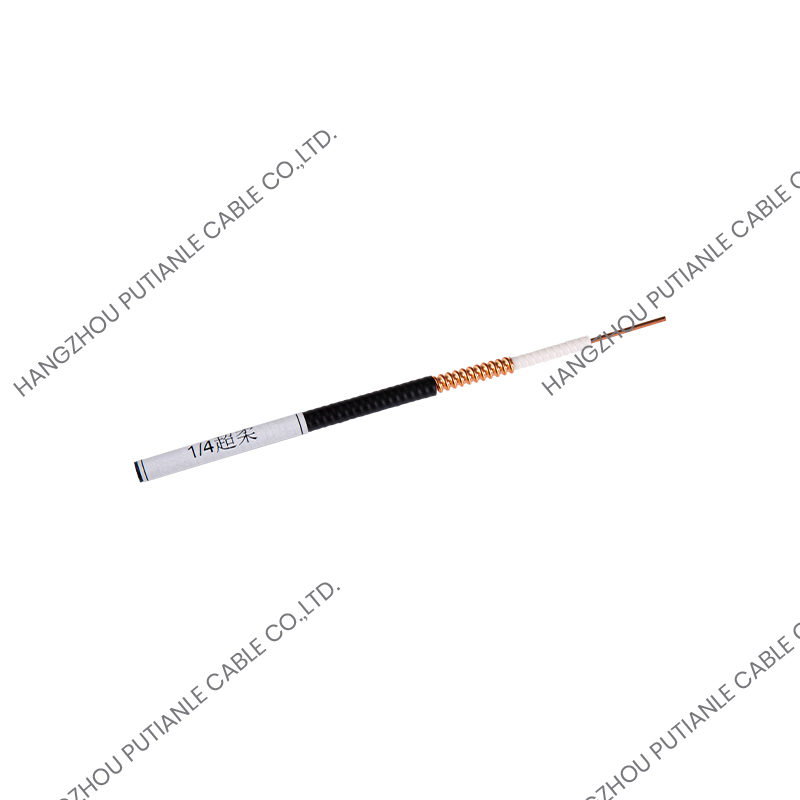
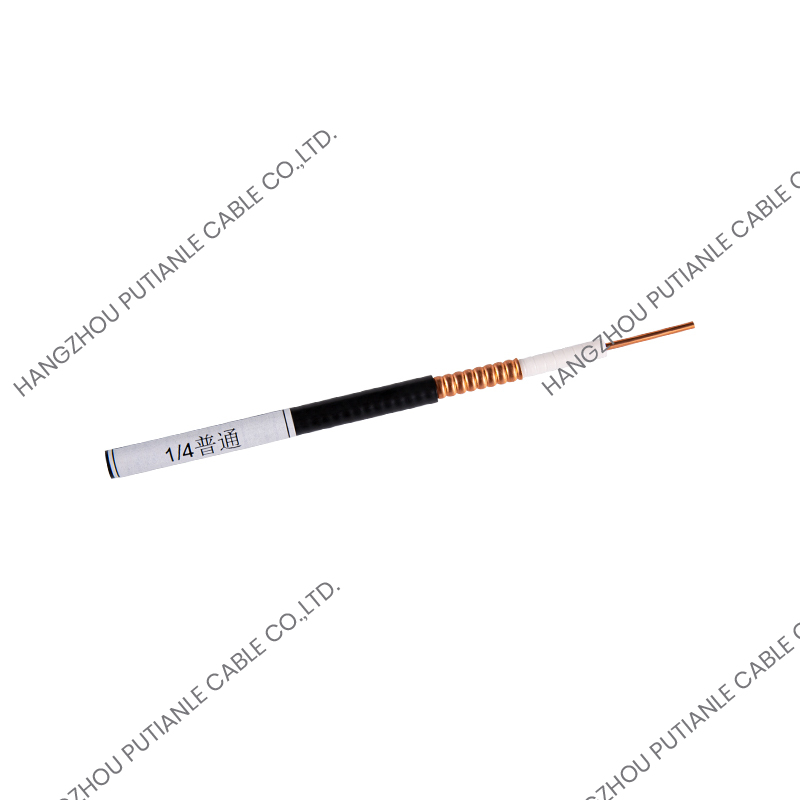
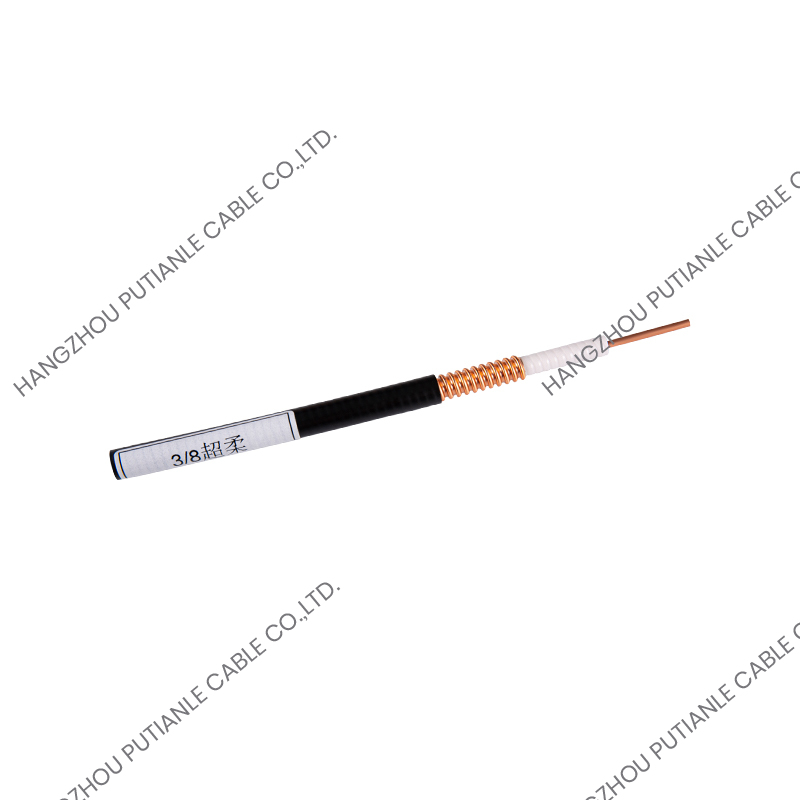
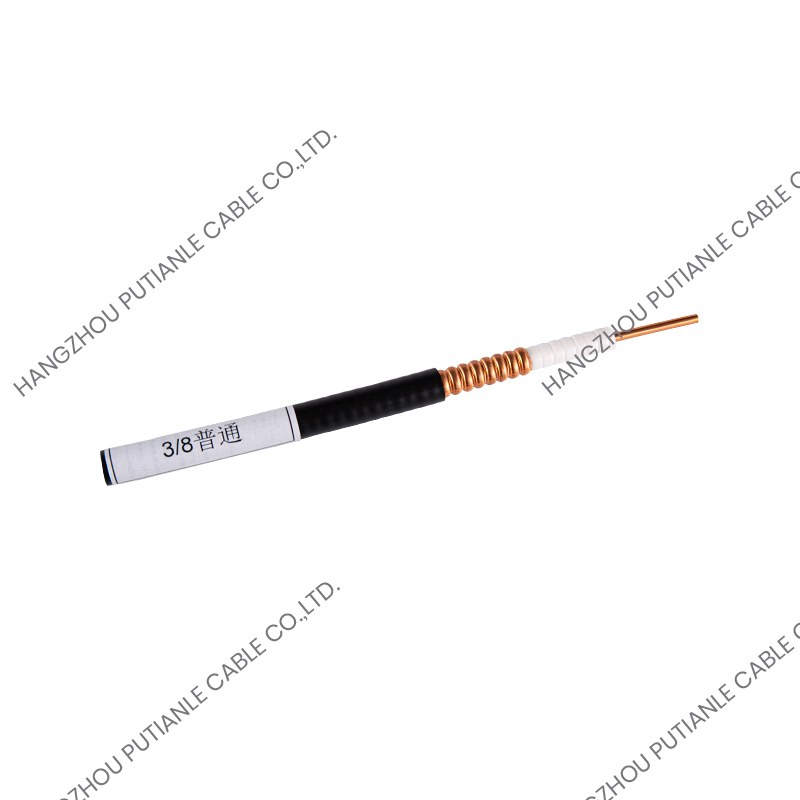
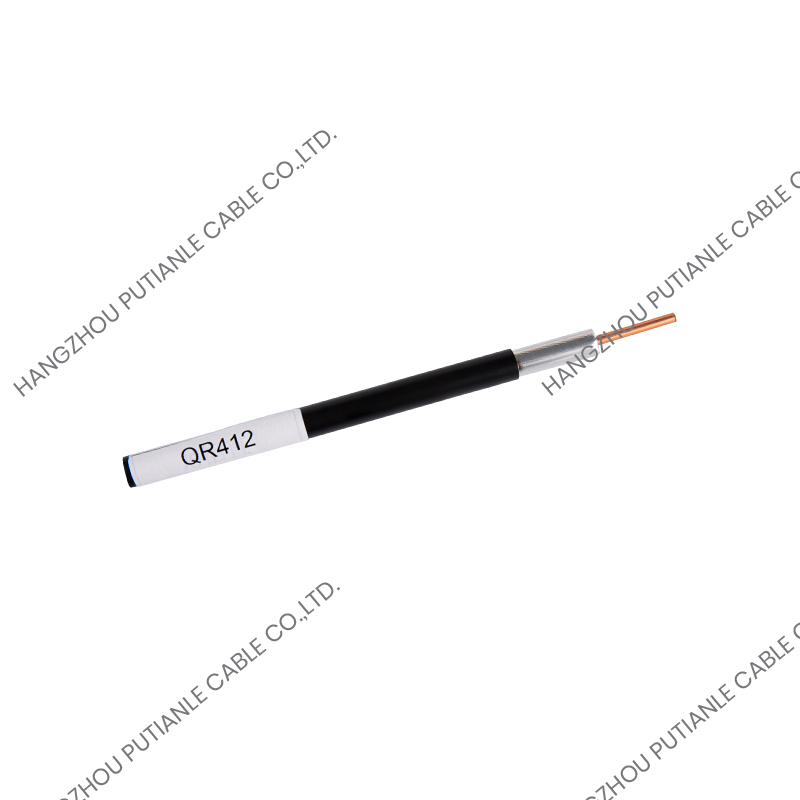
Aluminum tube cables use a high-purity aluminum conductor, which is often silver-plated or coated to enhance conductivity and reduce corrosion. The cable features a dielectric layer that maintains the 75 Ohm impedance standard, a metallic shield to prevent electromagnetic interference, and an outer protective jacket for durability.
Copper cables, by contrast, use copper conductors, which have higher intrinsic conductivity. However, copper is heavier, more expensive, and prone to theft in some regions. Aluminum cables offer a lighter weight and easier handling without significantly compromising signal performance, particularly over shorter distances.
Signal Transmission Performance
One of the most critical considerations when choosing a cable is signal quality. 75 Ohm aluminum tube cables maintain the industry-standard impedance, ensuring minimal signal reflection and loss. The aluminum conductor is sufficient for transmitting TV and satellite signals over typical residential or commercial distances.
For long-distance or highly sensitive applications, copper cables may offer slightly lower attenuation due to higher conductivity. However, with proper shielding and design, aluminum tube cables can achieve signal quality nearly equivalent to copper, especially for installations under 100 meters.
Cost and Economic Benefits
One of the main advantages of aluminum over copper is cost. Aluminum is significantly less expensive per meter than copper, reducing material costs for large-scale installations. Additionally, the lighter weight reduces shipping and handling expenses.
Copper prices are volatile and often much higher, particularly during periods of high demand. Using aluminum tube cables allows installers and network providers to maintain high-quality performance at a fraction of the cost, making it ideal for budget-conscious projects.
Weight and Handling Advantages
Aluminum cables are approximately one-third the weight of copper cables. This makes installation easier, especially in overhead, vertical, or long-run scenarios. Lighter cables reduce strain on supports, minimize risk during installation, and allow faster deployment for installers.
The flexibility of aluminum tube cables also facilitates bending and routing in tight spaces, which can be more challenging with stiffer copper cables. This feature is particularly advantageous in residential and commercial renovations or retrofitting projects.
Durability and Environmental Considerations
Aluminum is highly resistant to corrosion, especially when coated or alloyed for protection. 75 Ohm aluminum tube cables are suitable for indoor and outdoor installations where exposure to moisture or environmental factors may occur. The lighter weight also reduces mechanical stress on cable supports, contributing to longer service life.
While copper is also durable, it is prone to theft due to its high scrap value, and its heavier weight can increase the risk of sagging or support strain in long runs. Aluminum cables are a practical alternative in areas where security or weight constraints are a concern.
Installation Efficiency and Labor Savings
Due to their lower weight and flexibility, 75 Ohm aluminum tube cables are easier to handle during installation. They require less manpower for pulling, positioning, and fastening, leading to reduced labor costs and shorter installation times. Installers often prefer aluminum cables for long or complex runs because of these advantages.
Additionally, aluminum’s thermal expansion properties are predictable and manageable, ensuring that proper connectors and termination techniques maintain consistent performance over time without frequent adjustments.
Comparison Table: Aluminum vs Copper 75 Ohm Cables
| Feature | Aluminum Tube Cable | Copper Cable |
| Material Cost | Lower | Higher |
| Weight | Lightweight | Heavier |
| Conductivity | Moderate | High |
| Installation Ease | Easy | Moderate |
| Signal Quality | Good (short-medium runs) | Excellent |
| Corrosion Resistance | Good | Moderate |
| Durability | High | High |
Practical Applications of Aluminum Tube Cables
75 Ohm aluminum tube cables are commonly used in a variety of settings, including:
- Residential TV and satellite installations
- Cable broadband and internet connections
- Commercial and office AV systems
- Short-to-medium distance signal distribution networks
Conclusion
75 Ohm aluminum tube cables offer a cost-effective, lightweight, and durable alternative to copper cables for many signal transmission applications. While copper provides slightly higher conductivity and performance for very long runs, aluminum excels in installation ease, affordability, and environmental adaptability. By understanding the advantages and limitations of aluminum cables, installers and engineers can make informed decisions for residential, commercial, and industrial projects, achieving reliable signal performance with optimized cost-efficiency.