中文简体
中文简体 English
 Español
Content
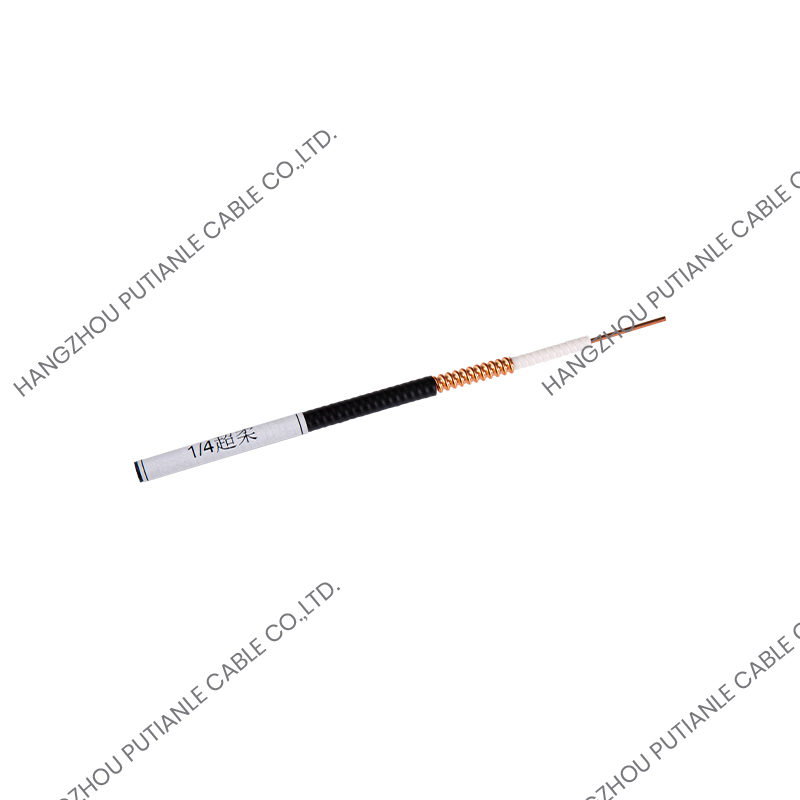
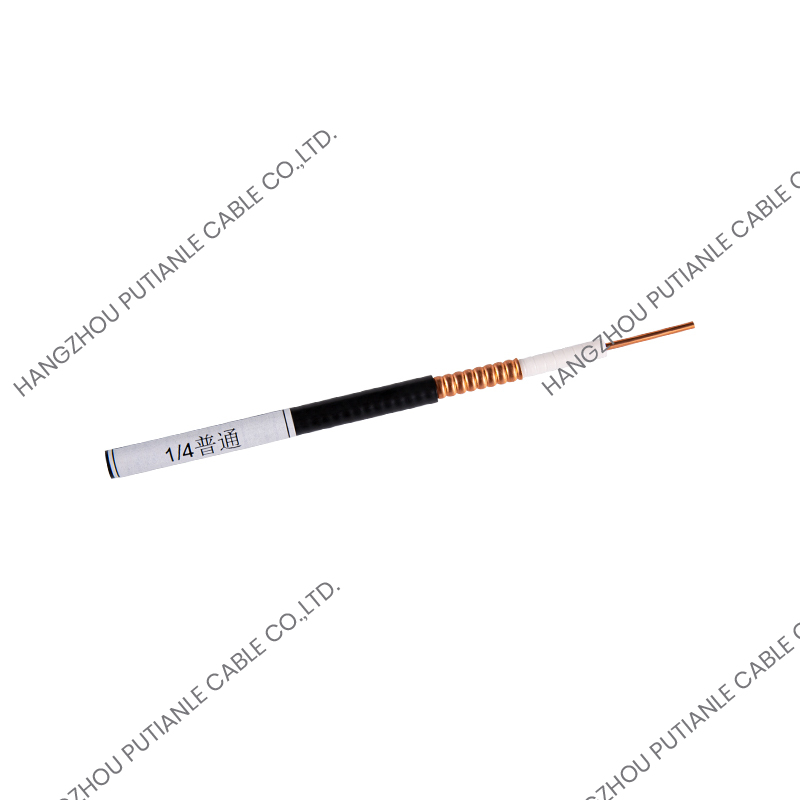
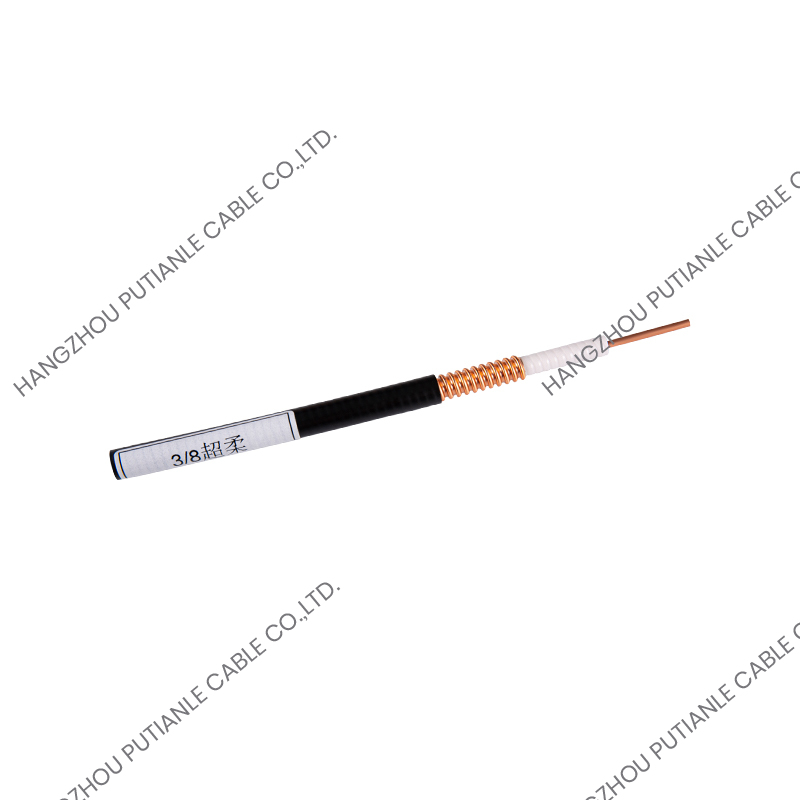
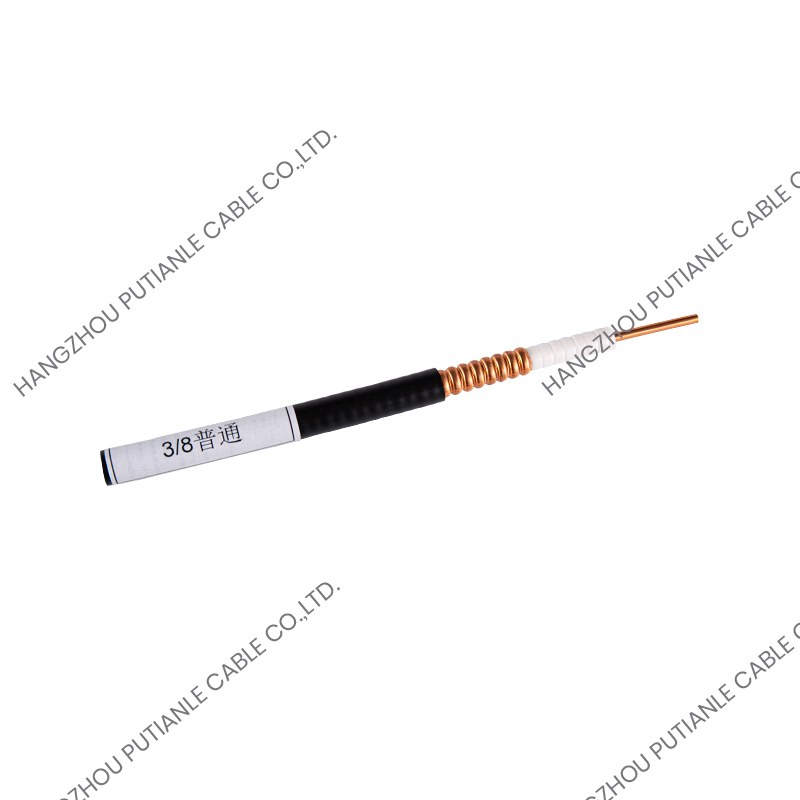
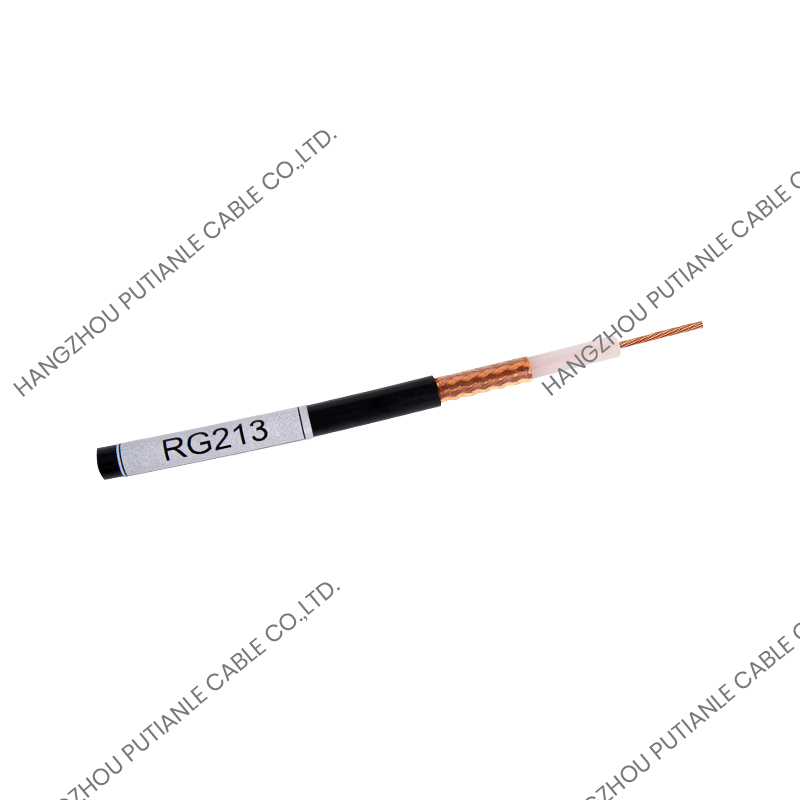
75 Ohm braiding cables are a type of coaxial cable specifically designed for high-frequency signal transmission. The 75 Ohm impedance standard is commonly used in television, video, and audio applications due to its efficiency in minimizing signal loss over long distances. These cables feature a central conductor surrounded by a dielectric insulator, a braided shield, and an outer jacket. The braiding provides both electromagnetic interference (EMI) shielding and mechanical strength, ensuring signal integrity and durability.
Key Components of 75 Ohm Braiding Cables
Central Conductor
The central conductor, typically made of copper or copper-clad steel, is responsible for carrying the electrical signal. The choice of material affects conductivity, flexibility, and overall performance of the cable.
Dielectric Insulation
The dielectric layer separates the central conductor from the braided shield. Materials like polyethylene or foamed PE are commonly used to reduce signal loss and maintain the characteristic 75 Ohm impedance.
Braided Shield
The braided layer, often made from tinned copper or aluminum, acts as a shield against electromagnetic interference while also providing mechanical durability. The braid density is crucial; higher coverage improves EMI protection but may reduce flexibility.
Outer Jacket
The outer jacket protects the cable from environmental factors such as moisture, abrasion, and temperature changes. Materials like PVC, PE, or low-smoke halogen-free compounds are common choices based on the intended application.
Advantages of Using 75 Ohm Braiding Cables
Choosing 75 Ohm braiding cables provides several key benefits in professional and domestic setups:
- Minimal signal attenuation over long distances.
- Excellent resistance to electromagnetic interference.
- Durable construction suitable for indoor and outdoor use.
- Compatibility with a wide range of devices including TVs, CCTV systems, and audio-video equipment.
- Flexible designs that simplify installation in tight spaces.
Applications of 75 Ohm Braiding Cables
These cables are widely used across several industries and consumer applications:
- Home entertainment systems, including TV antenna connections and satellite setups.
- Professional audio and video transmission for studios and broadcasting.
- CCTV and security systems for reliable video signal transmission.
- Networking applications where shielded coaxial connections are required.
- Instrumentation and industrial systems requiring precise signal fidelity.
Installation and Handling Tips
Proper Termination
Ensure that connectors match the 75 Ohm impedance to prevent signal reflections. Use high-quality F-type, BNC, or RCA connectors depending on the application.
Bend Radius Considerations
Avoid bending the cable beyond its minimum bend radius, as sharp bends can deform the dielectric and reduce signal quality.
Shielding Integrity
Maintain the braid coverage during termination. Damaged or incomplete shielding may lead to interference and signal degradation.
Comparing 75 Ohm Braiding Cables with Other Coaxial Types
75 Ohm coaxial cables differ from other standard impedance cables, such as 50 Ohm types, in several ways:
| Feature | 75 Ohm | 50 Ohm |
| Signal Type | Video, Audio | Data, RF |
| Attenuation | Low for high-frequency video | Optimized for power transfer |
| Applications | TV, CCTV, Home AV | Wireless RF, Networking |
Maintenance and Longevity
Regular inspection of the outer jacket and connectors ensures long-term performance. Keep cables away from extreme heat sources, chemicals, and mechanical stress. Proper storage in coils without kinks preserves the braid and dielectric integrity over time.
Conclusion: Why 75 Ohm Braiding Cables Are Essential
75 Ohm braiding cables are indispensable for anyone seeking high-quality signal transmission in audiovisual, security, and industrial applications. Their combination of low attenuation, EMI protection, and durable construction makes them a reliable choice for professional and home setups alike. Choosing the right cable, understanding installation best practices, and performing routine maintenance ensures optimal performance and longevity.