中文简体
中文简体 English
 Español
Content
CCTV coaxial cables are essential components in any security system, responsible for transmitting video signals from cameras to recording devices. Choosing the right cable is crucial for maintaining clear video quality, minimizing signal loss, and ensuring long-term system reliability. With multiple types, sizes, and specifications available, understanding the key factors for selecting CCTV coaxial cables can help you make informed decisions for both residential and commercial installations.
Cable Types and Structures
CCTV coaxial cables come in different structures that affect performance and suitability for various installations.
RG59 vs RG6 Cables
RG59 and RG6 are the two most common coaxial cable types used in CCTV systems. RG59 is ideal for short-distance installations (under 200 feet) due to its lower cost and flexibility. RG6 has a larger core conductor and better shielding, making it suitable for longer cable runs and high-definition CCTV systems.
Cable Components
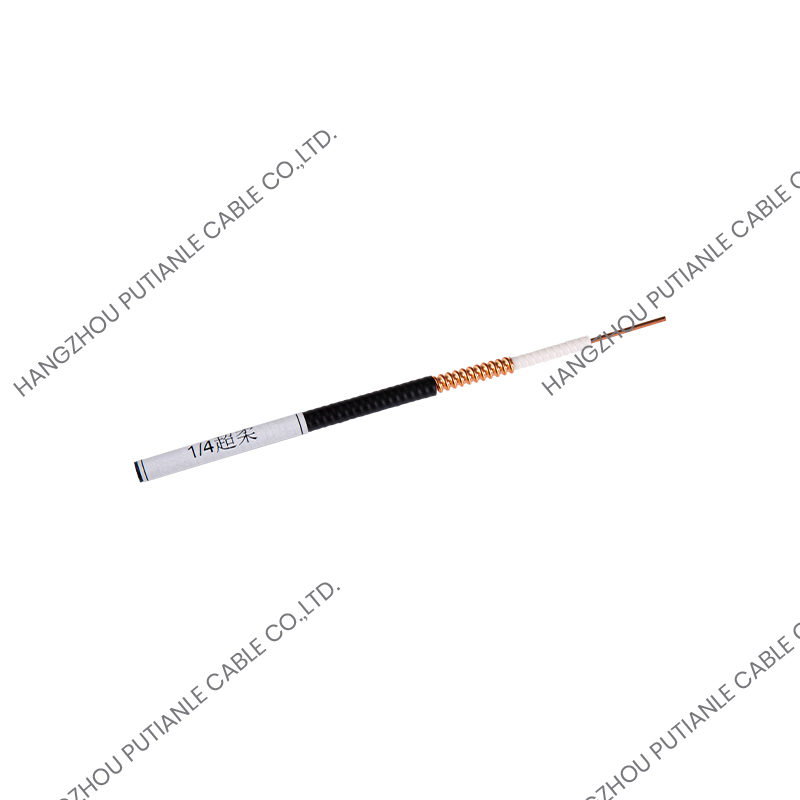
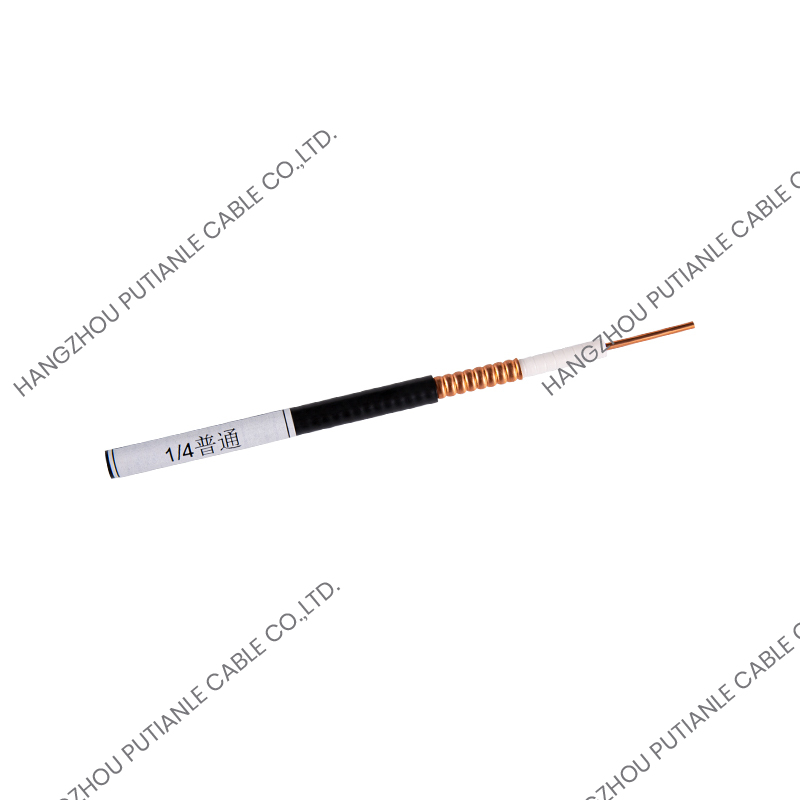
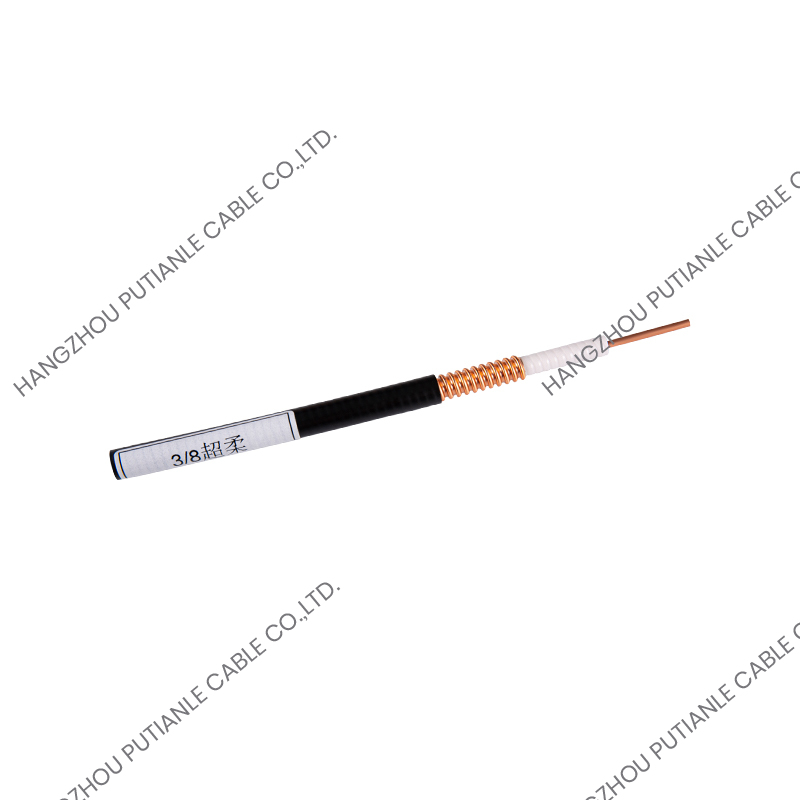
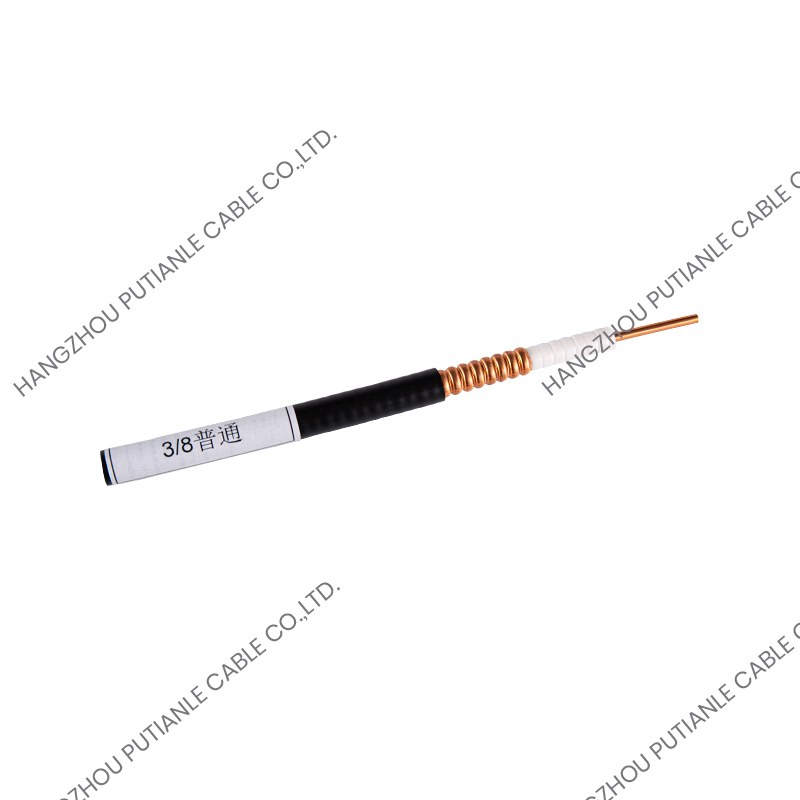
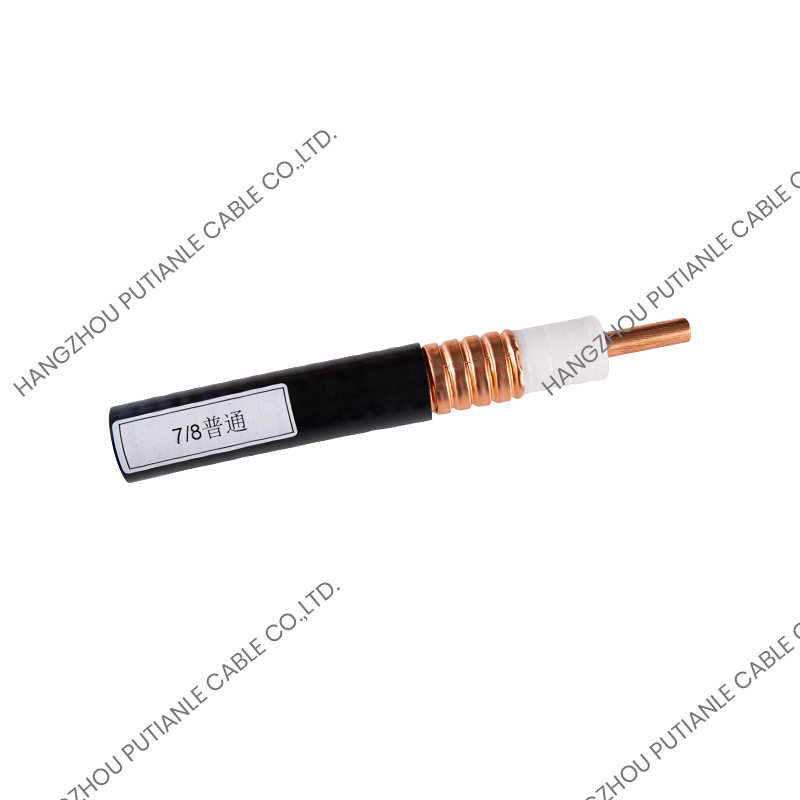
A standard coaxial cable consists of the inner conductor, dielectric insulation, shielding, and outer jacket:
- Inner Conductor: Usually made of copper or copper-clad steel, responsible for transmitting the signal efficiently.
- Dielectric Insulation: Separates the conductor from the shield, maintaining signal integrity.
- Shielding: Protects the signal from electromagnetic interference (EMI) and radio-frequency interference (RFI).
- Outer Jacket: Provides physical protection and may be rated for indoor, outdoor, or direct burial use.
Signal Quality Considerations
Maintaining signal quality is vital for CCTV performance. Factors like attenuation, frequency response, and cable length directly affect the clarity and reliability of video transmission.
Attenuation and Distance
Attenuation is the loss of signal strength over distance. Higher-quality cables with larger conductors and better shielding reduce attenuation. For long cable runs, consider RG6 or low-loss coaxial cables to ensure the video signal remains sharp and stable.
Shielding Effectiveness
Effective shielding protects the cable from EMI and RFI, which can cause static, noise, or video distortion. Look for cables with dual or quad shielding options, which combine foil and braid layers for superior protection in environments with heavy electronic interference.
Compatibility with CCTV Systems
Compatibility between coaxial cables and CCTV equipment is essential for optimal performance. Choosing cables with the right impedance, connectors, and ratings ensures smooth installation and operation.
Impedance Matching
Most CCTV systems use 75-ohm coaxial cables. Using a cable with mismatched impedance can cause signal reflections, leading to distorted video. Always verify that the cable and equipment share the same impedance rating.
Connector Types
Common connectors include BNC, RCA, and F-type. BNC connectors are widely used in CCTV setups due to secure locking mechanisms and low signal loss. Ensure the selected cable is compatible with the connectors used on your cameras and DVR/NVR units.
Environmental and Durability Factors
The installation environment significantly impacts cable longevity and performance. Consider factors like temperature, moisture, UV exposure, and physical stress.
Indoor vs Outdoor Use
Outdoor-rated coaxial cables feature UV-resistant jackets and moisture protection, while indoor cables are more flexible and easier to handle. For mixed environments, consider using hybrid cables designed for both indoor and outdoor applications.
Direct Burial and Conduit Installation
Direct burial cables are designed to withstand underground conditions without additional conduit protection. For conduit installations, standard cables can suffice, but ensure the cable jacket is rated for the expected temperatures and mechanical stress.
Cost vs Performance
While high-quality coaxial cables may cost more upfront, they often provide better signal integrity, durability, and easier installation. Consider long-term performance and maintenance costs when selecting cables for critical CCTV installations.
Budget-Friendly Options
For short, low-interference installations, RG59 or single-shield cables may suffice. These options offer acceptable performance for home or small business use while reducing upfront costs.
Premium Options
For professional or large-scale CCTV systems, investing in RG6, low-loss, or quad-shielded cables ensures optimal signal quality, especially for long-distance runs or high-definition cameras. These cables minimize interference and provide long-term reliability.
Conclusion
Selecting the right CCTV coaxial cable involves balancing multiple factors, including cable type, signal quality, compatibility, environmental conditions, and cost. Understanding these aspects ensures that your CCTV system delivers clear, reliable video for years to come. By carefully considering conductor size, shielding effectiveness, impedance, and installation environment, you can make informed choices that optimize system performance and minimize maintenance issues.