中文简体
中文简体 English
 Español
Content
Introduction to 75 Ohm Braiding Cables
75 Ohm braiding cables are widely used in video, satellite, and broadband TV systems due to their superior signal transmission and reduced interference. Proper installation and maintenance are essential to ensure optimal performance and prevent signal loss, interference, or physical damage. Understanding cable structure, installation techniques, and routine care can greatly extend the cable’s lifespan and reliability.
Understanding the Structure of 75 Ohm Braiding Cables
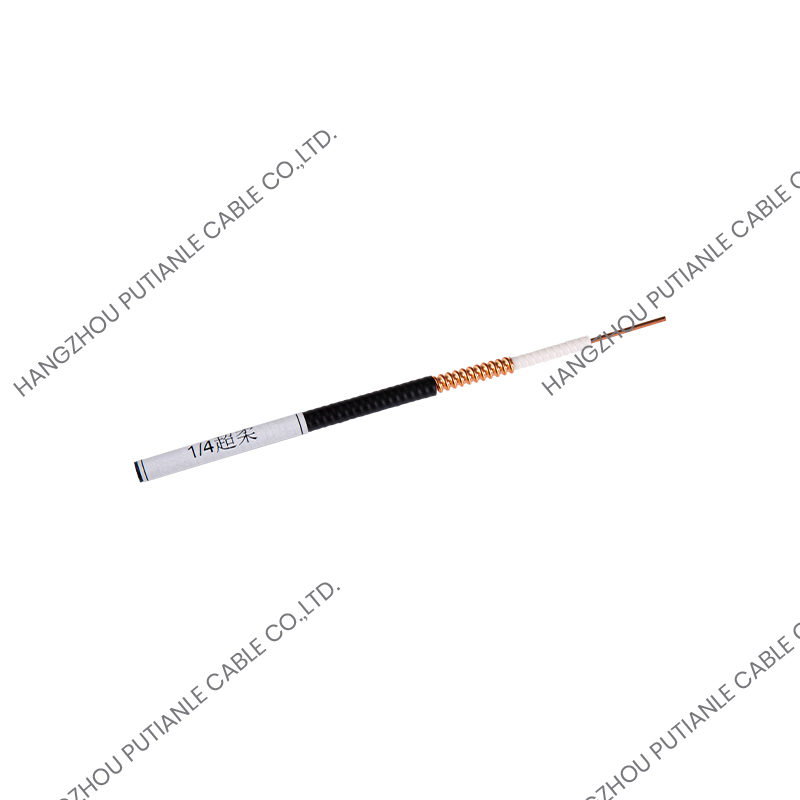
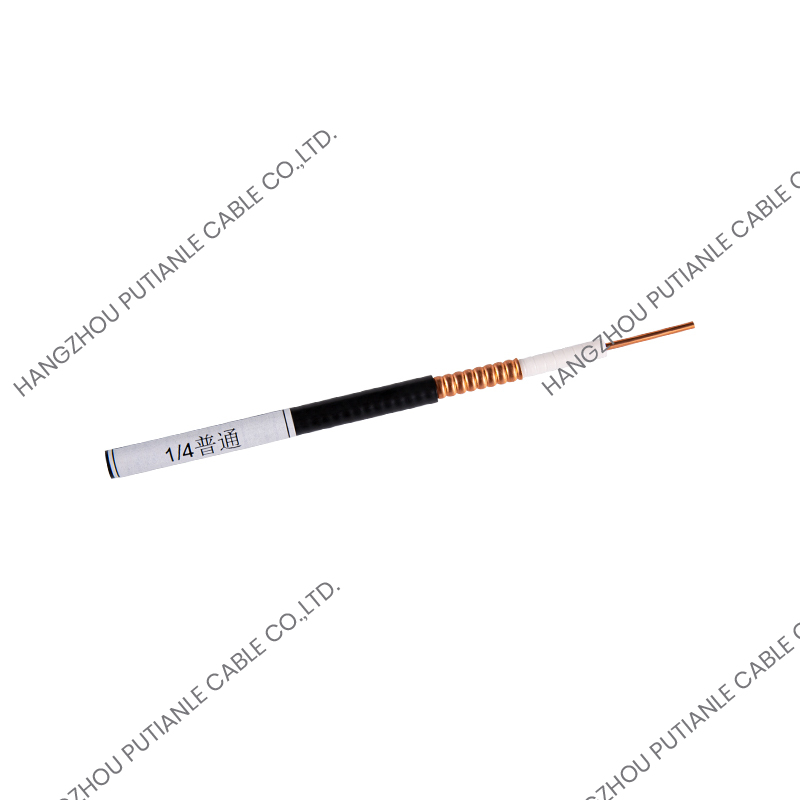
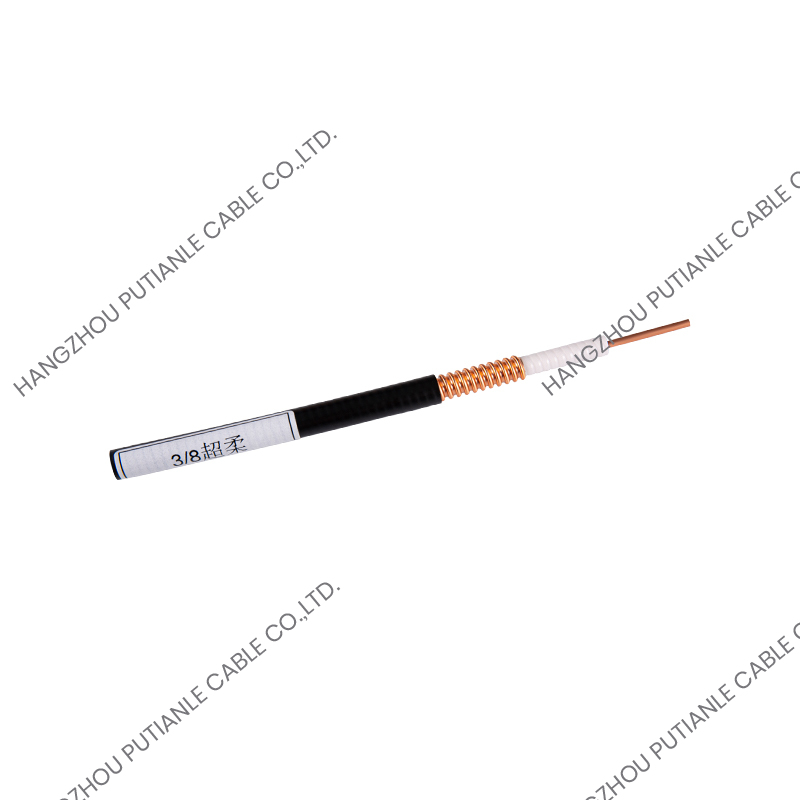
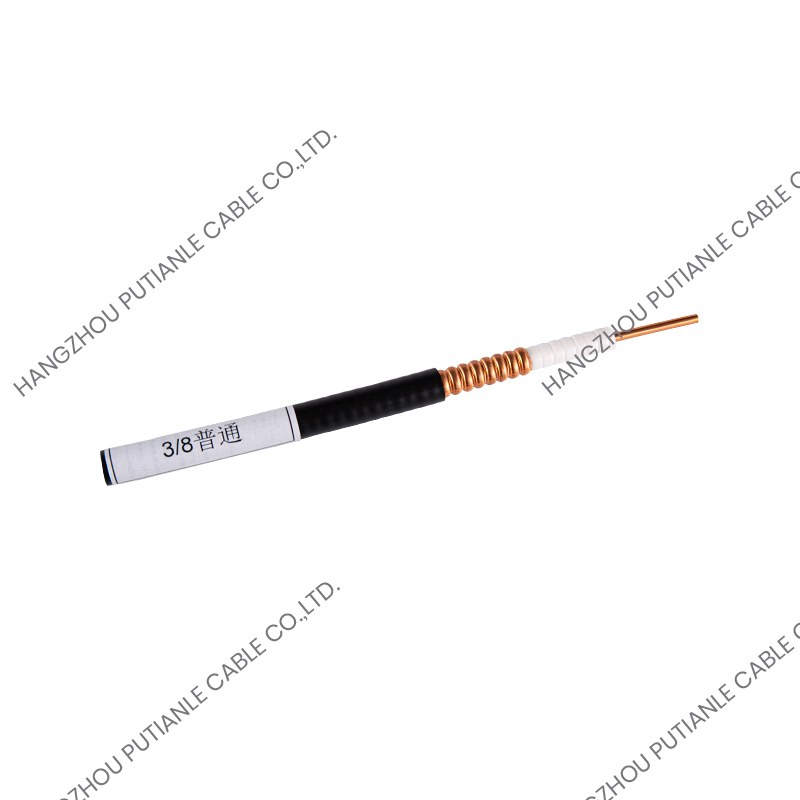
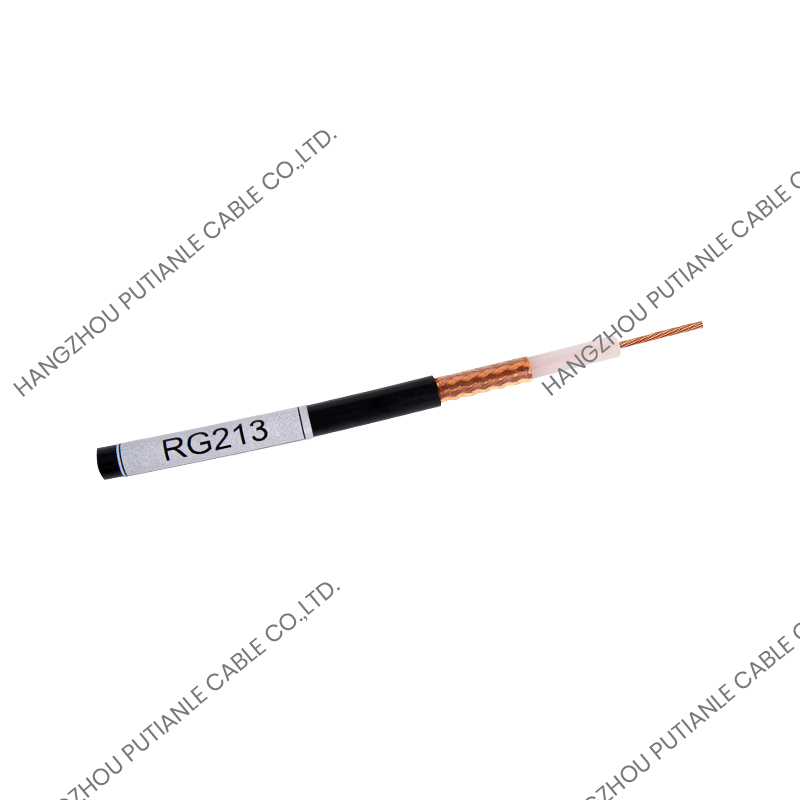
A 75 Ohm braiding cable consists of several key components that affect signal quality and durability:
- Conductor: Usually made of copper or copper-clad aluminum, responsible for transmitting the signal efficiently.
- Dielectric Insulation: Surrounds the conductor to maintain consistent impedance and reduce signal loss.
- Braided Shielding: Copper or aluminum braid prevents electromagnetic interference (EMI) and radio frequency interference (RFI).
- Outer Jacket: Protects against physical damage, moisture, and environmental conditions.
Knowing these components helps installers handle cables correctly and maintain signal integrity during use.
Preparation Before Installation
Proper preparation ensures smooth installation and long-term cable performance. Key steps include:
- Measure the Required Length: Account for bends, connectors, and slack to avoid stretching or tension.
- Inspect the Cable: Check for any damage to the outer jacket, braiding, or conductor before installation.
- Gather Necessary Tools: Include cable strippers, compression connectors, crimping tools, and testing equipment.
- Plan the Routing Path: Avoid high-voltage lines, sharp bends, and heat sources to minimize interference and physical stress.
Proper Installation Techniques
Installing 75 Ohm braiding cables correctly is crucial for signal quality. Consider the following guidelines:
- Maintain Minimum Bend Radius: Avoid sharp bends that can damage the internal conductor or shield.
- Secure the Cable: Use cable clips, ties, or raceways to prevent sagging and mechanical stress.
- Connector Attachment: Use high-quality compression or crimp connectors; ensure a firm connection without deforming the conductor or braid.
- Avoid EMI Sources: Keep cables away from motors, fluorescent lights, and high-voltage wiring.
- Labeling: Mark both ends of the cable for easy identification during maintenance and troubleshooting.
Testing Signal Quality
Testing after installation ensures the cable operates within specifications. Recommended steps include:
- Use a Cable Tester: Verify signal continuity, attenuation, and impedance consistency.
- Check Video or Satellite Signal: Ensure clarity, no flickering, and stable reception.
- Inspect for Physical Issues: Look for kinks, bends, or loose connectors that can cause signal loss.
Maintenance and Care Tips
Regular maintenance can prevent signal degradation and prolong cable life. Key practices include:
- Regular Cleaning: Wipe the outer jacket with a dry or slightly damp cloth to remove dust and debris.
- Check Connectors: Inspect compression or crimp connections for looseness or corrosion periodically.
- Avoid Physical Stress: Prevent bending, pinching, or stretching cables during operation or storage.
- Replace Damaged Sections: Even minor cuts or exposed braiding can impact signal quality; replace or repair immediately.
- Environmental Protection: Keep cables away from water, chemicals, and extreme temperatures whenever possible.
Common Installation Mistakes to Avoid
Being aware of common errors helps prevent performance issues and prolongs cable life:
- Over-bending the Cable: Can break the conductor or damage shielding.
- Loose Connector Fittings: Leads to signal loss and potential interference.
- Routing Near EMI Sources: Can degrade signal quality in video and satellite systems.
- Neglecting Testing: Skipping post-installation testing risks unnoticed issues.
- Improper Storage: Coiling too tightly or placing heavy objects on cables can deform them.
Conclusion
Proper installation and maintenance of 75 Ohm braiding cables are essential to ensure reliable performance in TV, satellite, and video systems. By understanding cable structure, following best installation practices, testing for signal quality, and conducting regular maintenance, users can maximize signal integrity, prevent interference, and extend the lifespan of their cabling infrastructure.