中文简体
中文简体 English
 Español
Content
Aluminum tube cable has become increasingly popular in electrical and industrial applications as a cost-effective and lightweight alternative to traditional copper cable. Understanding its advantages helps engineers, contractors, and facility managers make informed choices for installations ranging from power distribution to industrial machinery.
Material Composition and Structure
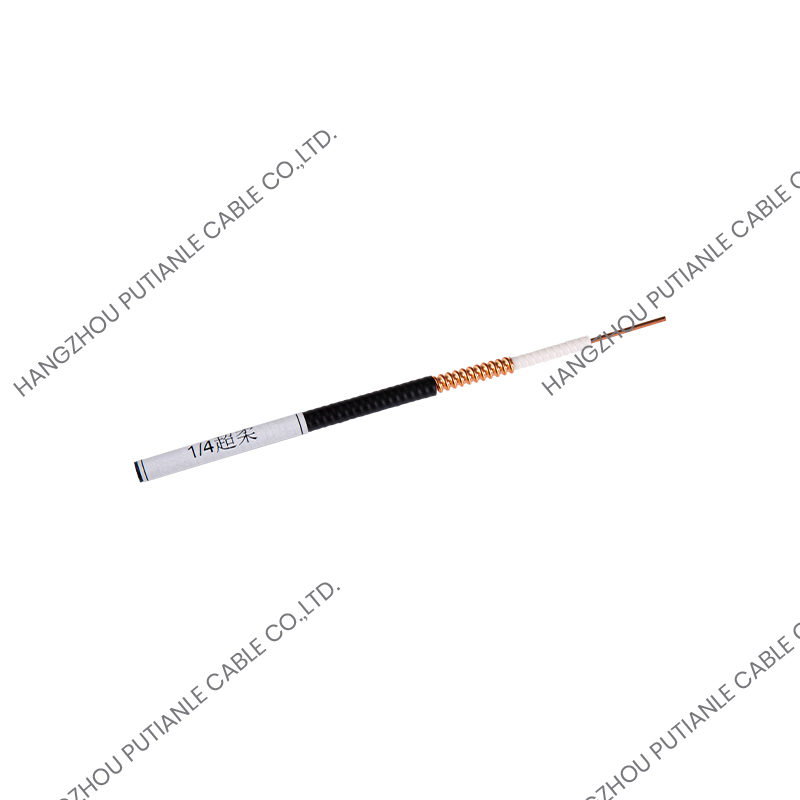
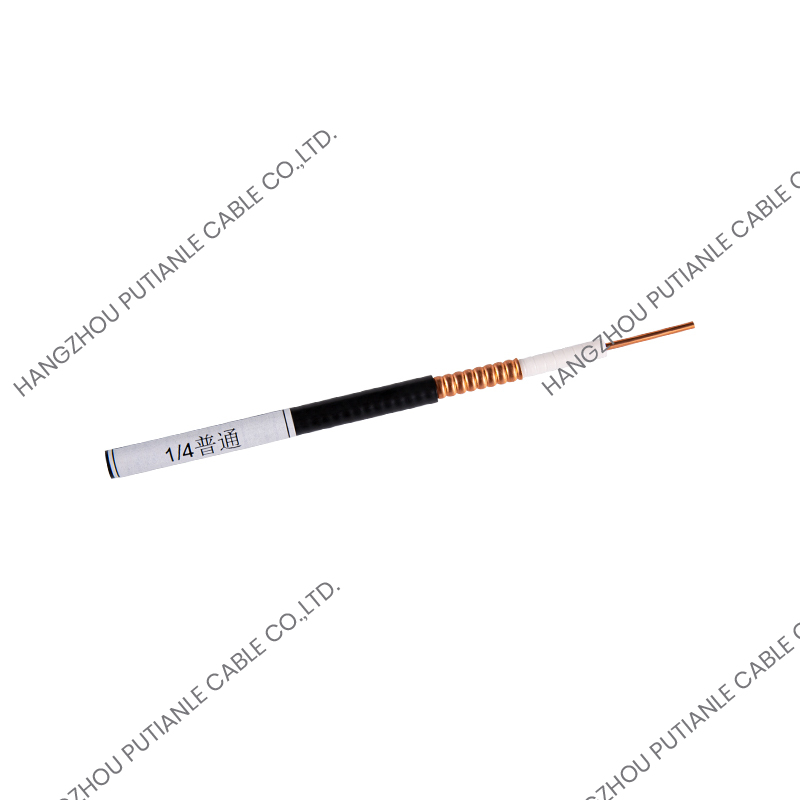
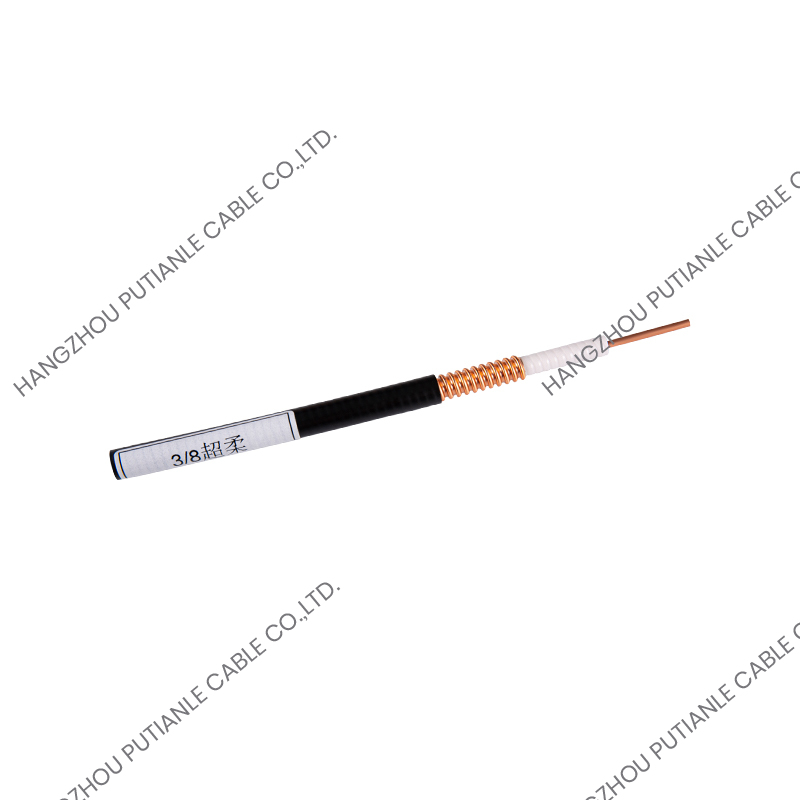
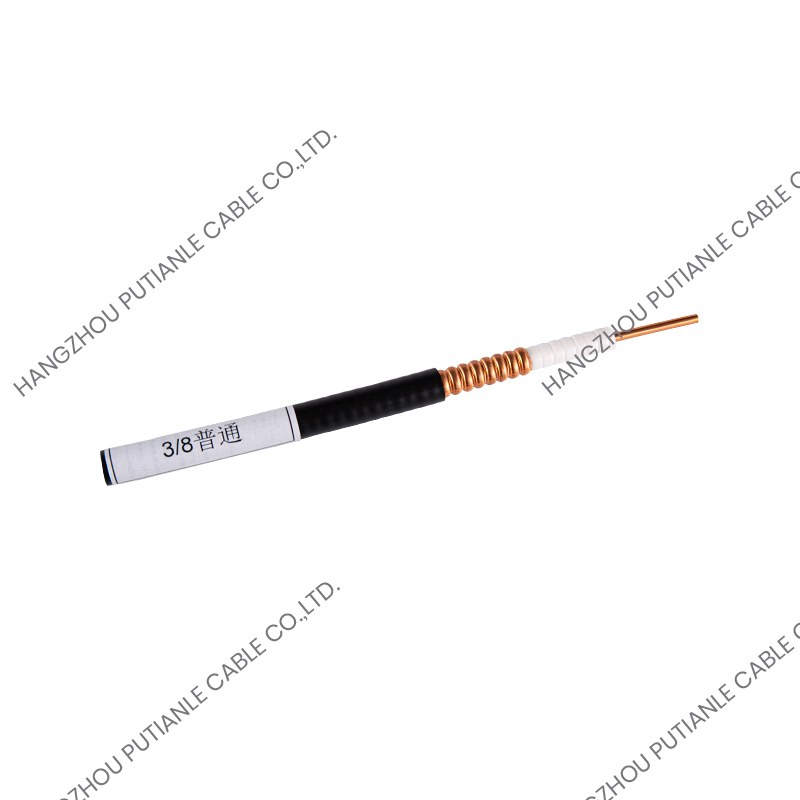
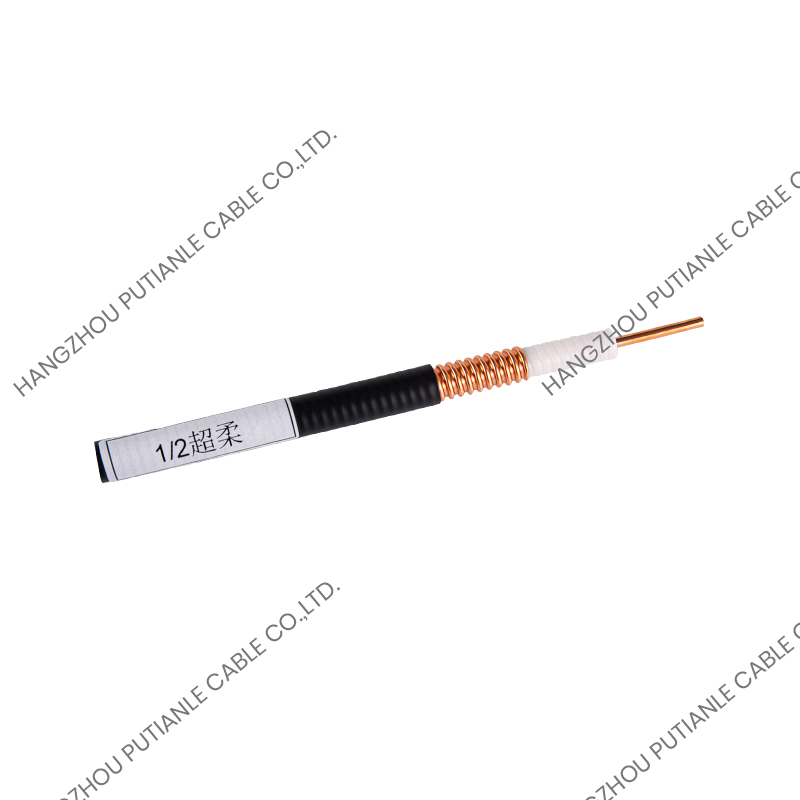
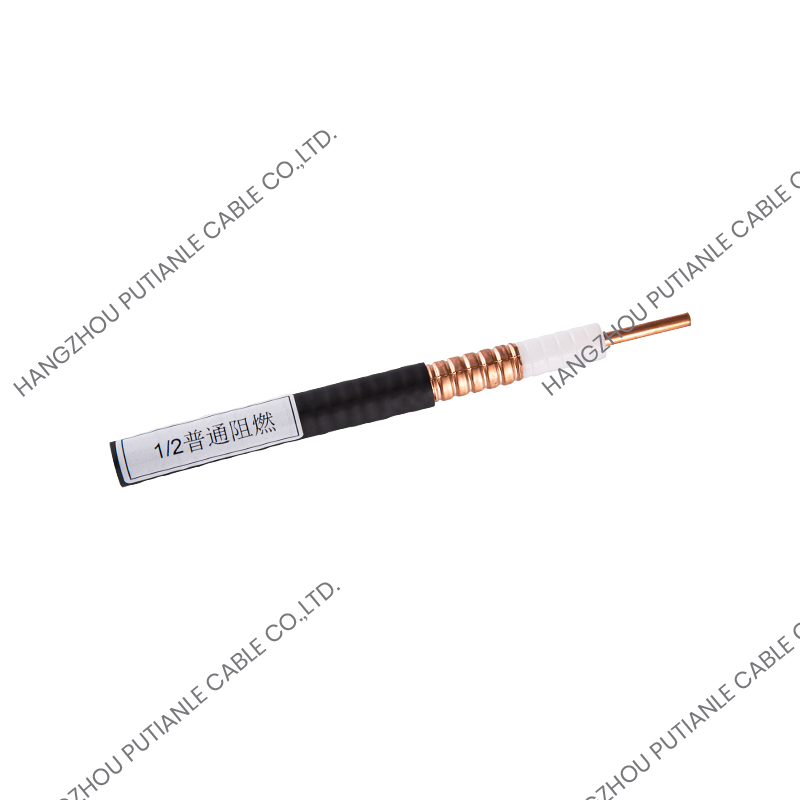
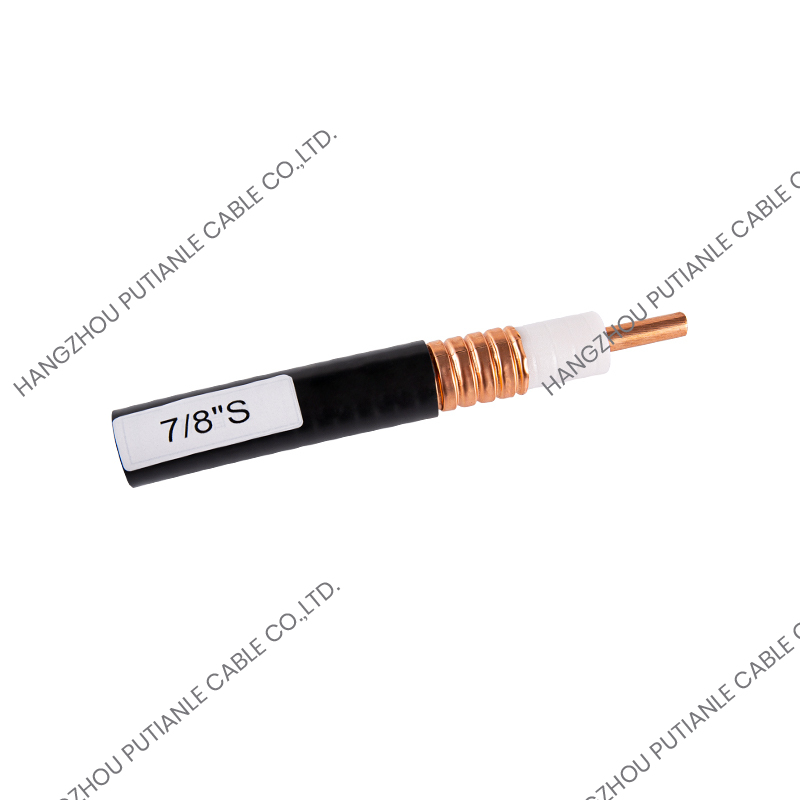
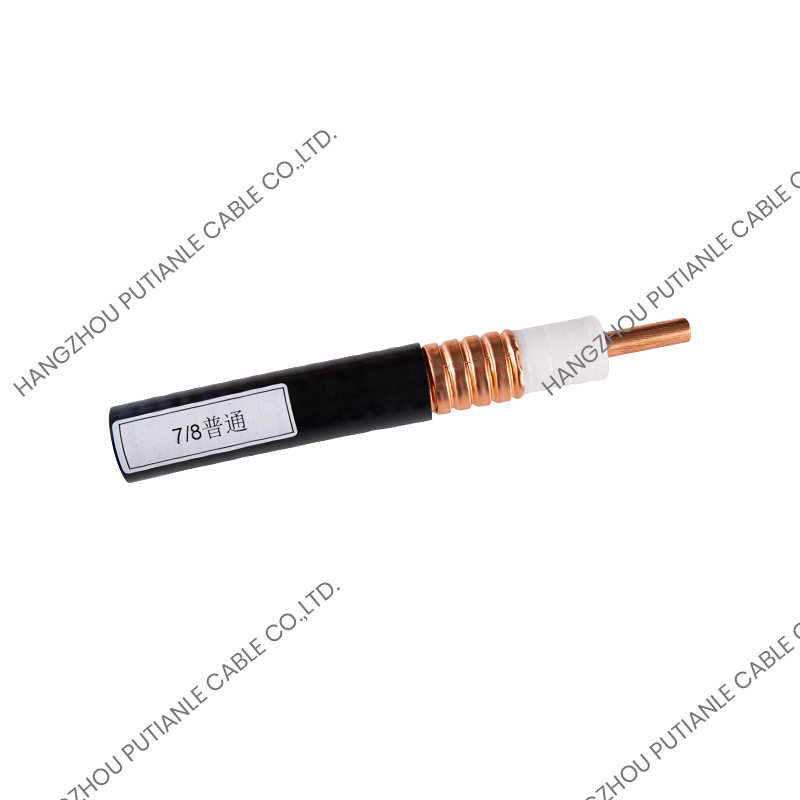
Aluminum tube cables are primarily made of high-purity aluminum, sometimes alloyed with small amounts of other metals to enhance strength and conductivity. The tube design allows for a hollow center, which reduces weight without compromising structural integrity. This configuration is particularly useful in overhead power lines and long-distance transmission.
Aluminum vs Copper: Physical Differences
While copper is denser and more conductive, aluminum offers significant weight reduction and cost savings. Aluminum tube cables also exhibit flexibility and corrosion resistance, making them easier to handle during installation, especially in long runs or elevated locations.
Cost Advantages
One of the most compelling reasons to choose aluminum tube cable over copper is cost efficiency. Aluminum is generally less expensive than copper, which can significantly reduce material costs for large-scale projects. Additionally, the hollow tube design further reduces the amount of metal needed, lowering overall expenditure.
Installation Cost Reduction
The lightweight nature of aluminum tube cables decreases the labor and equipment costs associated with installation. Less heavy machinery is required for transport and positioning, which can result in faster project timelines and lower labor expenses.
Electrical Performance
Despite aluminum having slightly lower conductivity than copper, the tube design compensates by allowing larger cross-sectional areas for current flow. Modern aluminum tube cables can achieve conductivity levels sufficient for most industrial, commercial, and residential applications.
Heat Dissipation and Efficiency
Aluminum's lower density also contributes to improved heat dissipation, reducing the risk of overheating in high-load situations. This makes aluminum tube cables suitable for high-voltage and high-current applications where thermal management is critical.
Durability and Longevity
Modern aluminum alloys are highly resistant to oxidation and corrosion. When properly insulated and maintained, aluminum tube cables can last for decades, making them a reliable choice for long-term installations, especially in outdoor environments exposed to weather elements.
Mechanical Strength and Flexibility
The tubular design provides excellent mechanical strength while remaining flexible enough to bend around corners or fit into constrained spaces. This is particularly useful in applications where routing flexibility is important, such as in industrial plants or building wiring.
Environmental and Sustainability Benefits
Aluminum is abundant and recyclable, making aluminum tube cables an environmentally friendly alternative to copper. Recycling aluminum requires only a fraction of the energy needed for primary production, reducing the carbon footprint of construction projects and supporting sustainability goals.
Reduced Resource Pressure
By choosing aluminum tube cables, industries can reduce reliance on copper mining, which has significant environmental and social impacts. This also helps mitigate the effects of fluctuating copper prices on project budgets.
Applications of Aluminum Tube Cable
Aluminum tube cables are widely used in electrical transmission, distribution networks, building wiring, and industrial machinery. Their lightweight, cost-efficient, and durable characteristics make them ideal for both overhead and underground installations.
Industrial and Commercial Use
Factories and commercial facilities use aluminum tube cables for power distribution to equipment and machinery, where large cross-sectional areas are needed to carry high currents efficiently. The flexibility and strength of aluminum tubes simplify complex wiring layouts.
Residential and Infrastructure Applications
For residential wiring, aluminum tube cables are increasingly chosen for main service feeds and sub-main circuits, particularly in areas where cost savings and weight reduction are important. They are also used in renewable energy projects, such as solar farms, where long runs of lightweight cable are required.
Maintenance and Safety Considerations
Proper installation, including secure terminations and adequate insulation, is essential to maximize the performance and lifespan of aluminum tube cables. Regular inspections and monitoring for signs of corrosion or wear help ensure long-term safety and reliability.
Handling Thermal Expansion
Aluminum expands more than copper under heat, so allowances must be made during installation to prevent loosening at connections. Using proper connectors and torque specifications ensures safe and efficient operation over the cable's lifetime.
Conclusion
Aluminum tube cable offers numerous advantages over copper, including lower cost, reduced weight, adequate conductivity, and environmental benefits. With proper installation and maintenance, it serves as a durable, efficient, and sustainable solution for a wide range of applications, from industrial machinery to residential and commercial power distribution.