中文简体
中文简体 English
 Español
Content
- 1 Why 50 Ohm Impedance Matters in RF Systems
- 2 Role of Braided Shielding in Signal Protection
- 3 Frequency Range and Signal Performance Considerations
- 4 Inner Conductor and Dielectric Materials
- 5 Environmental and Installation Requirements
- 6 Mechanical Strength and Flexibility Balance
- 7 Connector Compatibility and Termination Quality
- 8 Comparing Common 50 Ohm Braiding Cable Types
- 9 Application-Specific Selection Tips
- 10 Conclusion: Making the Right Choice
A 50 ohm braiding cable is a type of coaxial or RF cable designed with a characteristic impedance of 50 ohms and a braided shielding layer. This impedance standard is widely used in RF, wireless communication, broadcasting, and industrial signal transmission because it offers an optimal balance between power handling and signal loss. The braided shield plays a critical role in protecting the signal from electromagnetic interference while maintaining stable transmission.
Unlike simple single-shield cables, braided constructions use woven metal strands—typically copper or tinned copper—to create a flexible yet effective barrier against noise. When selecting a 50 ohm braiding cable, understanding how impedance, shielding, and construction interact is essential for reliable system performance.
Why 50 Ohm Impedance Matters in RF Systems
Impedance matching is fundamental in RF and communication systems. A 50 ohm standard minimizes signal reflections between transmitters, cables, and antennas, ensuring maximum power transfer. Using a cable with mismatched impedance can cause standing waves, increased attenuation, and even damage to sensitive RF equipment.
Most RF components—such as antennas, connectors, amplifiers, and test instruments—are designed around the 50 ohm standard. Choosing a compatible 50 ohm braiding cable helps maintain system integrity across a wide range of frequencies and operating conditions.
Role of Braided Shielding in Signal Protection
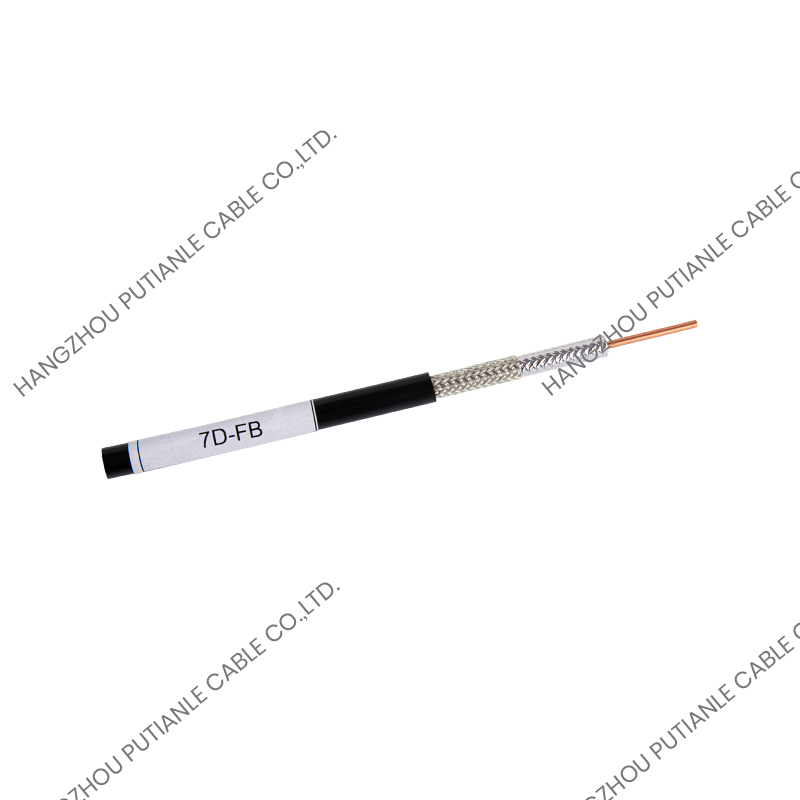
The braided shield is one of the defining features of a 50 ohm braiding cable. It provides electromagnetic shielding by surrounding the dielectric and inner conductor with interwoven metal strands. This structure reduces the impact of external electromagnetic interference (EMI) and radio frequency interference (RFI).
Compared to foil-only shielding, braided shielding offers better mechanical strength and flexibility. It also maintains shielding effectiveness even when the cable is bent or flexed, making it suitable for dynamic installations and field applications.
Braided Shield Coverage Percentage
Shield coverage, usually expressed as a percentage, indicates how densely the braid covers the cable core. Higher coverage improves shielding effectiveness but can slightly reduce flexibility. Common coverage levels range from 70% to over 95%, depending on the application’s noise sensitivity and mechanical requirements.
Frequency Range and Signal Performance Considerations
Different RF and communication systems operate across varying frequency ranges, from a few megahertz to several gigahertz. The cable’s construction—including conductor size, dielectric material, and braid design—directly affects attenuation and signal integrity at higher frequencies.
When choosing a 50 ohm braiding cable, it is important to verify that its rated frequency range exceeds your system’s operating frequency. Cables designed for low-frequency use may exhibit excessive signal loss or impedance instability at higher frequencies.
Inner Conductor and Dielectric Materials
The inner conductor of a 50 ohm braiding cable is typically made from solid or stranded copper, copper-clad steel, or silver-plated copper. Each option offers different advantages in terms of conductivity, mechanical strength, and cost. For high-frequency or low-loss applications, silver-plated conductors are often preferred.
The dielectric material separates the inner conductor from the shield and determines impedance stability. Common dielectrics include solid polyethylene, foam polyethylene, and PTFE. Foam dielectrics reduce signal loss and weight, while PTFE offers excellent thermal stability for demanding environments.
Environmental and Installation Requirements
Environmental conditions play a significant role in cable selection. Outdoor or industrial installations may expose cables to temperature extremes, moisture, UV radiation, and mechanical stress. In such cases, the jacket material and braid durability become critical factors.
For indoor installations or equipment interconnections, flexibility and ease of routing may take priority. A well-balanced 50 ohm braiding cable should meet both environmental resistance and installation convenience requirements.
Common Jacket Materials
- PVC for general-purpose indoor use
- PE for outdoor and moisture-resistant applications
- LSZH for safety-critical environments
Mechanical Strength and Flexibility Balance
Braided shielding contributes significantly to the mechanical strength of the cable. A dense braid improves resistance to abrasion and pulling forces, which is important in industrial and mobile systems. However, excessive braid density can reduce flexibility, making installation more difficult in tight spaces.
Selecting the right balance between strength and flexibility ensures long-term reliability without complicating routing or connector termination. This balance is particularly important for RF jumpers and equipment patch cables.
Connector Compatibility and Termination Quality
A 50 ohm braiding cable must be compatible with standard 50 ohm RF connectors such as SMA, N-type, BNC, or TNC. Poor connector matching can negate the benefits of a high-quality cable by introducing impedance discontinuities and signal reflections.
The braided shield also affects termination quality. Properly designed braids allow secure grounding to the connector body, enhancing shielding effectiveness and mechanical stability at the connection point.
Comparing Common 50 Ohm Braiding Cable Types
| Cable Type | Shield Structure | Typical Use |
| Single Braid | One braided layer | General RF connections |
| Double Braid | Two braided layers | High-interference environments |
| Braid + Foil | Foil with braided shield | Broadband and digital RF systems |
Application-Specific Selection Tips
Different RF and communication applications place different demands on cable performance. Base station installations may prioritize low loss and weather resistance, while laboratory test setups focus on impedance stability and repeatability. Mobile communication systems often require high flexibility and vibration resistance.
Clearly defining the operating environment, frequency range, and mechanical constraints helps narrow down the most suitable 50 ohm braiding cable option and avoids over- or under-specification.
Conclusion: Making the Right Choice
Choosing the right 50 ohm braiding cable for RF and communication systems requires a careful balance of electrical performance, shielding effectiveness, mechanical durability, and environmental suitability. Understanding how impedance, braid structure, materials, and frequency characteristics interact ensures reliable signal transmission and long-term system stability.
By focusing on practical selection criteria rather than generic specifications, engineers and system designers can confidently select a 50 ohm braiding cable that meets both current requirements and future performance expectations.