中文简体
中文简体 English
 Español
Content
Choosing the right cable for your network, broadcast system, or home setup isn't always straightforward. Two technologies dominate the conversation: coaxial cable and fiber optic cable. But before you can compare them meaningfully, it helps to understand what types of coaxial cables exist and what each one is actually built for. This guide breaks down the major coaxial cable variants, examines their specs and applications, and then puts them head-to-head against fiber optic cable so you can make an informed decision.
What Is a Coaxial Cable and How Does It Work?
A coaxial cable — often called "coax" — is a type of electrical cable consisting of an inner conductor surrounded by a tubular insulating layer, a metallic shield, and an outer protective jacket. This layered design allows the cable to transmit radio frequency (RF) signals with relatively low signal loss and strong resistance to electromagnetic interference (EMI). The term "coaxial" refers to the fact that the inner conductor and the outer shield share the same geometric axis.
Coaxial cables are used in a wide range of applications: cable television distribution, broadband internet, CCTV surveillance, amateur radio, and even aerospace and military systems. Each application may call for a different type of coax, optimized for specific impedance, frequency range, or flexibility requirements.
The Main Types of Coaxial Cables
RG-6: The Household Standard
RG-6 is the most widely used coaxial cable in residential settings. It features a 75-ohm impedance and is optimized for high-frequency signals, making it the go-to choice for cable TV, satellite dishes, and cable internet connections. Its thicker dielectric insulation compared to older RG-59 cable means it handles higher frequencies with less signal loss over longer distances. Most modern homes are wired with RG-6 or its shielded variant, RG-6 Quad Shield, which adds extra layers of foil and braid shielding to reduce interference from outside sources.
RG-59: The Legacy Choice
RG-59 is an older 75-ohm coaxial cable that was once the standard for cable TV and CCTV systems. It has a thinner center conductor and dielectric compared to RG-6, which limits its performance at higher frequencies and longer cable runs. Today, RG-59 is mostly found in legacy CCTV installations and composite video setups. While it's cheaper and more flexible than RG-6, it's not recommended for new installations that involve digital or HD signals.
RG-11: Long-Distance Runs
RG-11 is a heavier-duty 75-ohm coaxial cable designed for runs that exceed what RG-6 can handle — typically over 100 feet. It has a larger diameter and lower signal attenuation per foot, which makes it ideal for underground burial, aerial installations, or trunk lines in cable distribution systems. The tradeoff is that RG-11 is much less flexible and more expensive, making it impractical for tight indoor runs or consumer-grade installations.
RG-58: RF and Radio Applications
Unlike the 75-ohm cables used in video and TV, RG-58 operates at 50 ohms and is commonly used in RF communications, CB radios, amateur (ham) radio equipment, and some networking applications such as old 10Base-2 Ethernet (thinnet). It's thinner and more flexible than RG-8 but has higher signal loss over long distances. RG-58 is still widely used in test and measurement equipment where short, flexible cable runs are needed.
RG-8 and RG-213: High-Power RF Transmission
RG-8 (also at 50 ohms) and its military-grade equivalent RG-213 are used in high-power RF transmission, particularly in amateur radio base stations and commercial broadcast antennas. They have a larger diameter that reduces signal loss significantly over long runs, but this also makes them stiff and difficult to route in confined spaces. These cables are built to handle high wattage and are often used outdoors or in equipment rooms.
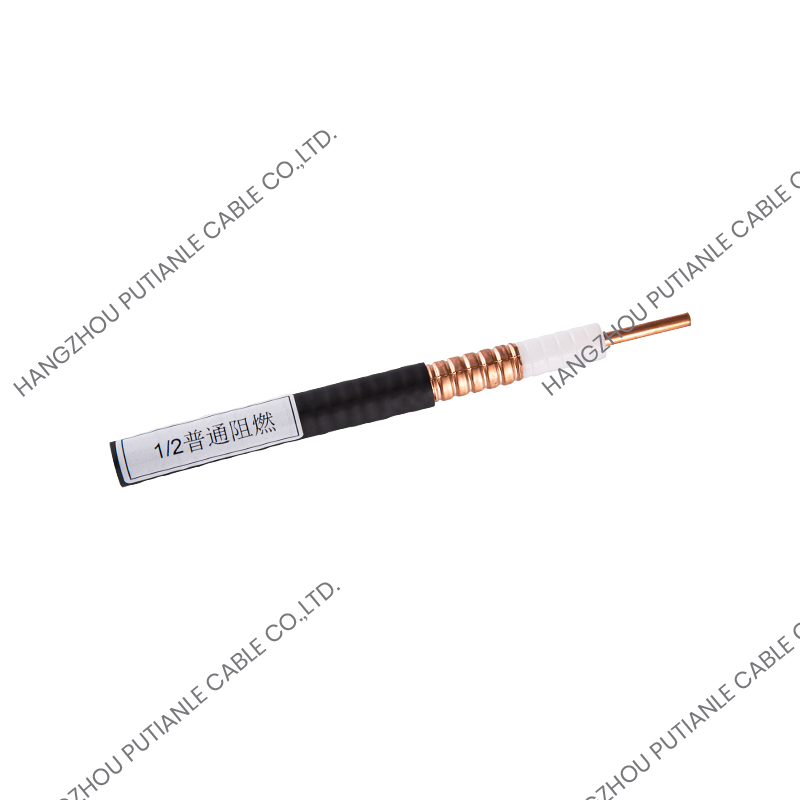
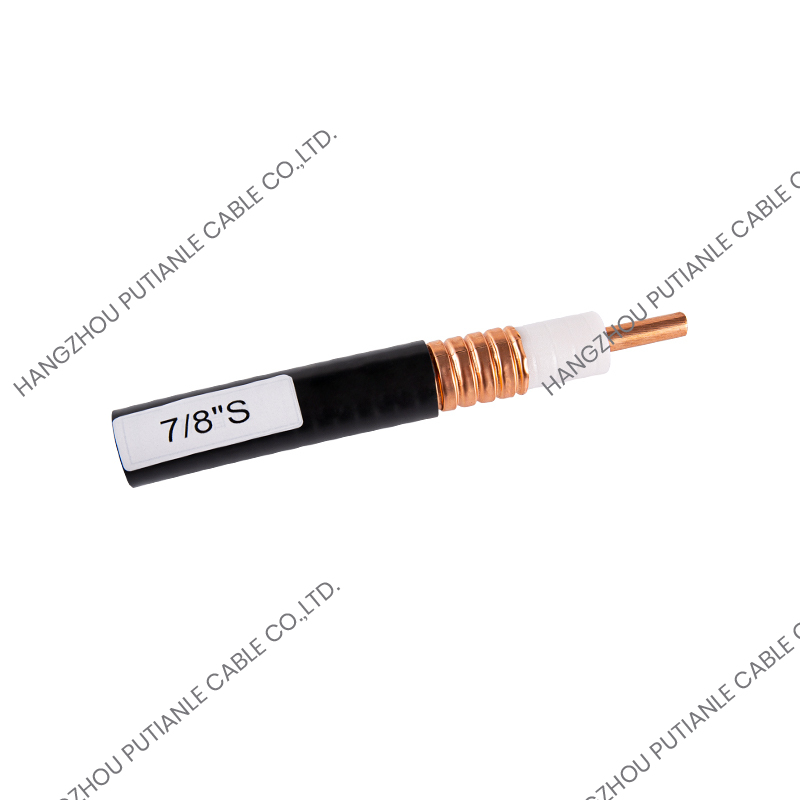
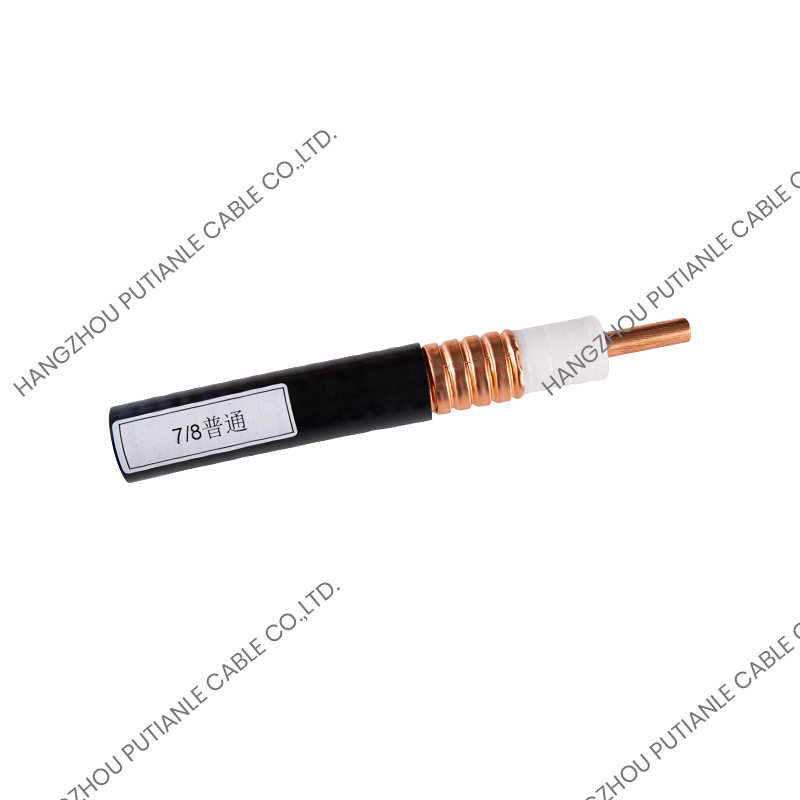
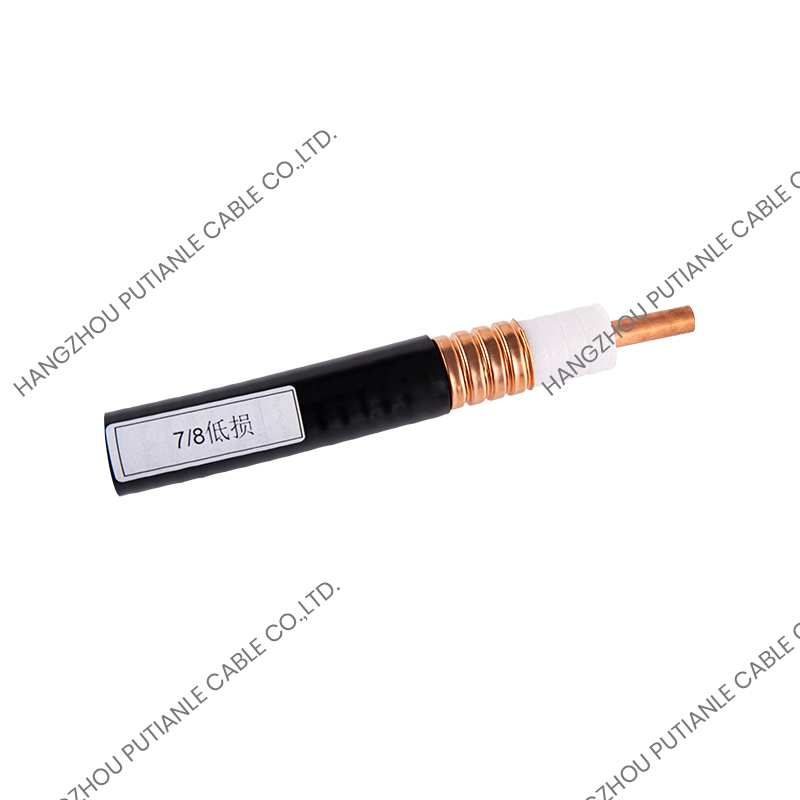
Hardline Coaxial Cable
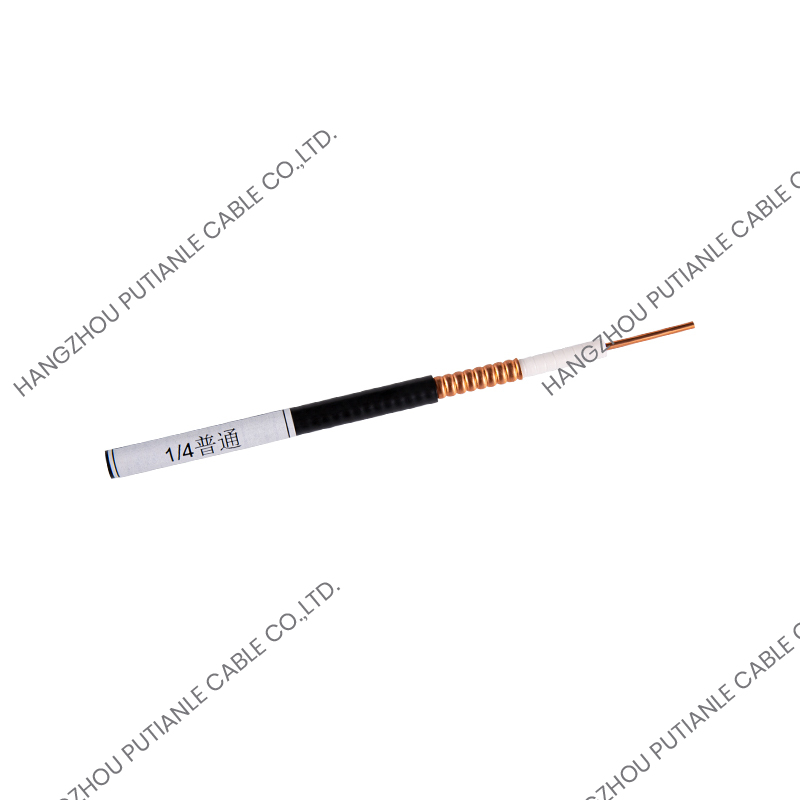
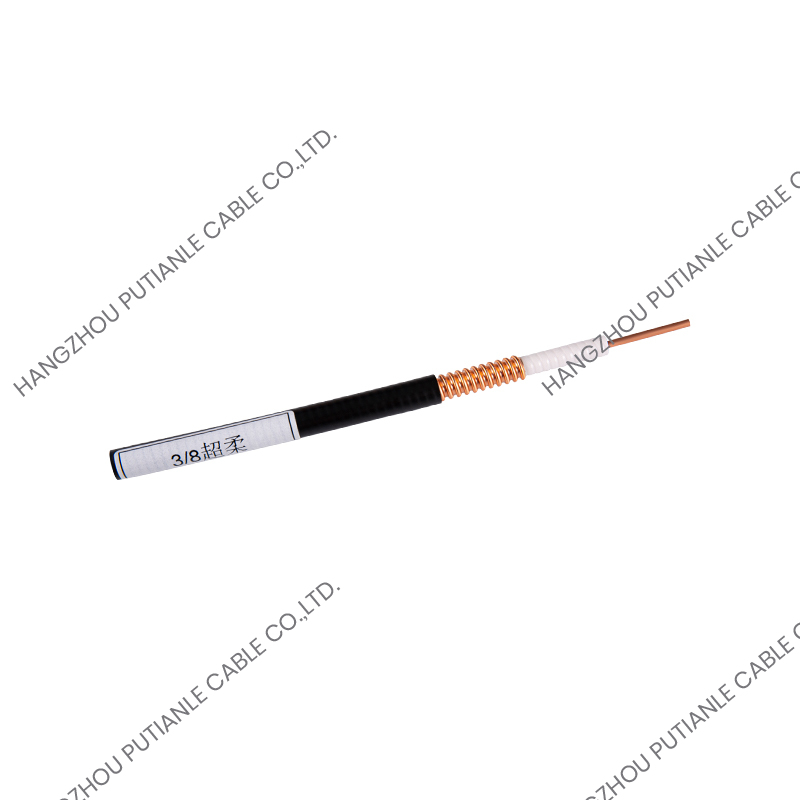
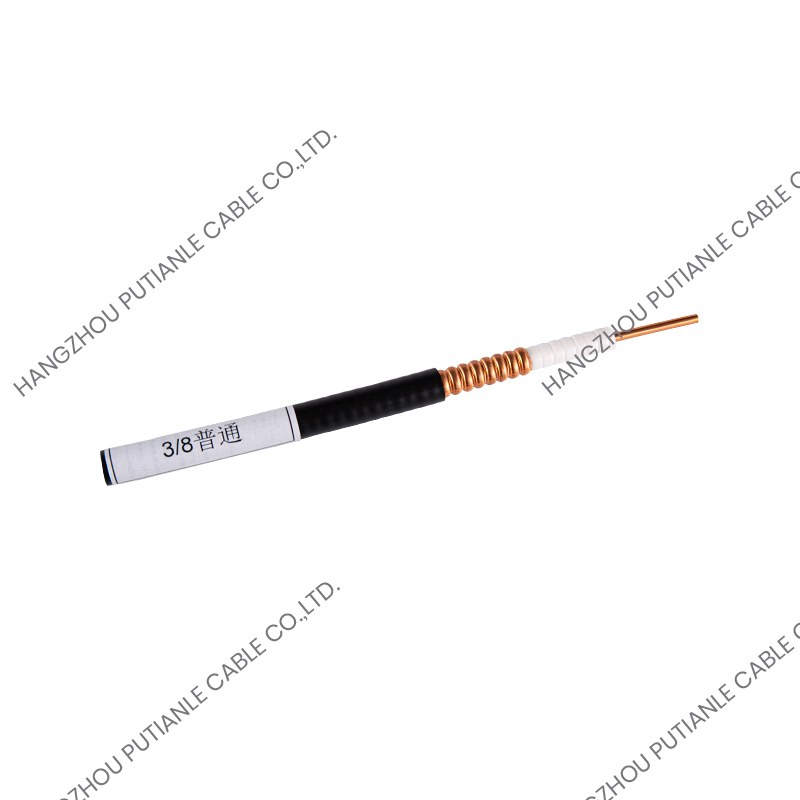
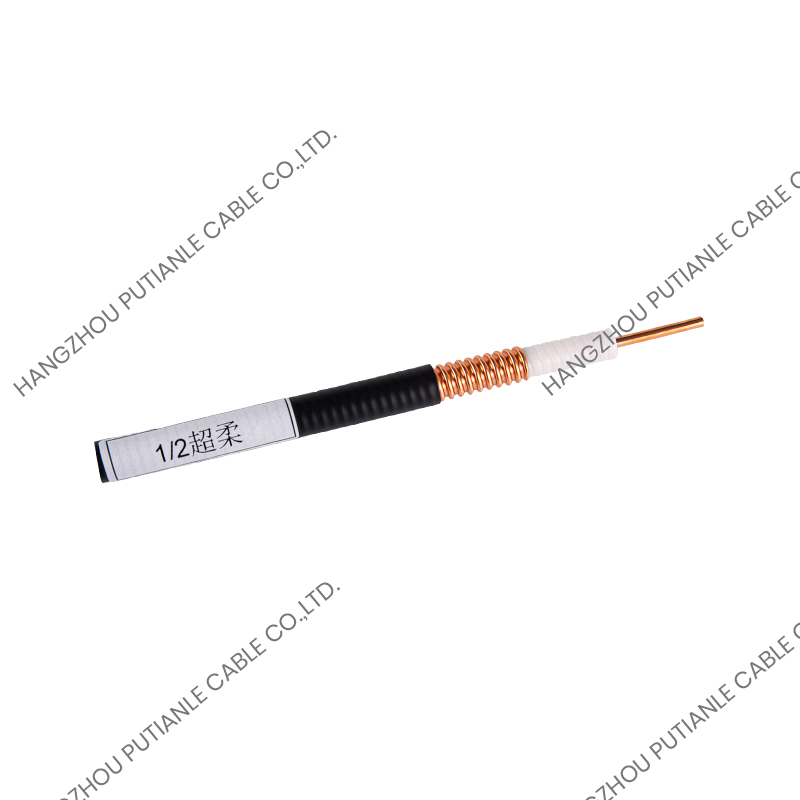
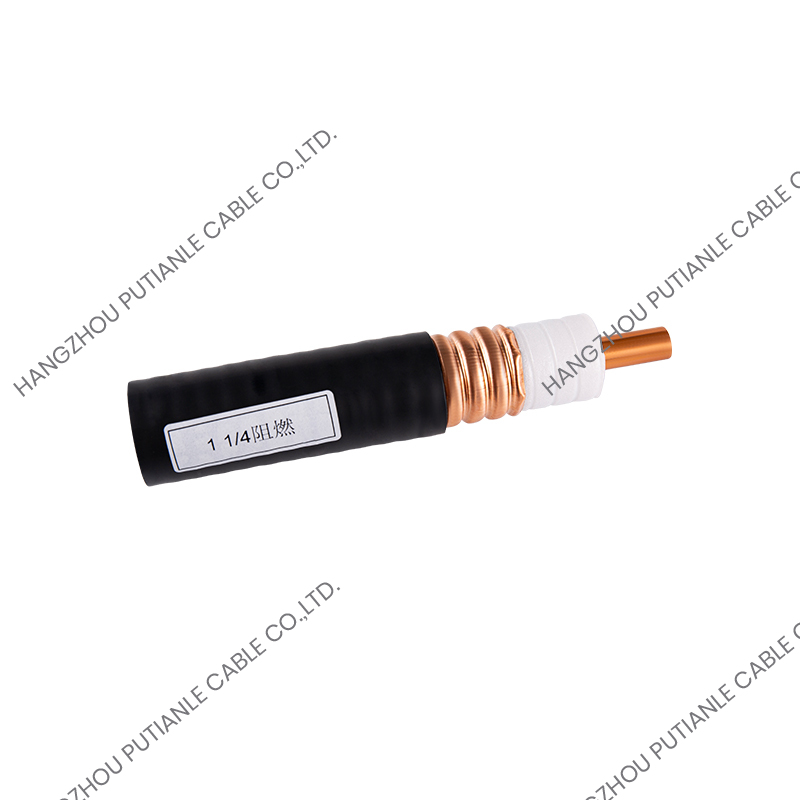
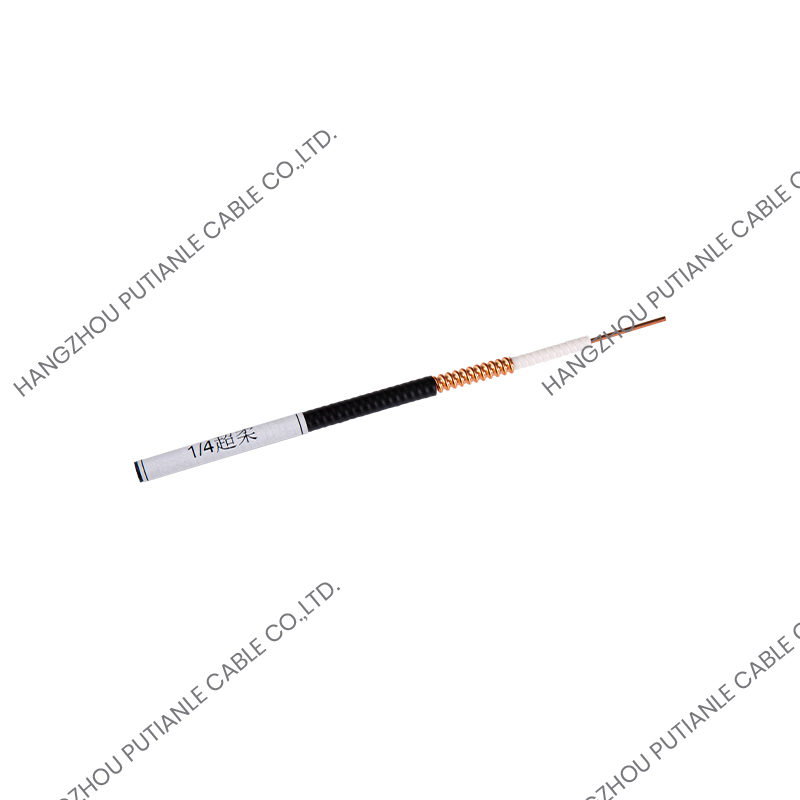
Hardline coaxial cable uses a solid or corrugated aluminum or copper outer conductor instead of a braided shield. This construction virtually eliminates signal leakage and dramatically reduces signal attenuation, making hardline the preferred choice for cable television trunk lines and cellular network feeder cables. It is not flexible and requires special fittings, so it is only used in fixed, large-scale infrastructure installations.
Triaxial Cable
Triaxial cable — or "triax" — adds a second insulating layer and outer shield around the standard coaxial structure. This double-shielding provides exceptional protection against interference and signal leakage, which is why triax is used in professional broadcast video cameras and sensitive scientific instrumentation. It's bulkier and more expensive than standard coax but provides superior performance in electromagnetically noisy environments.
Quick Comparison of Common Coaxial Cable Types
| Cable Type | Impedance | Primary Use | Max Practical Run |
| RG-6 | 75 Ω | Cable TV, satellite, broadband | ~100–200 ft |
| RG-59 | 75 Ω | Legacy CCTV, composite video | ~75 ft |
| RG-11 | 75 Ω | Long-distance trunk lines | ~300–500 ft |
| RG-58 | 50 Ω | RF, CB/ham radio, old Ethernet | ~100 ft |
| RG-8 / RG-213 | 50 Ω | High-power amateur radio, broadcast | ~200–400 ft |
| Hardline | Varies | Cable infrastructure, cellular | 1000+ ft |
Fiber Optic vs Coaxial Cable: A Head-to-Head Comparison
Once you understand the range of coaxial options, the next major question is whether coaxial cable is even the right medium for your project — or whether fiber optic cable is a better fit. The two technologies are fundamentally different: coax transmits electrical signals through copper conductors, while fiber optic cable transmits pulses of light through glass or plastic strands. This core difference drives nearly every practical distinction between them.
Speed and Bandwidth
Fiber optic cable wins decisively on bandwidth. Modern single-mode fiber can carry data at speeds exceeding 100 Gbps over distances of many kilometers with virtually no signal degradation. Coaxial cable, even in its best implementations, tops out well below fiber's ceiling and experiences measurable attenuation as cable length increases. For internet service providers and enterprise networks, fiber is increasingly the default. That said, coaxial cable is perfectly adequate for residential broadband, cable TV, and most security camera systems where gigabit-level throughput isn't required.
Signal Loss Over Distance
Signal attenuation — the loss of signal strength over distance — is a critical factor in choosing cable. Coaxial cables lose signal progressively over distance, which is why amplifiers or signal boosters are often required in long cable TV runs. Fiber optic cable has extraordinarily low attenuation: a single-mode fiber can run tens of kilometers without a repeater. This makes fiber the obvious choice for long-haul telecommunications, inter-building campus networks, and any application where cable runs exceed a few hundred feet.
Electromagnetic Interference (EMI) Resistance
Because coaxial cable transmits electrical signals, it is susceptible to electromagnetic interference from nearby power lines, motors, and other cables — even with shielding. Fiber optic cable, transmitting light rather than electricity, is completely immune to EMI. This makes fiber the preferred choice in industrial environments, hospitals, and any location where electromagnetic noise is a concern. It also eliminates ground loop issues that can plague coaxial installations in some building configurations.
Installation and Cost
Coaxial cable has a clear practical advantage: it is cheaper to purchase, easier to terminate, and compatible with a vast range of existing equipment. Most technicians can install and troubleshoot coax with basic tools. Fiber optic cable requires specialized fusion splicing or polishing equipment for termination, and the transceivers needed at each end add to the cost. However, fiber installation costs have dropped considerably, and in new construction projects where labor is the dominant expense, the cost gap has narrowed significantly.
Durability and Physical Handling
Coaxial cable is robust and forgiving — it can be bent, crimped, and handled roughly without immediate failure. Fiber optic cable, especially glass fiber, is fragile and can crack if bent too sharply or subjected to excessive tension. Modern armored fiber cables address some of these concerns, but coax remains the easier medium to work with in field installations, especially for technicians who need to make quick connections or repairs.
When to Use Coaxial Cable vs Fiber Optic
The right choice depends on your specific requirements. Here are the key decision points:
- Choose coaxial cable when you need to connect to existing cable TV or broadband infrastructure, run CCTV cameras in a building, work with RF or antenna systems, or keep installation costs low on short-to-medium runs.
- Choose fiber optic cable when you need high-speed data transmission over long distances, immunity from electromagnetic interference, future-proof bandwidth capacity, or are building new infrastructure where long-term performance outweighs upfront cost.
- Consider a hybrid approach — many ISPs and cable operators use fiber for backbone and long-haul runs while using coaxial cable for the final drop into homes and businesses. This "fiber to the curb" or "fiber to the node" architecture balances cost and performance effectively.
Final Thoughts
Understanding the types of coaxial cables — from the everyday RG-6 to high-power hardline — helps you match the right cable to the right job rather than defaulting to whatever is on the shelf. And when you step back to compare coaxial cable against fiber optic, the picture becomes clearer: coax excels in cost-effective, short-to-medium distance applications where existing infrastructure and simplicity matter, while fiber dominates wherever speed, distance, and interference immunity are paramount. Neither technology is universally superior — the best cable is the one that meets your specific performance, budget, and installation requirements.