中文简体
中文简体 English
 Español
Content
- 1 What Are Fibre Optic and Coaxial Cables?
- 2 Speed and Bandwidth: A Clear Winner Emerges
- 3 Signal Integrity Over Distance
- 4 Immunity to Interference and Security
- 5 Installation Complexity and Physical Handling
- 6 Cost Comparison: Upfront vs. Long-Term
- 7 Side-by-Side Comparison
- 8 Which Applications Suit Each Cable Type?
- 9 Making the Right Choice for Your Project
What Are Fibre Optic and Coaxial Cables?
Before diving into a direct comparison, it helps to understand what each cable type actually is and how it works at a fundamental level. Fibre optic cables transmit data as pulses of light through thin strands of glass or plastic called optical fibres. These strands are incredibly thin — often no wider than a human hair — yet capable of carrying enormous volumes of data across vast distances without significant signal degradation. The light signals travel through the core of the fibre, bouncing off the inner walls via a principle called total internal reflection.
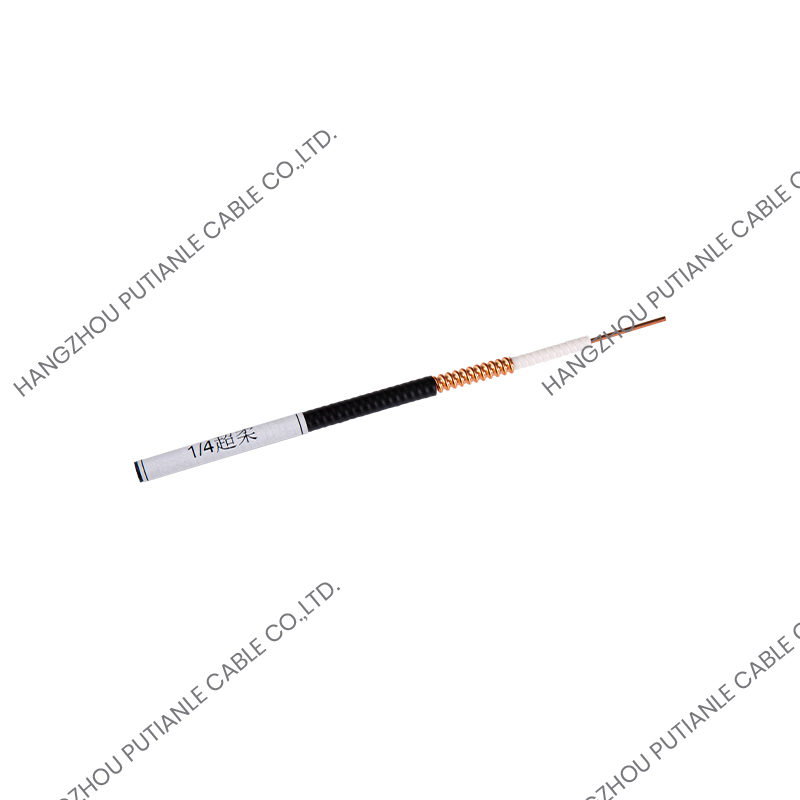
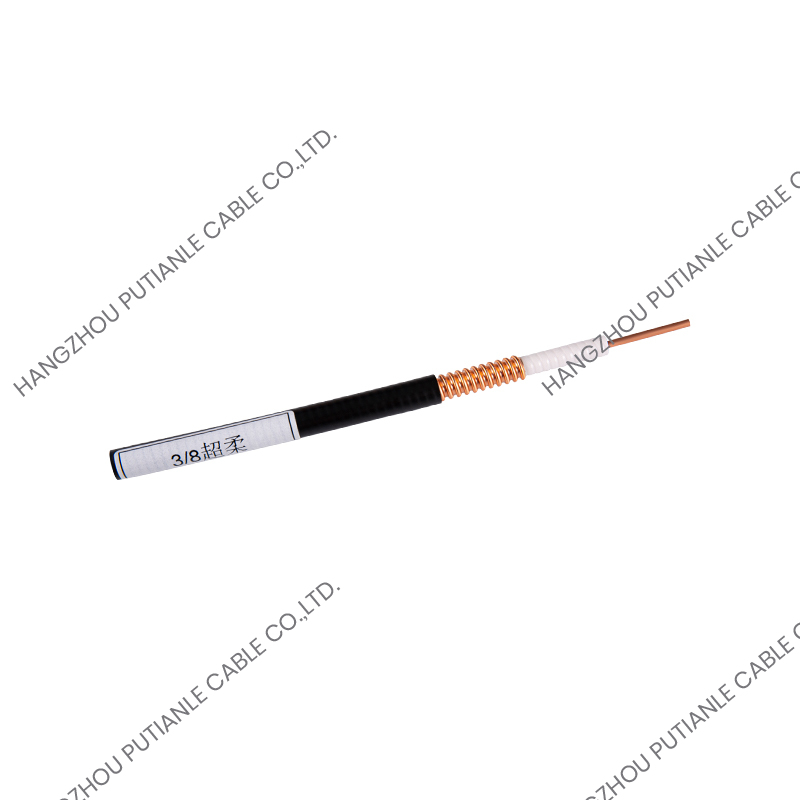
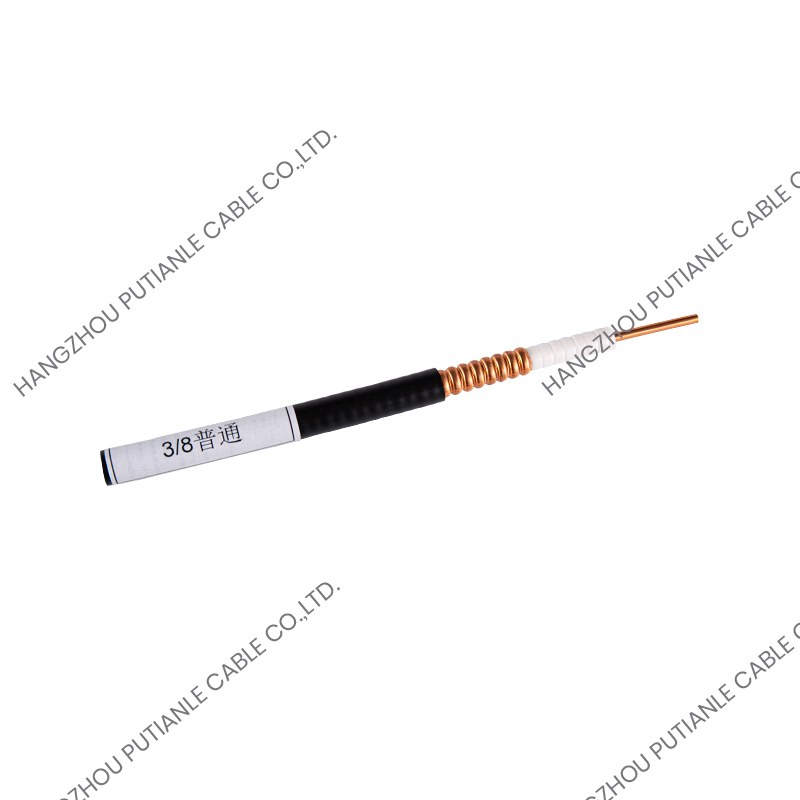
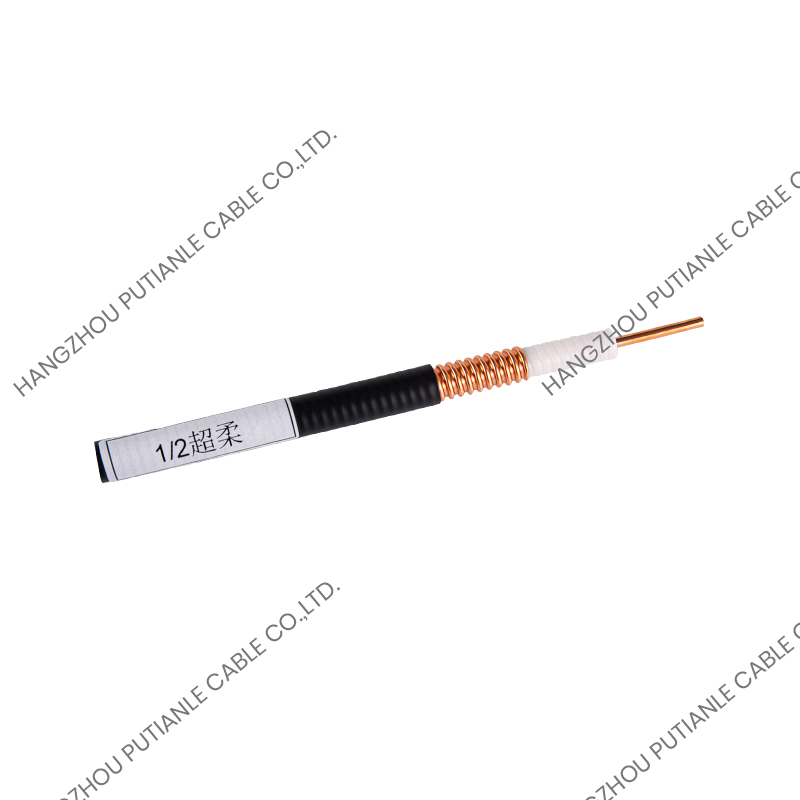
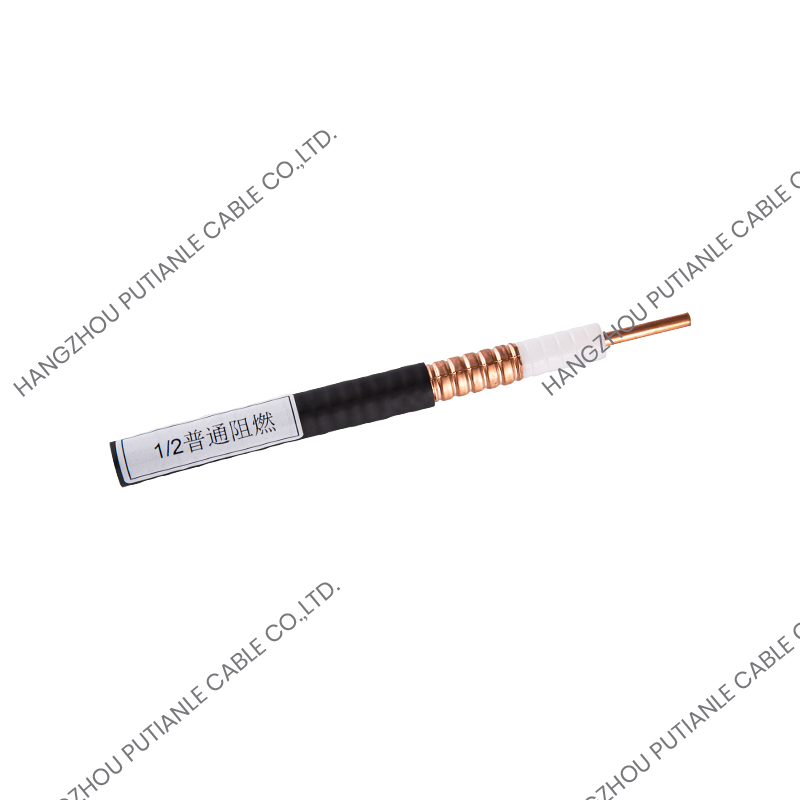
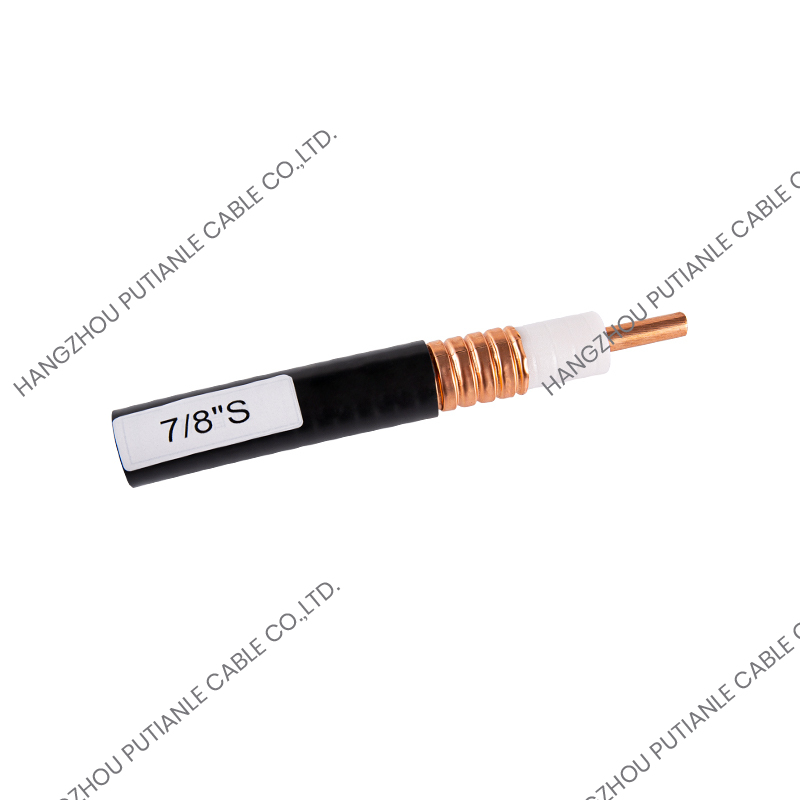
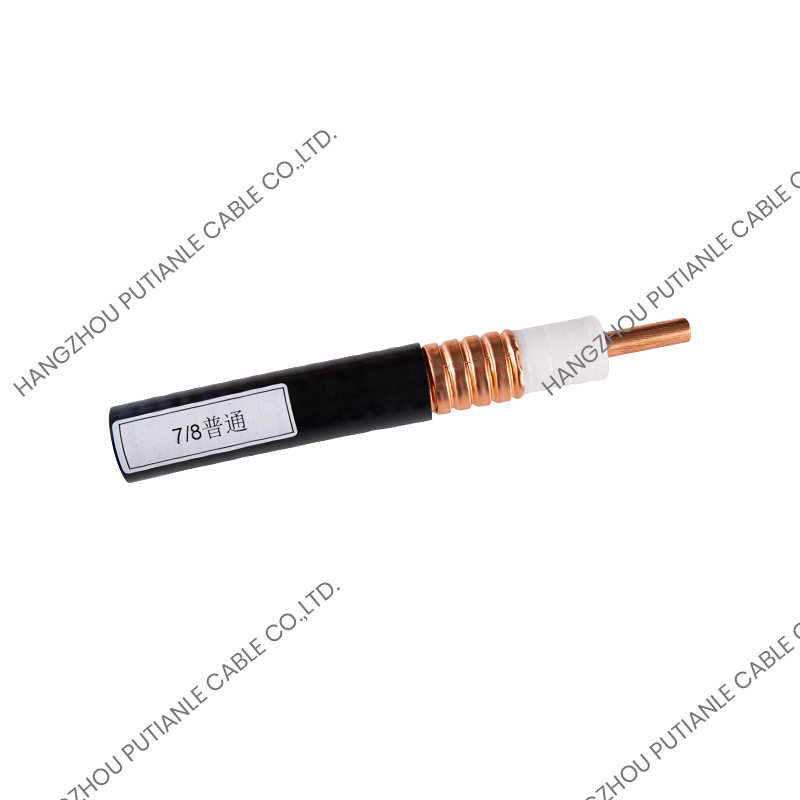
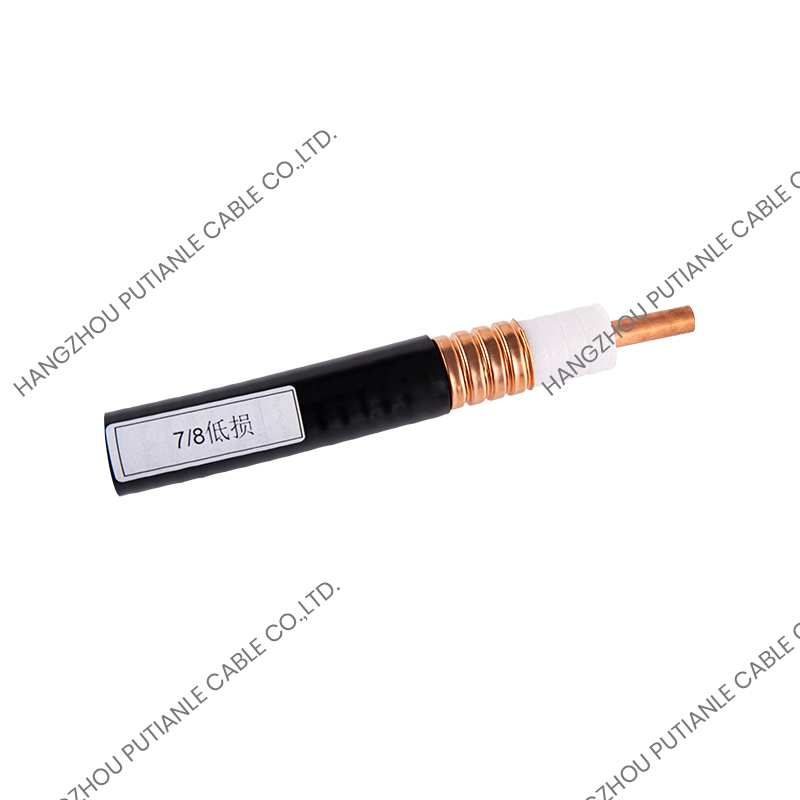
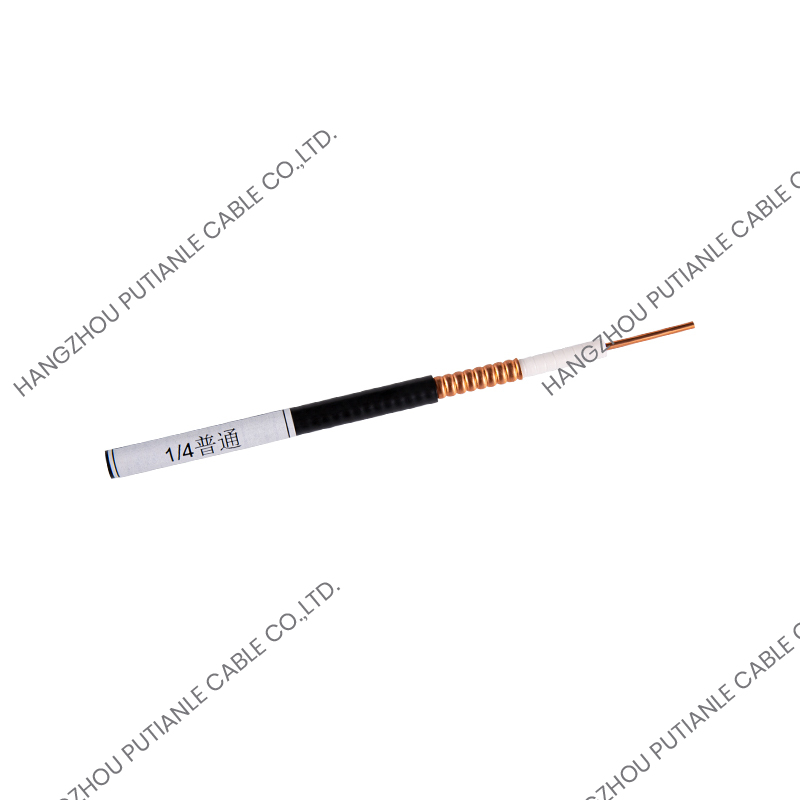
Coaxial cable, on the other hand, transmits data as electrical signals through a copper conductor at its centre. This central conductor is surrounded by an insulating layer, a metallic shield, and an outer plastic jacket. The shielding design helps reduce electromagnetic interference, making coaxial cable a relatively reliable medium for shorter-distance signal transmission. It has been a backbone of telecommunications infrastructure for decades and remains widely deployed in cable television networks, CCTV installations, and broadband internet connections in many parts of the world.
Speed and Bandwidth: A Clear Winner Emerges
When it comes to raw speed and bandwidth capacity, fibre optic cable holds a decisive advantage. Modern fibre installations can support speeds exceeding 100 Gbps, with cutting-edge deployments already testing speeds in the terabit range. This is made possible by the use of multiple wavelengths of light simultaneously — a technique known as wavelength-division multiplexing (WDM) — which effectively multiplies the data-carrying capacity of a single fibre strand.
Coaxial cable, while capable of supporting broadband speeds, is physically limited by its reliance on electrical signals. Standard coaxial cable used in residential broadband (such as DOCSIS 3.1) can deliver download speeds up to around 10 Gbps under ideal conditions, but real-world performance is typically much lower. For projects requiring future-proof, high-throughput connectivity — such as data centres, enterprise networks, or high-density residential developments — fibre optic is the clear choice.
Signal Integrity Over Distance
One of the most practical differences between these two cable types is how each handles signal loss over distance, a property known as attenuation. Coaxial cable suffers from significant signal attenuation, particularly at higher frequencies. In most installations, a coaxial signal begins to degrade noticeably after about 100 to 500 metres, depending on the cable grade and the frequency of the signal being transmitted. Amplifiers or signal boosters are often required for longer runs, adding cost and complexity.
Fibre optic cable, by contrast, experiences remarkably low attenuation. Single-mode fibre — the type used in long-haul telecommunications — can carry signals reliably for 40 kilometres or more without amplification. Even multimode fibre, which is commonly used for shorter runs within buildings and campuses, outperforms coaxial cable significantly in terms of distance. For projects that span large sites, multiple buildings, or extended geographic areas, this makes fibre optic the only practical option.
Immunity to Interference and Security
Coaxial cable is designed with shielding to reduce electromagnetic interference (EMI), and it performs reasonably well in environments with moderate electrical noise. However, it is not immune. In industrial settings with heavy machinery, near high-voltage power lines, or in environments with dense radio frequency activity, coaxial cable can still pick up interference that degrades signal quality. This can introduce noise into CCTV footage, cause packet loss in network connections, or disrupt cable TV signals.
Fibre optic cable is inherently immune to electromagnetic interference because it carries light, not electrical current. It can be run alongside power cables, through industrial facilities, or in any electrically noisy environment without any risk of interference. Additionally, fibre is more secure from a data interception standpoint. Tapping a fibre optic cable without detection is extremely difficult, making it the preferred choice for government, military, and financial institutions where data security is paramount.
Installation Complexity and Physical Handling
Coaxial cable is generally easier to install and terminate. The connectors — typically BNC, F-type, or N-type — are straightforward to fit with basic tools, and the cable itself is robust and forgiving. It tolerates moderate bending, is not overly sensitive to physical handling, and can be installed by technicians with general electrical training. This makes coaxial cable a practical choice for smaller projects, retrofitting existing buildings, or installations where specialist fibre skills are not available.
Fibre optic installation requires more care and specialist expertise. The cable must not be bent beyond its minimum bend radius, and the fibre ends must be precisely cleaved and polished to ensure low-loss connections. Fusion splicing — the most common method of joining fibre cables — requires dedicated equipment and trained technicians. However, pre-terminated fibre assemblies and push-pull connectors have made fibre installation increasingly accessible, and many structured cabling contractors now offer fibre installation as a standard service.
Cost Comparison: Upfront vs. Long-Term
Cost is often the deciding factor for many projects, and the picture here is more nuanced than it first appears. Coaxial cable is cheaper to purchase and install on a per-metre basis, and the associated hardware — connectors, splitters, amplifiers — is widely available at low cost. For small-scale projects with modest performance requirements, coaxial cable offers genuine value for money.
Fibre optic cable and associated equipment carry a higher upfront cost, but this gap has narrowed significantly in recent years. More importantly, fibre installations typically offer a lower total cost of ownership over the long term. Fibre does not corrode, is not affected by temperature fluctuations in the way copper is, and does not require the same level of ongoing maintenance or amplification infrastructure. For large-scale, long-duration, or performance-critical projects, the investment in fibre frequently pays for itself within a few years.
Side-by-Side Comparison
The table below provides a concise overview of the key differences between fibre optic and coaxial cable across the criteria most relevant to project planning:
| Feature | Fibre Optic | Coaxial Cable |
| Maximum Speed | 100 Gbps+ | Up to 10 Gbps (theoretical) |
| Effective Distance | Up to 40 km (single-mode) | 100–500 m |
| EMI Immunity | Complete | Partial (shielded) |
| Installation Difficulty | Moderate to High | Low to Moderate |
| Upfront Cost | Higher | Lower |
| Long-Term Value | Excellent | Moderate |
| Data Security | Very High | Moderate |
Which Applications Suit Each Cable Type?
Best Uses for Fibre Optic Cable
- Data centres and server room interconnects where high throughput and low latency are essential
- Campus and multi-building enterprise networks requiring long backbone runs
- Industrial environments with heavy electrical machinery or EMI-heavy conditions
- Telecommunications infrastructure and ISP backbone networks
- High-security facilities where data interception must be minimised
- New residential or commercial developments where future-proofing is a priority
Best Uses for Coaxial Cable
- CCTV and analogue or HD security camera installations over moderate distances
- Cable television (CATV) distribution within residential or small commercial buildings
- Retrofit projects where coaxial infrastructure is already in place and replacement is cost-prohibitive
- RF and antenna signal transmission for broadcast or communications equipment
- Short-run broadband connections where fibre is not yet available or required
Making the Right Choice for Your Project
The decision between fibre optic and coaxial cable ultimately comes down to the specific demands of your project. If you are working on a new installation that requires high bandwidth, spans significant distances, operates in a challenging electromagnetic environment, or needs to support growing data demands over the coming decade, fibre optic is the superior and more future-proof choice. The higher upfront investment is well justified by the performance, reliability, and longevity it delivers.
If your project is smaller in scale, involves retrofitting an existing coaxial infrastructure, or operates within a constrained budget where performance requirements are modest — such as a standard CCTV installation or a cable TV upgrade — coaxial cable remains a practical and cost-effective solution. It is a proven technology with wide industry support and straightforward installation characteristics that make it accessible to a broader range of installers.
In some projects, a hybrid approach makes the most sense. For example, a large commercial building might use single-mode fibre for its core backbone and vertical risers, while deploying coaxial cable for specific CCTV runs or legacy TV distribution systems. Understanding the strengths and limitations of each medium allows you to design a cabling infrastructure that is both technically sound and economically efficient — delivering exactly what your project needs today while leaving room to grow.