中文简体
中文简体 English
 Español
Content
Introduction to Aluminum Tube Cables
Aluminum tube cables are widely used in electrical power distribution due to their lightweight, cost-effectiveness, and adequate conductivity. Understanding how temperature and load affect their performance is critical for safe and efficient operation, especially in industrial and high-voltage applications. Proper selection and installation help prevent overheating, energy loss, and premature failure.
Thermal Effects on Aluminum Tube Cables
Temperature has a direct impact on the conductivity, resistance, and mechanical integrity of aluminum tube cables. As the operating temperature rises, aluminum’s resistivity increases, leading to higher energy losses and potential overheating.
Temperature Coefficient of Aluminum
- Aluminum has a positive temperature coefficient, meaning its electrical resistance increases with temperature.
- For every 10°C rise above 20°C, resistance increases by approximately 3–4%.
- High ambient temperatures or load-induced heating can reduce cable efficiency and limit current-carrying capacity.
Thermal Expansion and Mechanical Stress
- Aluminum expands more than copper when heated, potentially causing tension or loosening at connections.
- Repeated heating and cooling cycles can stress cable joints, leading to micro-cracks or oxidation over time.
- Design considerations, such as flexible connectors or expansion loops, mitigate thermal stress impacts.
Load Effects on Aluminum Tube Cables
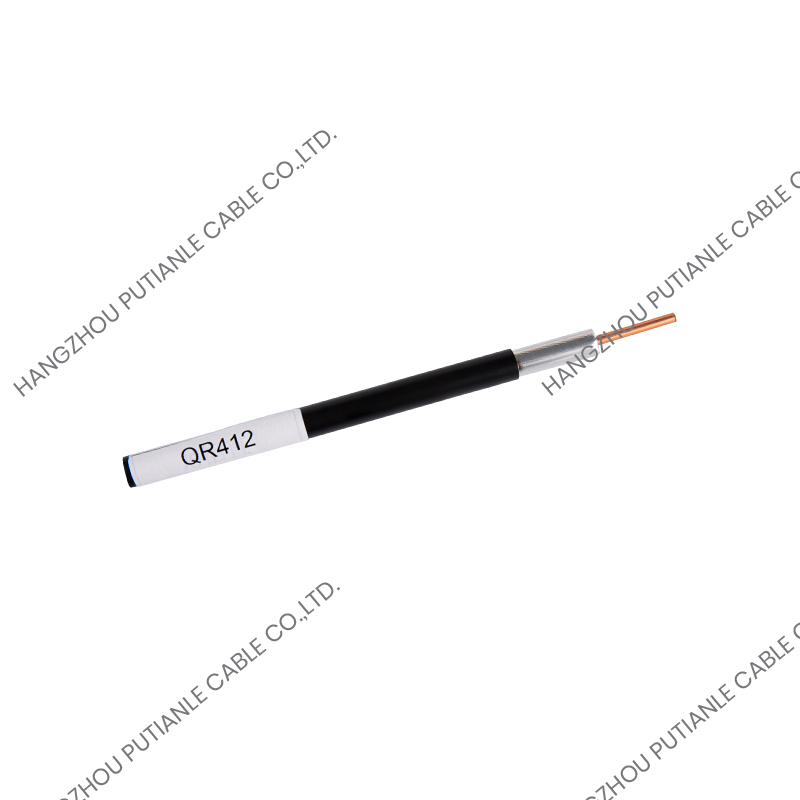
The electrical load carried by aluminum tube cables directly affects their temperature, voltage drop, and lifespan. Overloading can cause significant heating, reducing performance and safety.
Current Carrying Capacity
- Load current generates heat proportional to the square of the current (I²R losses).
- Exceeding rated current leads to overheating, accelerated aging of insulation, and potential fire hazards.
- Load must be calculated based on cable cross-section, ambient temperature, and installation conditions.
Voltage Drop Considerations
- Higher loads increase voltage drop along the cable length, affecting equipment efficiency.
- Excessive voltage drop may require upsizing the aluminum tube cable or using shorter runs.
- Design standards, such as IEC or NEC, specify acceptable voltage drop limits for industrial and residential applications.
Combined Effects of Temperature and Load
Temperature and load are interrelated factors. Higher current loads cause increased cable temperature, and higher ambient temperatures reduce safe current capacity. Understanding this synergy is critical for cable sizing and installation.
Derating Factors
- Cables are often derated in hot environments or when bundled with other cables.
- Derating tables help determine safe current-carrying capacity under combined thermal and load conditions.
- Ignoring derating can lead to overheating, insulation damage, and premature cable failure.
Safe Operating Limits
- Industrial aluminum tube cables typically have maximum operating temperatures between 90–105°C for insulated conductors.
- Continuous loads should maintain temperatures below this threshold to preserve insulation integrity.
- Periodic monitoring ensures cables do not exceed safe limits, even under fluctuating load conditions.
Material Considerations and Thermal Management
Material selection and thermal management strategies improve aluminum tube cable performance under varying temperatures and loads.
Aluminum Purity and Alloying
- High-purity aluminum offers better conductivity but lower mechanical strength.
- Alloyed aluminum improves tensile strength, making it more resilient under thermal expansion and mechanical stress.
- Choosing the right alloy balances conductivity, load capacity, and durability.
Insulation and Heat Dissipation
- Insulation materials must withstand both continuous operating temperatures and occasional overloads.
- Heat dissipation techniques, such as spacing between cables, ventilated conduits, or aluminum sheath designs, improve performance.
- Proper installation prevents localized hotspots and prolongs cable life.
Installation Practices for Optimal Performance
Correct installation is key to ensuring aluminum tube cables perform well under varying temperatures and loads.
Bending Radius and Handling
- Excessive bending can damage the aluminum tube and reduce load-carrying efficiency.
- Follow manufacturer guidelines for minimum bending radius and handling procedures.
- Secure cables to prevent mechanical stress during thermal expansion.
Connection Quality
- Proper termination reduces contact resistance, which otherwise contributes to heat generation.
- Use anti-oxidation compounds and correct torque settings to maintain safe connections.
- Periodic inspection ensures connections remain secure despite thermal cycling.
Conclusion
Aluminum tube cable performance is influenced by both temperature and load. Higher currents increase heat generation, while elevated ambient temperatures reduce allowable current capacity. Selecting the proper cable size, alloy, insulation, and installation method ensures safe operation, minimal energy loss, and long-term durability. Careful planning and monitoring are essential for maintaining optimal performance in industrial, residential, and renewable energy applications.