中文简体
中文简体 English
 Español
Content
- 1 What Fire Resistant Cables Are and How They Work
- 2 Applications Where Fire Resistant Cables Are Mandatory
- 3 What Coaxial Cable Is and How It Differs from Fire Resistant Designs
- 4 Fiber Optic Cables: Design, Advantages, and Fire Performance
- 5 Direct Comparison: Fire Resistant, Coaxial, and Fiber Optic Cables
- 6 Selecting the Right Cable for Your Installation
Cables are the circulatory system of any building, facility, or infrastructure network — they carry power, signals, and data to every connected system and device. But not all cables are engineered for the same conditions, and the distinction between fire resistant cables, coaxial cables, and fiber optic cables goes far deeper than the markets they serve. Each represents a fundamentally different engineering philosophy: fire resistant cables prioritize circuit integrity under extreme thermal stress; coaxial cables are optimized for controlled electromagnetic signal transmission; and fiber optic cables transmit information as light rather than electrical current, offering bandwidth and immunity to interference that copper-based cables cannot match. Understanding where these cable types overlap — particularly in critical infrastructure and life safety installations — and where their design priorities diverge is essential for engineers, installers, procurement professionals, and facility managers specifying cable for complex or high-stakes installations.
What Fire Resistant Cables Are and How They Work
Fire resistant cables are engineered to maintain electrical circuit integrity — the ability to continue conducting current — during and after direct exposure to fire for a defined period of time. This is a fundamentally different requirement from fire retardant cables, which are designed to resist the spread of flame along their length but do not necessarily maintain circuit function under direct fire exposure. The distinction is critical in life safety applications: a fire alarm system, emergency lighting circuit, or fire suppression control cable that loses circuit continuity the moment it is exposed to flame offers no protection at the moment it is needed most.
The fire resistance of these cables is achieved through a combination of conductor insulation material and cable construction that survives the thermal degradation of the outer jacket and conventional insulation layers. The most common approach uses mica tape — a mineral-based insulation material with extraordinary thermal stability — wrapped around each conductor beneath the primary insulation. When the outer jacket and conventional insulation burn away in a fire, the mica tape layer remains structurally intact, providing continued electrical insulation to the conductor and maintaining circuit continuity. Mica is chemically stable to temperatures above 1,000°C, far above the temperatures encountered in building fires (typically 800 to 1,000°C at peak intensity in a standard fire test), which is why mica-insulated construction reliably achieves the circuit integrity performance required by fire resistance standards.
Fire Resistance Standards and Classification
Fire resistant cables are tested and classified against standardized fire exposure curves and performance criteria that define the minimum acceptable circuit integrity duration. The most widely applied standards include IEC 60331 (the international standard for circuit integrity testing of cables under fire conditions), EN 50200 and EN 50362 (European standards for small and large fire resistant cables respectively), BS 6387 (the British standard that classifies cables by their ability to survive fire, water spray, and mechanical shock simultaneously — expressed as a three-letter code such as CWZ or BWX), and NFPA 70 Article 728 (the North American standard for fire resistive cables under the National Electrical Code). In the IEC and EN system, cables are classified by their circuit integrity duration — typically 30, 60, or 120 minutes — at a specified fire curve temperature. The most demanding classifications require the cable to maintain circuit integrity through direct flame exposure at 830°C or above for the full rated duration, combined simultaneously with water spray and mechanical shock in some standards, simulating the physical abuse cables may experience from firefighting operations and structural collapse during a building fire.
Applications Where Fire Resistant Cables Are Mandatory
Fire resistant cables are specified — and in many jurisdictions legally mandated — for electrical circuits whose continued operation during a fire directly affects occupant safety or enables emergency response. The specific circuit categories requiring fire resistant cable vary by national building code, fire safety standard, and occupancy type, but the following applications consistently require fire resistant cable across most regulatory frameworks.
- Fire detection and alarm systems: The wiring connecting fire detectors, call points, alarm sounders, and the fire alarm control panel must maintain continuity to allow fire detection, alarm activation, and panel monitoring to continue functioning throughout the evacuation period. Loss of this circuit in the early stages of a fire — before evacuation is complete — could prevent alarm activation in unaffected areas and disable monitoring of the fire's progression.
- Emergency lighting: Circuits supplying maintained and non-maintained emergency luminaires and exit signs must remain energized during a fire to guide occupants toward exits and provide illumination for emergency services. Both the supply cables from the emergency lighting distribution panel and, where applicable, the wiring to central battery systems require fire resistant classification.
- Fire suppression and smoke control systems: Control cables for sprinkler system zone valves, suppression system actuators, smoke damper motors, and pressurization fan controls must maintain circuit integrity to allow these systems to activate and operate correctly during a fire. Failure of these control cables under fire conditions could prevent suppression system activation at the precise moment the system is needed.
- Firefighter communication systems: In-building emergency responder communication systems (ERCS) — including bi-directional amplifier systems used to maintain radio communication between firefighters inside a building and incident command outside — require fire resistant cabling for the distribution network to remain operational throughout firefighting operations.
- Elevator recall and evacuation systems: Elevator control circuits that enable firefighter recall to a designated floor and evacuation lift operation for mobility-impaired occupants must remain functional under fire conditions, requiring fire resistant cable for all associated control and power wiring.
What Coaxial Cable Is and How It Differs from Fire Resistant Designs
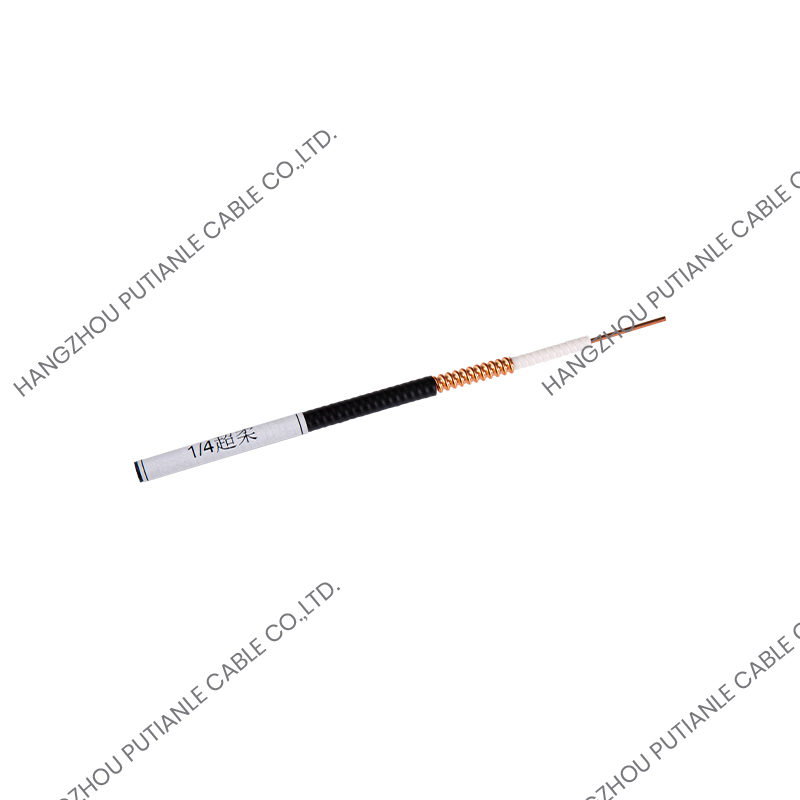
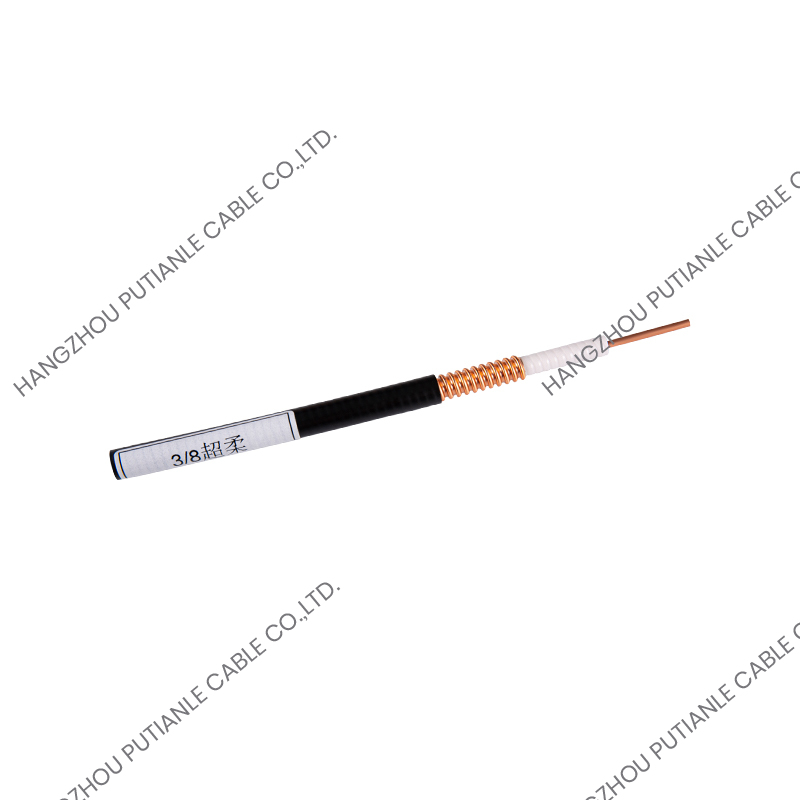
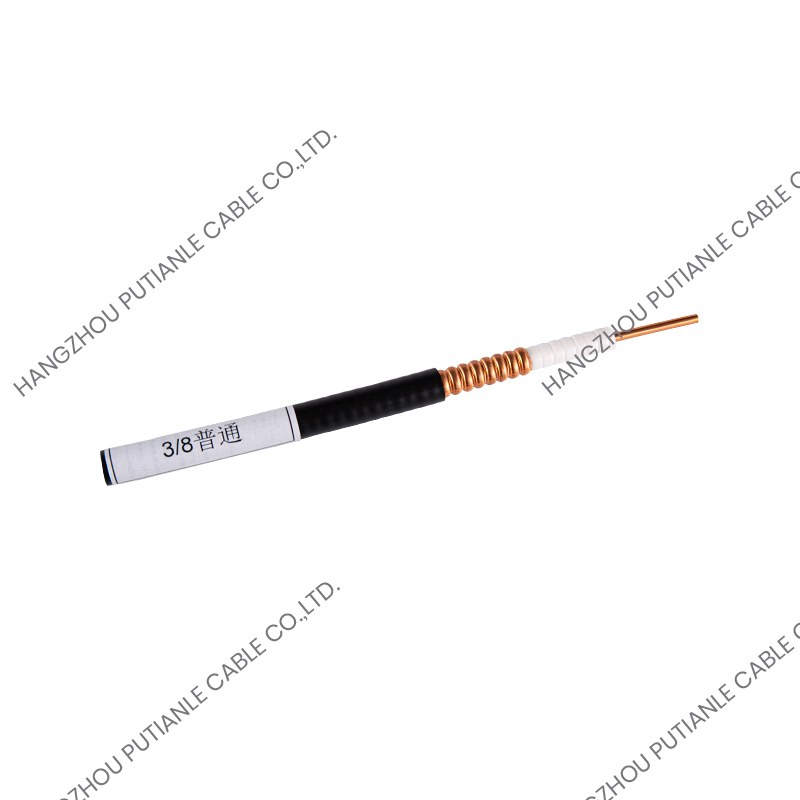
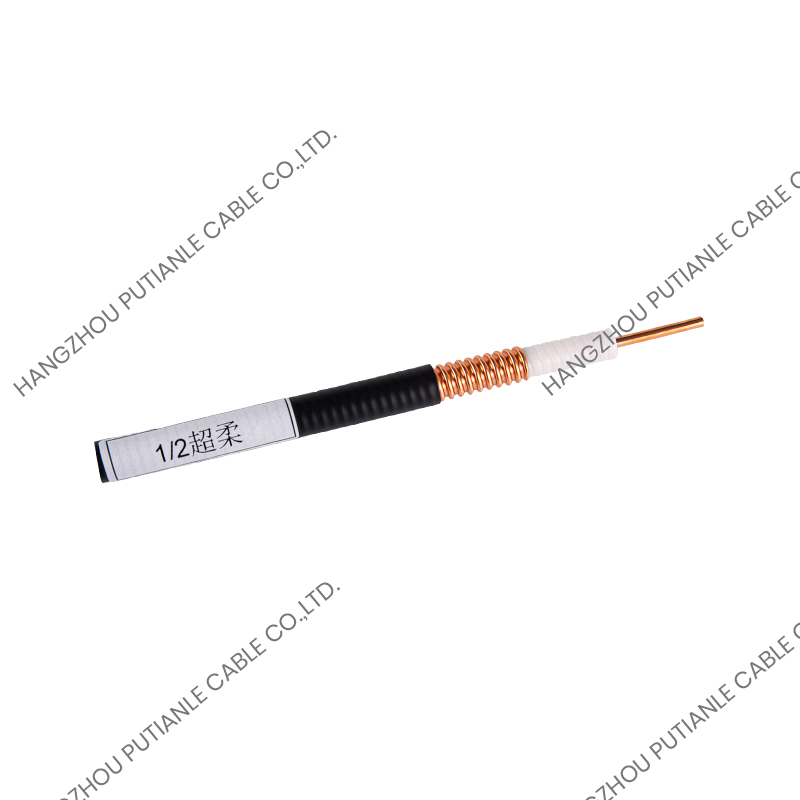
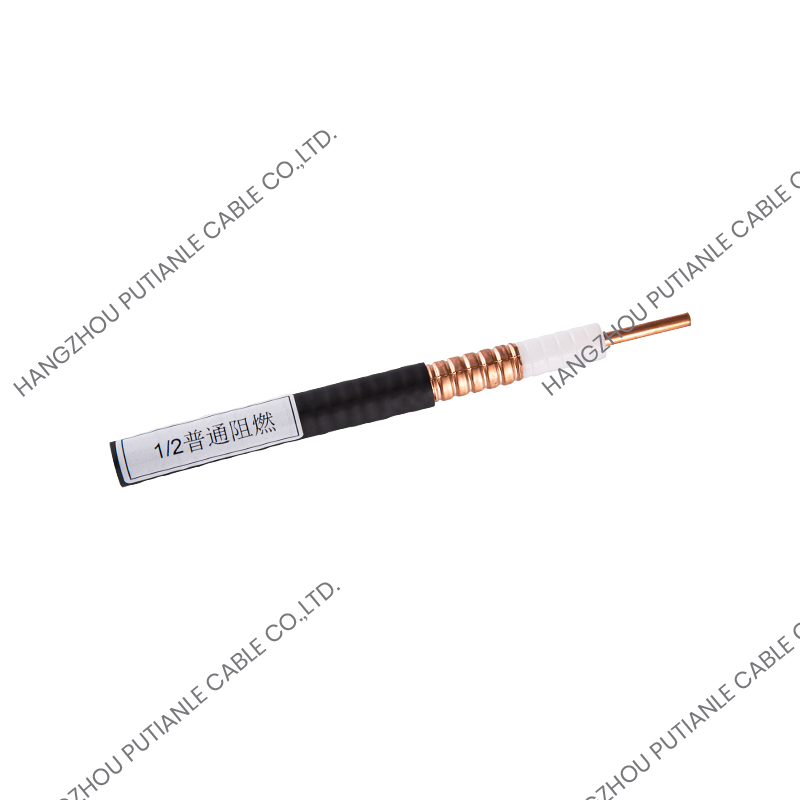
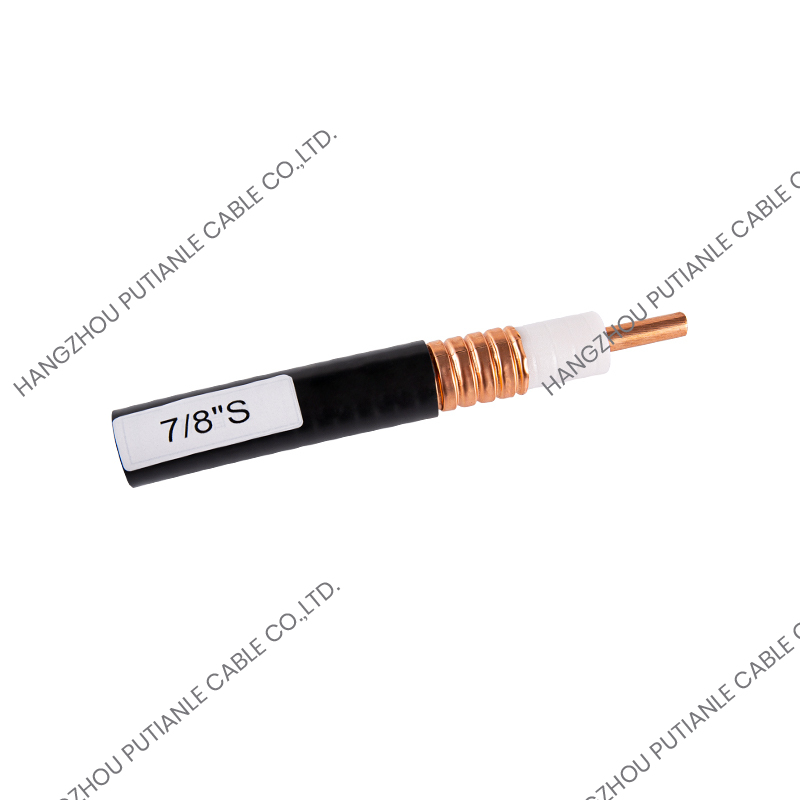
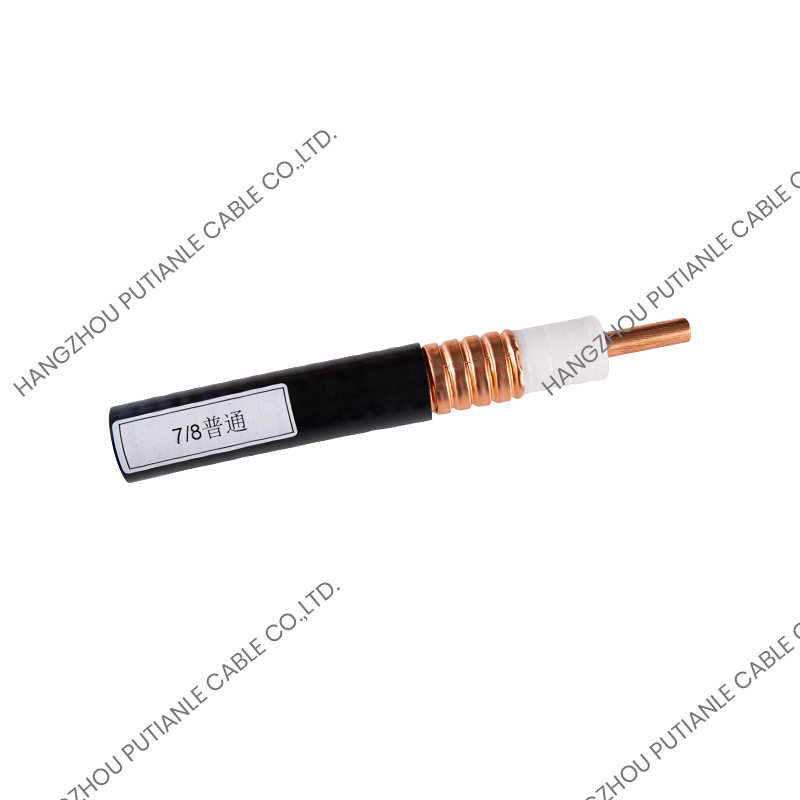
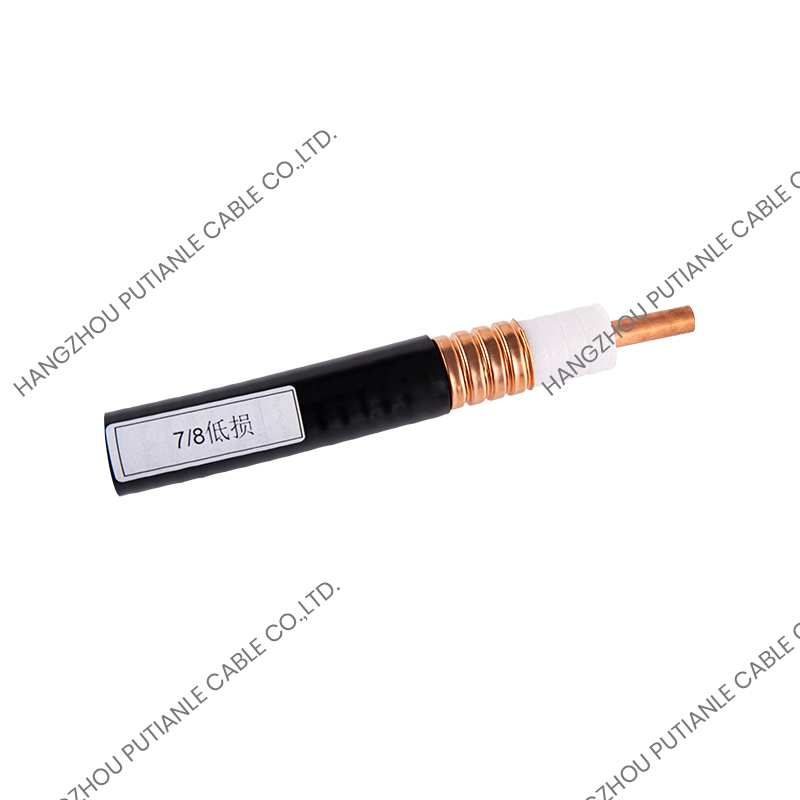
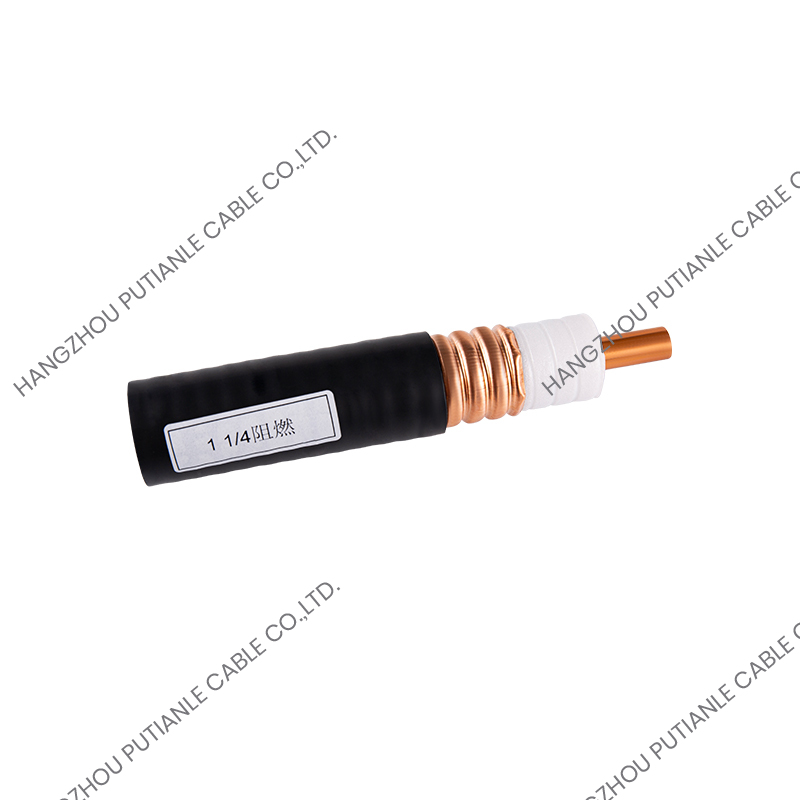
Coaxial cable is a transmission line structure consisting of a central conductor — either solid or stranded copper — surrounded by a dielectric insulation layer, then enclosed by a tubular outer conductor (the shield or braid), and finally protected by an outer jacket. The coaxial geometry — in which the inner and outer conductors share the same axis — creates a controlled transmission environment where the electromagnetic field of the signal is confined entirely between the two conductors, preventing radiation of signal energy outward and shielding the inner conductor from external electromagnetic interference. This controlled field geometry is what makes coaxial cable uniquely effective for radiofrequency (RF) signal transmission at frequencies from a few megahertz to several gigahertz, where unshielded conductors would radiate significant energy as antennas and suffer severe interference pickup.
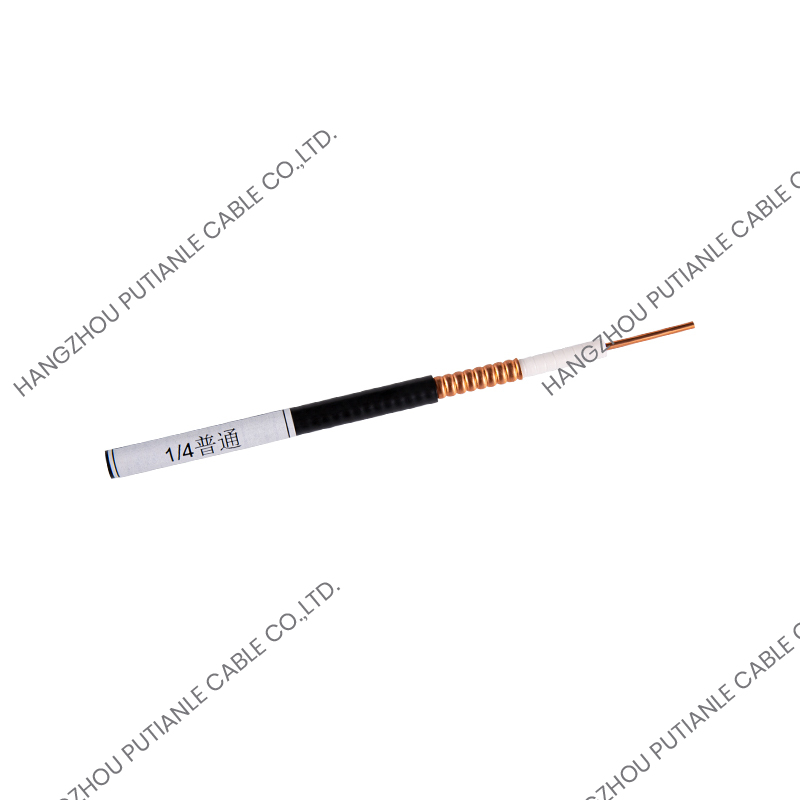
The primary performance parameter of coaxial cable for RF applications is its characteristic impedance — the ratio of voltage to current in a signal traveling along the cable — which is determined by the ratio of the outer to inner conductor diameters and the dielectric constant of the insulation material. Standard impedance values are 50 ohms (used for most RF and microwave signal transmission, instrumentation, and cellular antenna systems) and 75 ohms (used for cable television, broadcast, and video distribution systems). Mismatching impedances between a coaxial cable and the equipment connected to it causes signal reflections that degrade transmission performance — a problem that becomes increasingly severe at higher frequencies.
Fire Resistant Coaxial Cable: Where Both Requirements Converge
In certain building applications — particularly emergency responder radio coverage systems (ERCS) and distributed antenna systems (DAS) used for in-building public safety communication — the cable must simultaneously meet the transmission performance requirements of a coaxial cable and the circuit integrity requirements of a fire resistant cable. Standard coaxial cable construction uses polyethylene or PTFE dielectric materials and PVC or polyethylene jackets that ignite and fail rapidly in direct fire exposure, making standard coaxial cables entirely unsuitable as fire rated cable in these systems. Fire resistant coaxial cables address this through construction modifications — mica tape or mineral-filled ceramic polymer insulation around the inner conductor, enhanced shield construction, and low-smoke zero-halogen (LSZH) outer jackets — that allow the cable to maintain its RF transmission characteristics while achieving the circuit integrity duration required by the applicable fire standard. These specialized cables are more expensive and less flexible than standard coaxial types, which requires careful planning of routing to avoid tight bend radii that could damage the mineral insulation layers.
Fiber Optic Cables: Design, Advantages, and Fire Performance
Fiber optic cables transmit information as pulses of light through hair-thin strands of glass (silica) or plastic optical fiber rather than as electrical current through metal conductors. Each fiber strand consists of a core — the light-carrying region — surrounded by a cladding layer with a lower refractive index that causes light to be totally internally reflected within the core, keeping the signal confined along the fiber's length. This total internal reflection principle allows light to travel through the fiber even when it is bent, provided the bend radius remains above the fiber's minimum bend radius specification.
The two principal fiber types used in telecommunications and data networking are single-mode fiber (SMF) — with a very small core diameter (8 to 10 μm) that supports only one mode of light propagation, enabling very long transmission distances at high bandwidth — and multimode fiber (MMF), with a larger core (50 or 62.5 μm) that supports multiple propagation modes and is used for shorter-distance, high-bandwidth data center and campus network applications where the lower cost of multimode transceivers outweighs the distance limitation. The transmission capacity of fiber optic cable is orders of magnitude greater than copper-based alternatives — modern wavelength division multiplexing (WDM) systems carry hundreds of terabits per second over a single fiber pair — and the cable is immune to electromagnetic interference, generates no electromagnetic emissions, and can safely span long distances without the voltage drop and ground loop issues that constrain copper cable runs.
Fire Performance of Fiber Optic Cables
The fire performance of fiber optic cable is governed primarily by the jacket and buffer materials surrounding the glass fiber, since the silica fiber itself is non-combustible. Standard fiber optic cables use PVC or polyethylene jackets that burn and produce significant toxic smoke — a life safety concern in occupied buildings. For building installations, fiber optic cables are specified with LSZH (Low Smoke Zero Halogen) or LSOH jackets that self-extinguish when the ignition source is removed, produce minimal smoke, and do not emit the toxic halogen acids (hydrogen chloride from PVC) that cause incapacitation at much lower concentrations than are required to cause death from asphyxiation. In North America, fiber optic cables for building riser (between floors) and plenum (in air handling spaces) installations must carry riser (OFNR/OFCR) or plenum (OFNP/OFCP) ratings respectively under NFPA 70, which define the flame spread and smoke production limits for cables in these locations.
Unlike copper conductors in fire resistant cables — which must continue carrying current through fire exposure — glass fiber itself is not a fire resistant element in the sense that it maintains signal transmission after direct flame contact. Fiber optic cable exposed to direct flame will lose signal continuity as the buffer, jacket, and ultimately the fiber coating degrade. Where fire resistant fiber optic cable is required for critical backbone systems in life safety networks, specialized constructions using ceramic fiber reinforcement, stainless steel loose tube structures, or gel-filled armored designs provide significantly extended fire performance compared to standard fiber cable, though they still cannot match the temperature resistance of mica-insulated copper fire resistant cables under worst-case fire exposure conditions.
Direct Comparison: Fire Resistant, Coaxial, and Fiber Optic Cables
| Characteristic | Fire Resistant Cable | Coaxial Cable | Fiber Optic Cable |
| Primary Function | Power / control under fire | RF signal transmission | High-bandwidth data / telecom |
| Conductor Material | Copper | Copper (inner + shield) | Glass or plastic fiber |
| EMI Immunity | Low (unshielded types) | High (shielded construction) | Complete immunity |
| Max Bandwidth | Low (power / control) | Moderate (up to ~18 GHz) | Extremely high (Tbit/s range) |
| Circuit Integrity in Fire | Up to 120+ min (rated) | Poor (standard); rated types available | Poor (standard); limited rated types |
| Transmission Distance | Limited by voltage drop | Limited by signal attenuation | Up to 80+ km (SMF) |
| Typical Applications | Fire alarms, emergency lighting, suppression control | CATV, DAS, antenna feeds, RF test | Data centers, telecoms, campus networks |
Selecting the Right Cable for Your Installation
The selection framework for cables in complex building or infrastructure installations must begin with a clear understanding of the circuit's function, the regulatory requirements applicable to the installation location, and the physical environment the cable will occupy throughout its service life. Applying the wrong cable category — using standard coaxial cable where fire rated coaxial is required, or specifying standard fiber optic cable in a plenum space without the appropriate fire performance rating — creates regulatory non-compliance, insurance liability, and potentially fatal consequences in a fire emergency.
- Identify the circuit function and regulatory requirement first: Determine whether the circuit serves a life safety function that mandates fire resistant cable under the applicable building code and fire safety standard. In jurisdictions using IEC/EN standards, consult EN 50575 (the European harmonized standard for construction products cables) and the fire performance classification CPR (Construction Products Regulation) requirements. In North American installations, reference NFPA 70 (NEC) and NFPA 72 (National Fire Alarm and Signaling Code) for specific circuit wiring requirements.
- Match the fire resistance duration to the evacuation strategy: The required circuit integrity duration — 30, 60, or 120 minutes — should reflect the building's evacuation strategy and the duration for which life safety systems must remain operational. High-rise buildings with phased evacuation strategies typically require 120-minute circuit integrity for fire alarm and emergency communication systems; lower-rise buildings with simultaneous evacuation may accept 60-minute ratings for some circuit categories.
- For RF signal circuits in life safety systems, specify fire rated coaxial cable explicitly: In emergency responder communication systems (ERCS) and public safety DAS installations, the project specification must explicitly call out fire rated coaxial cable — not merely "coaxial cable" — for the distribution wiring within the building. The fire rated coaxial category is a specific product type requiring separate qualification against circuit integrity standards, and standard coaxial cable of any quality level does not meet this requirement regardless of its RF performance.
- For data backbone and horizontal cabling, select fiber optic or copper category cable based on bandwidth and distance requirements: Where fire resistance is not a circuit integrity requirement — data cabling for IT networks, for example — fiber optic cable is preferred for backbone runs exceeding 90 to 100 meters, high-bandwidth applications, environments with significant EMI, and secure facilities where signal interception is a concern. Copper category cable (Cat 6A or Cat 8) remains cost-effective for shorter horizontal runs where PoE (Power over Ethernet) delivery to endpoint devices is required, since fiber cannot carry power alongside data.
- Specify LSZH jacket material for all cables in occupied spaces: Regardless of cable type — fire resistant, coaxial, or fiber optic — specify Low Smoke Zero Halogen jacket construction for all cables installed in areas where occupants may be exposed to smoke from cable fires, including riser shafts, plenum spaces, and accessible ceiling voids. The smoke and toxic gas produced by burning PVC and polyethylene cable jackets has caused deaths in building fires where the cable fire load itself — rather than the structural fire — was the primary source of incapacitating gases.
Fire resistant cables, coaxial cables, and fiber optic cables are distinct engineering solutions that address fundamentally different requirements — thermal survival, RF transmission performance, and optical signal bandwidth respectively. Understanding where each is the correct specification, where specialized constructions bridge two requirement sets, and what regulatory framework governs the installation context is the foundation of cable selection decisions that protect both occupant safety and long-term system performance. No cable type is universally superior; each is optimal in its design context, and the most effective cable specifications are always those that start from the system requirement rather than from product familiarity or cost alone.