中文简体
中文简体 English
 Español
Content
Starting from a Real Procurement Question
When a system integrator receives a coaxial cable specification sheet, the first thing they usually look at is not the attenuation curve. They ask: is this a 50-ohm or 75-ohm cable? Then they check whether it is RG6, RG59, or QR540. This seemingly simple decision actually determines whether the entire link will work reliably. The conclusion is clear: the core of coaxial cable standards is a reproducible engineering language built around impedance, attenuation, shielding, and mechanical structure. Understanding these fundamentals matters more than memorizing any single brand or model number.
In our daily technical discussions at Putianle Cable, we have seen many cases where ignoring standard details led to rework. For example, a CCTV project used a cable with mismatched impedance, producing ripple patterns on the monitor. Another project over-prioritized flexibility in a base station feeder and failed to account for power capacity. Standards exist to help you avoid these pitfalls.
What Coaxial Cable Standards Really Mean
Coaxial cable standards are not a single specification. The common RG (Radio Guide) designation originated from U.S. military standards and later became a widely used industry shorthand, covering cables such as RG6, RG58, RG213, and RG214. The International Electrotechnical Commission (IEC) also defines a series of RF cable standards covering materials, dimensions, and test methods. Many projects in China directly reference broadcasting or telecommunication industry standards.
Standards allow different manufacturers to produce interchangeable cables and let engineers make decisions from known data sheets. When you see a cable labeled RG6, it represents not just a model name but also a range of impedance, center conductor diameter, dielectric material, and outer diameter. Similarly, the QR series aluminum-tube cables and RF series corrugated copper-tube cables are named by their construction, which directly reflects their intended use. If you want a more complete overview of coaxial cable categories, you can refer to this article on classification of coaxial cables rather than repeating it here.
Core Parameters That Define Performance
When analyzing coaxial cable standards, characteristic impedance comes first. 50-ohm cables are used in wireless communication systems, including base station feeders and RF equipment interconnects. 75-ohm cables are used for video, cable television, and CCTV. Why this distinction? Because impedance determines how much signal is reflected at transitions. 50-ohm offers a balance between power transmission and low attenuation, while 75-ohm is better suited for low-loss high-frequency video signals.
| Parameter | 50 Ohm | 75 Ohm |
|---|---|---|
| Typical applications | Wireless communications, RF feeders | Cable TV, CCTV, video transmission |
| Common product families | D-FB, PTL, RF series | RG series, QR series |
| Design focus | Power handling, low loss, bendability | Stable attenuation, shielding, long runs |
Attenuation and Shielding
Attenuation is the signal loss per 100 meters or 1000 meters, usually expressed in dB. The maximum attenuation values defined in standards directly affect the usable transmission distance. Shielding effectiveness relates to the cable's immunity to interference. Higher braid density means better shielding, but it also increases bending stiffness. For analog or digital video in CCTV, shielding often matters more than attenuation because external interference creates ghosting or streaks on the image.
Return Loss and VSWR
Return loss measures how much signal is reflected at a connection. The higher the number, the lower the reflection and the cleaner the transmission. Voltage Standing Wave Ratio (VSWR) is another expression of the same parameter and appears on most standard data sheets. For long-distance systems, these indicators are as important as attenuation, because reflections accumulate at multiple connectors and eventually degrade signal quality.
Comparing Common Standard Ratings
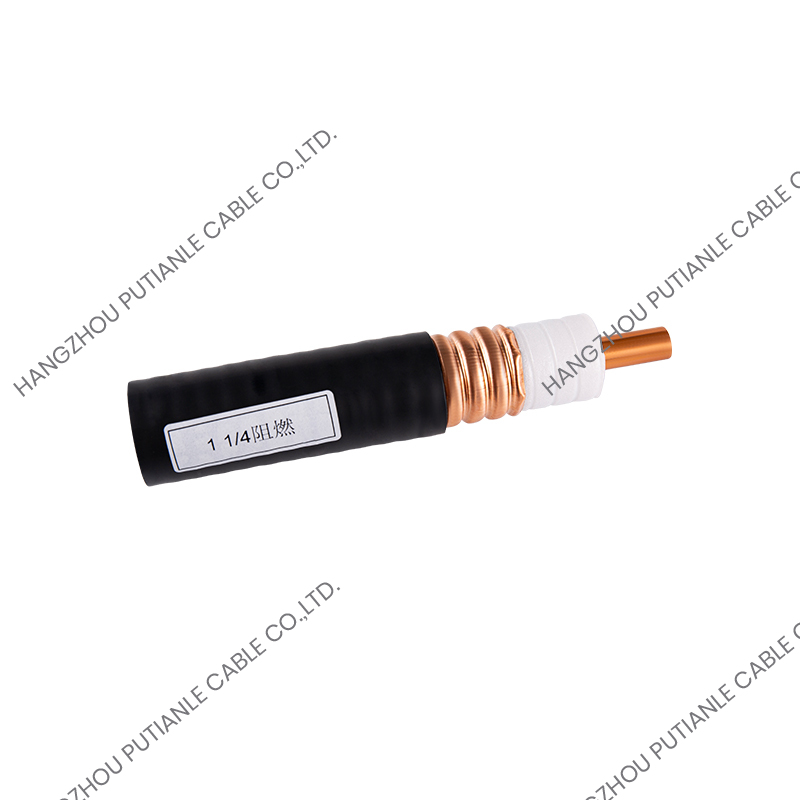
In the 75-ohm camp, RG6 is the most commonly used indoor and outdoor cable, with a thicker center conductor suitable for higher frequencies and longer distances. RG59 is thinner and cheaper, best for short runs. RG11 is thicker with lower attenuation, suitable for high-bandwidth or long-distance backbone. In the 50-ohm camp, corrugated tube cables are used for high-power feeders, while braided cables serve where repeated bending is required.
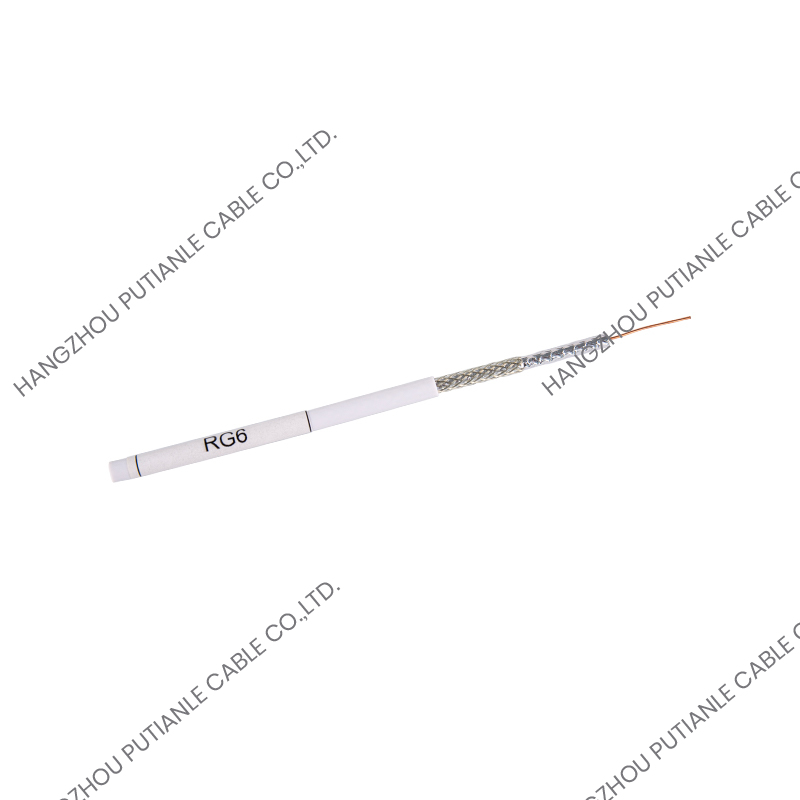 RG6 75-Ohm Braided Coaxial Cable for Standard InstallationsIdeal for home and commercial setups, this RG6 cable offers reliable 75-ohm performance with flexible jacket and copper conductor, suitable for TV, CCTV, and other common signal transmission needs.View Product →
QR Series Aluminum Tube Cable
If you need both outdoor backbone and indoor distribution in one project, QR series aluminum-tube cable is another common choice. The aluminum tube outer conductor provides excellent shielding and dimensional stability, making it a strong candidate for head-end links in cable TV and CCTV applications that need high shielding and low attenuation.
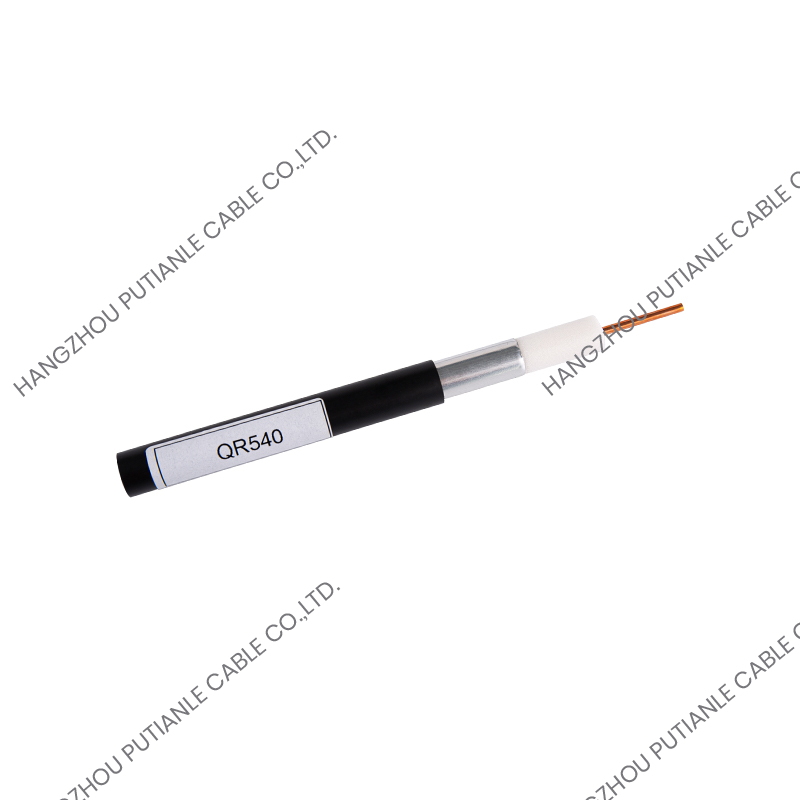 QR540 Aluminum Tube 75-Ohm Coaxial Cable for Outdoor UseWith an aluminum tube outer conductor, this cable provides sturdy shielding and weather resistance, making it suitable for outdoor and high-frequency applications where durability and signal integrity are key.View Product →
RF Series Corrugated Copper Tube Cable
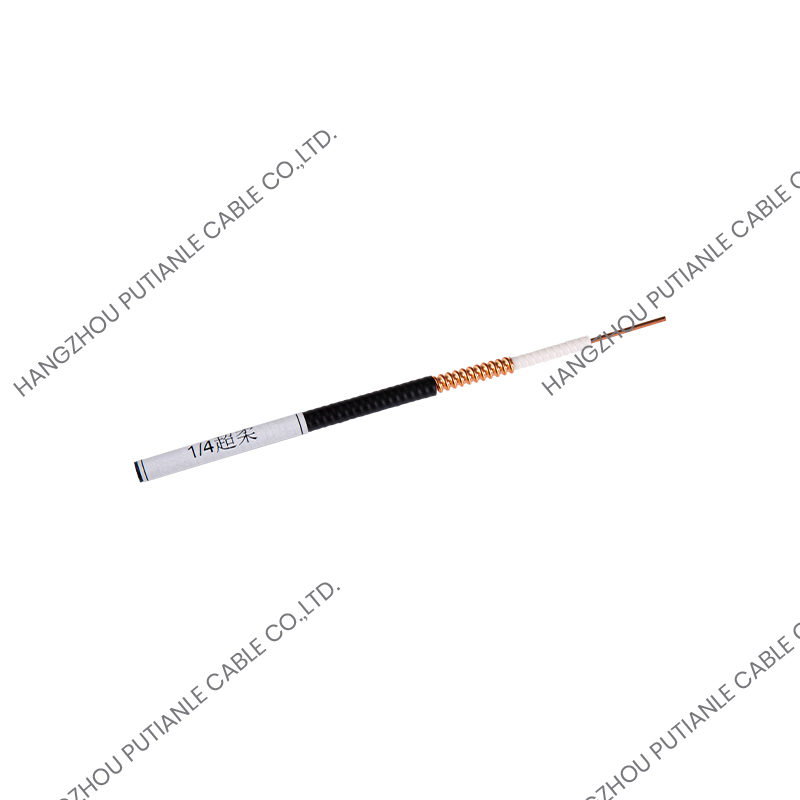
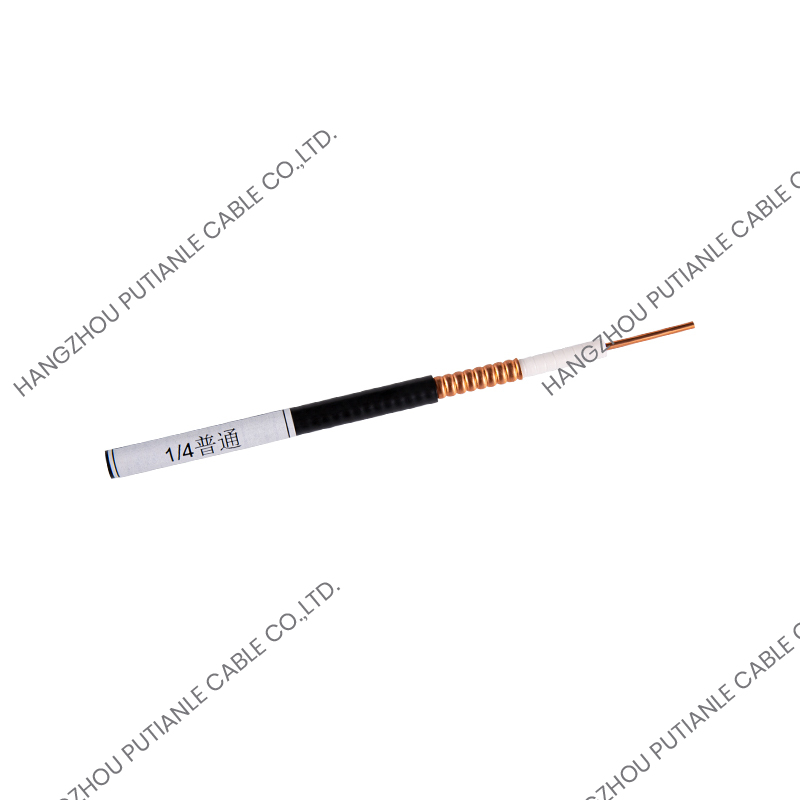
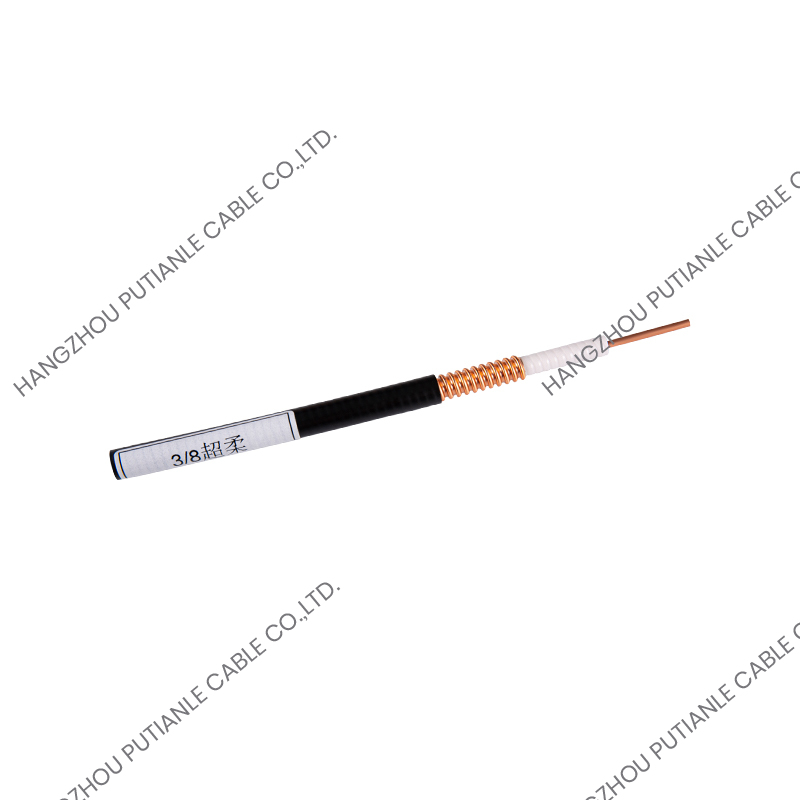
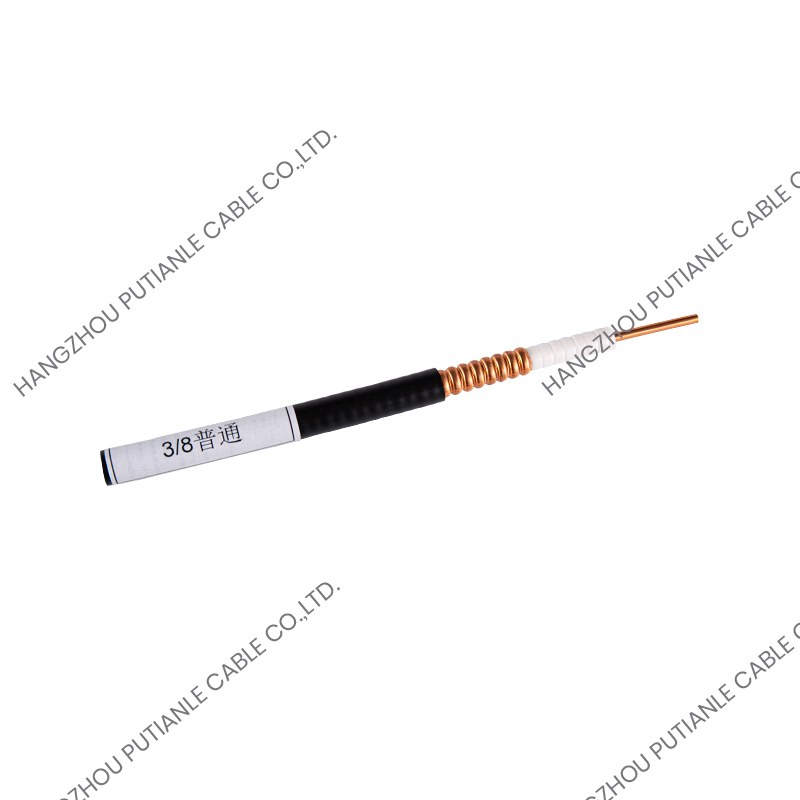
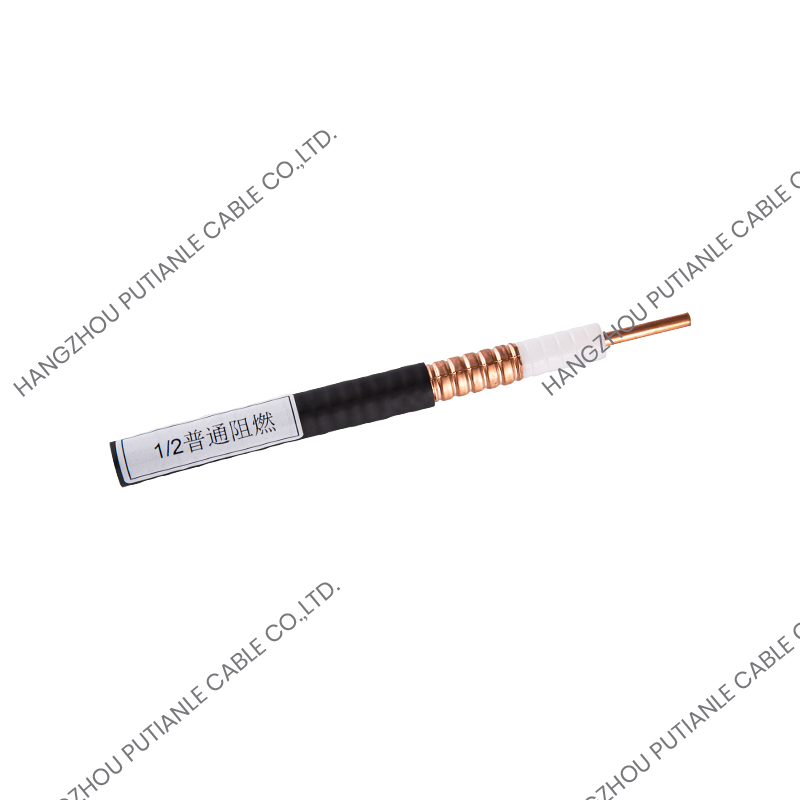
For 50-ohm RF links, RF series corrugated copper-tube cables offer low attenuation and high power capacity. The super-flexible versions also satisfy tight bend-radius requirements in indoor routing. Standard data tables usually list attenuation values and VSWR at specific frequencies, so you should verify the values against your actual operating band when sourcing.
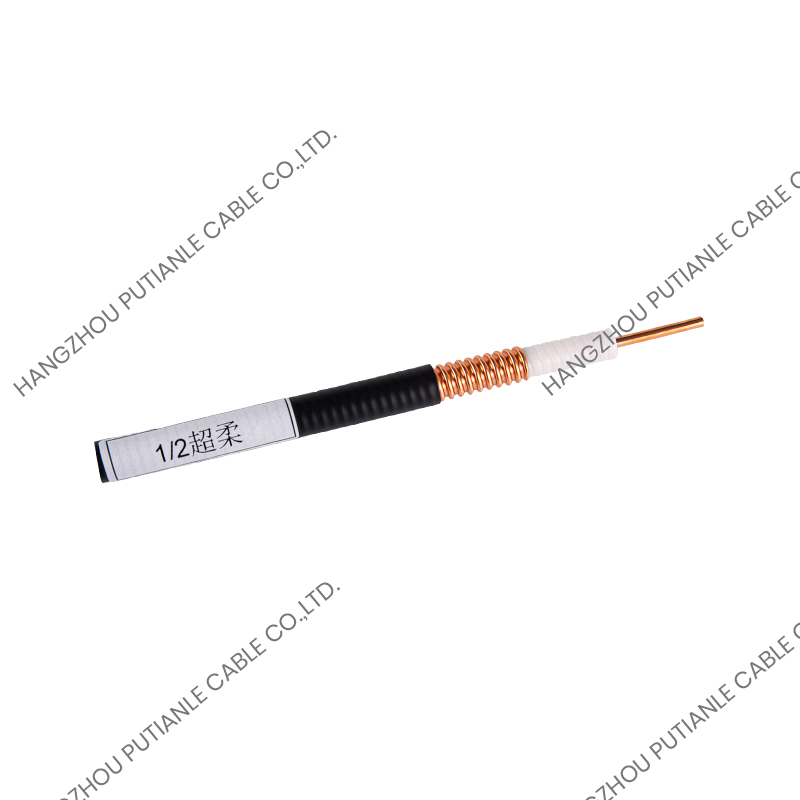 1/2-Inch Super-Flexible Corrugated Copper Tube 50-Ohm CableDesigned for tight bends and dynamic environments, this super-flexible cable maintains low signal loss and strong EMI shielding, fitting for broadcasting and industrial systems needing both flexibility and performance.View Product →
Practical Considerations for Procurement and Acceptance
Standards are not just numbers; they include tolerance. If impedance, attenuation, or construction dimensions vary too much between batches, the system can experience reflections that cause flickering images or intermittent communication. That is why it is important to check whether the manufacturer performs consistency testing.
In addition, certifications such as CE, RoHS, and broadcasting network access approvals help you assess environmental safety and compliance. For outdoor installations, moisture resistance, temperature range, and UV resistance are part of the standard requirements.
- Verify that the cable matches the connectors and equipment ports you already use.
- Confirm the braid density or shielding layer meets the electromagnetic environment on site.
- Check whether the bend radius fits the actual routing path, especially in tight indoor spaces.
- Compare the maximum attenuation values listed in the standard against your transmission distance and frequency range.
- For high-power feeders, also review power capacity and temperature rating.
Before placing an order, keep one thing in mind: leaving a performance margin for the final project is often better than chasing the absolute limit. For example, when the estimated distance is 200 meters, selecting an RG11 or QR series cable with better attenuation specifications instead of a cheaper RG59 can prevent the need for re-cabling or restarting the project later.
Conclusion
The value of coaxial cable standards lies in eliminating guesswork. Once you understand the difference between 50-ohm and 75-ohm, and can read an RG designation or a construction name, you are equipped to make reliable choices based on transmission distance and environmental constraints. Putianle Cable has been manufacturing coaxial cables for years, offering products from 50-ohm to 75-ohm and from braided to corrugated structures. Whether you are designing a CCTV system, a cable TV network, or a communication base station feeder, the standards themselves do not change. What changes is how you find the most suitable one among the product data sheets.