中文简体
中文简体 English
 Español
Content
A site manager once accepted a coaxial cable bid because the unit price came in 18 percent lower than the next offer. Six weeks later, the first 2,000 meters failed commissioning: return loss was marginal at the assigned frequency, the connectors would not seat correctly, and the jacket failed the project's smoke test. The replacement order erased the original saving and added three weeks to the schedule.
That sequence repeats across every industry that buys cable. The price per meter is the easiest number to compare and the least reliable indicator of what the cable will actually cost. A cable procurement strategy fixes this by turning a one-off purchase into a repeatable process built on clear specifications, structured supplier evaluation, total cost analysis, and supply risk control.
What a Cable Procurement Strategy Is
A cable procurement strategy is a structured framework for sourcing electrical, RF, and fiber cables. It covers four areas: specification control, supplier qualification, total cost of ownership, and supply risk management. The goal is not to find the lowest price per meter. The goal is to obtain a cable that performs as specified, arrives when the project needs it, and does not generate hidden rework or replacement costs.
Cable is a critical long-life component. It is pulled through conduit, buried, or fixed to towers, and replacing it after installation is expensive. For RF and coaxial products especially, the cable is part of the transmission path: impedance, attenuation, and shielding directly affect system performance. A strategy that treats cable as an undifferentiated line item will produce undifferentiated results.
The Cost Drivers That Tempt Buyers Off Course
Before comparing bids, understand what actually drives cable cost. Conductor metal is the largest material factor. Copper and aluminum prices follow the London Metal Exchange, and a quoted cable price is often valid for only a limited period. Jacket material, construction type, minimum order quantity, and testing requirements all add cost, but they also add value if specified correctly.
| Cost driver | How it affects a purchase |
|---|---|
| Conductor metal (copper, aluminum) | Price is volatile; the quoted rate may only be held for a few days. |
| Jacket material (PE, PVC, LSZH) | LSZH costs more but is often mandatory in public buildings and tunnels. |
| Construction type (braided vs. corrugated) | Corrugated outer conductors cost more but reduce attenuation on long feeders. |
| Minimum order quantity | Short custom production runs raise per-meter cost sharply. |
| Testing and certification | Third-party test reports add lead time but prevent costly field failures. |
The practical conclusion is that cost containment begins with a clear specification. If the requirement is vague, the supplier can only guess, and the cheapest bid is usually the one with the least confidence in the requirement.
Start With Specifications, Not Price
The first decision in any cable procurement is electrical design. For RF transmission systems, the characteristic impedance must match the system: 50 ohm for wireless base stations, radio links, and test equipment; 75 ohm for video, CATV, and CCTV. Choosing the wrong impedance creates standing wave ratio problems that no amount of connector tuning will fix.
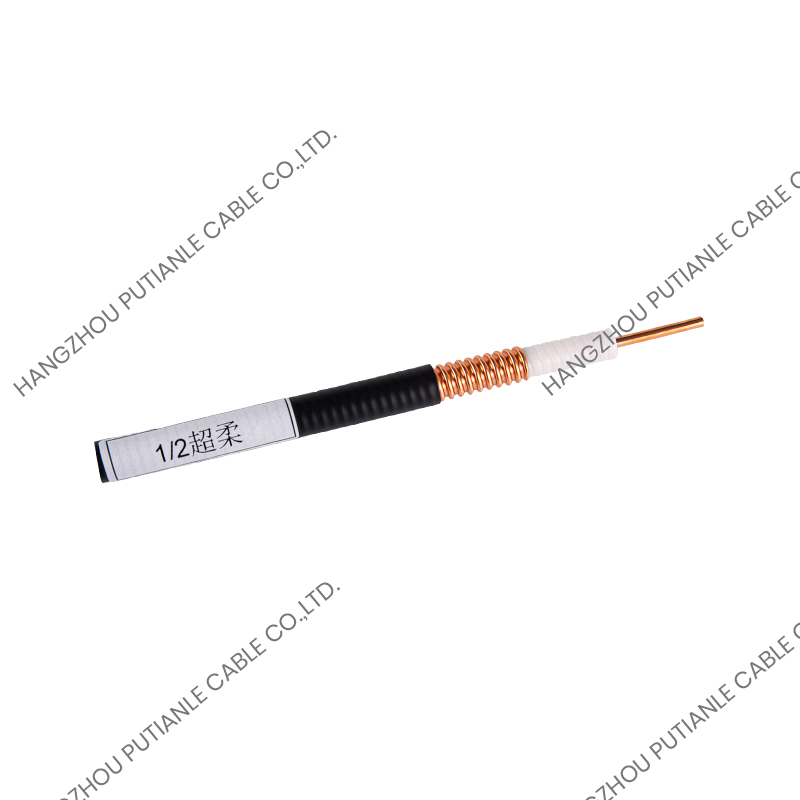
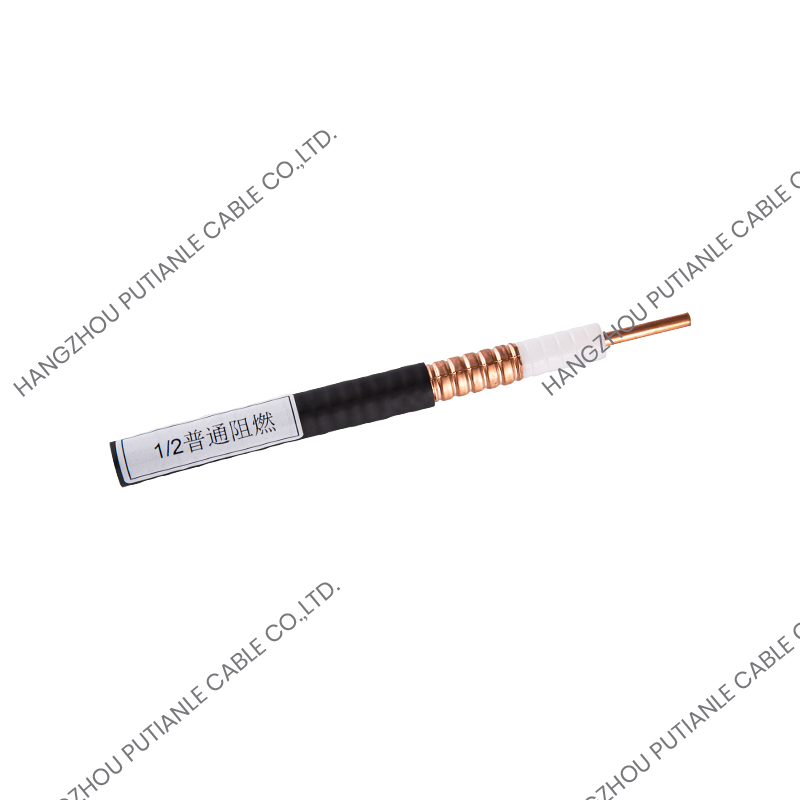
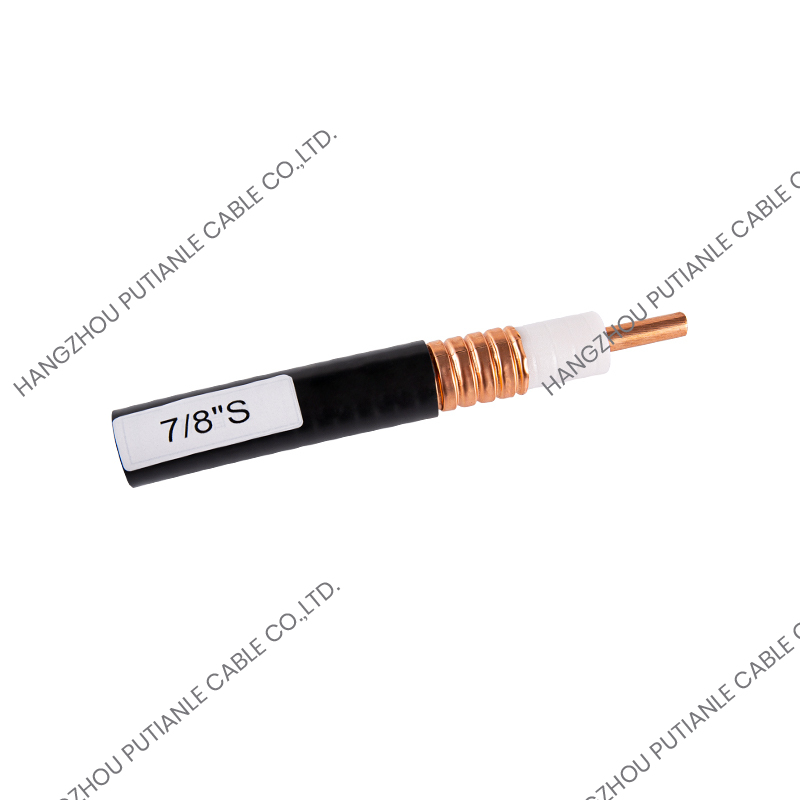
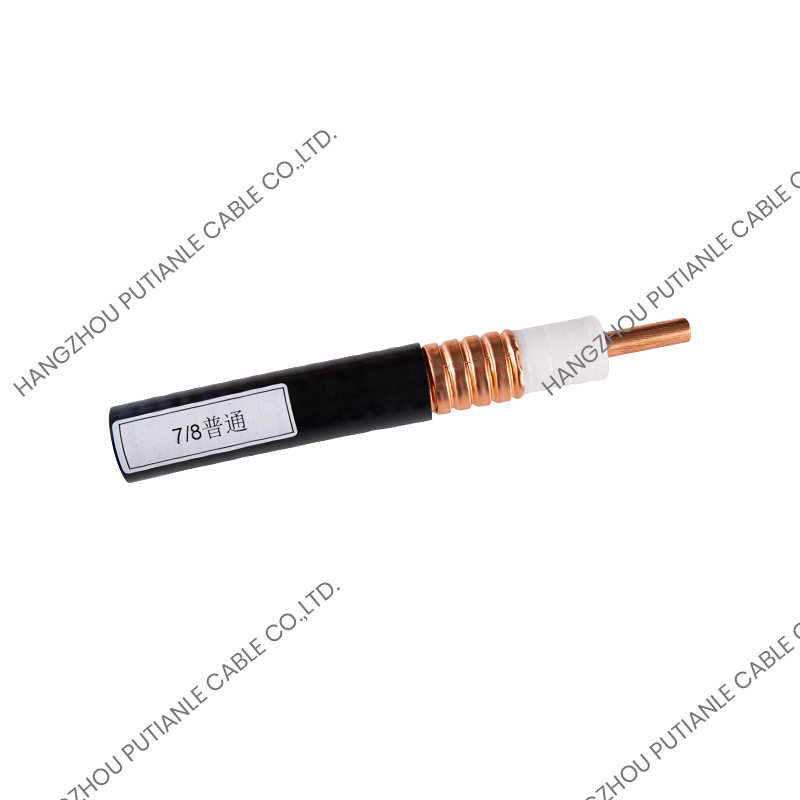
Next, decide the outer conductor construction. Braided cables, such as the flexible 50 ohm PTL series, are easy to route around equipment and suit short jumper runs and indoor connections. Corrugated aluminum or copper tube cables provide lower attenuation, better shielding, and more stable phase performance; they are the standard choice for feeder runs from a base station to an antenna. A 7/8-inch low-loss corrugated aluminum cable, for example, is a common specification when a site needs low attenuation over a 50-meter or longer vertical run.
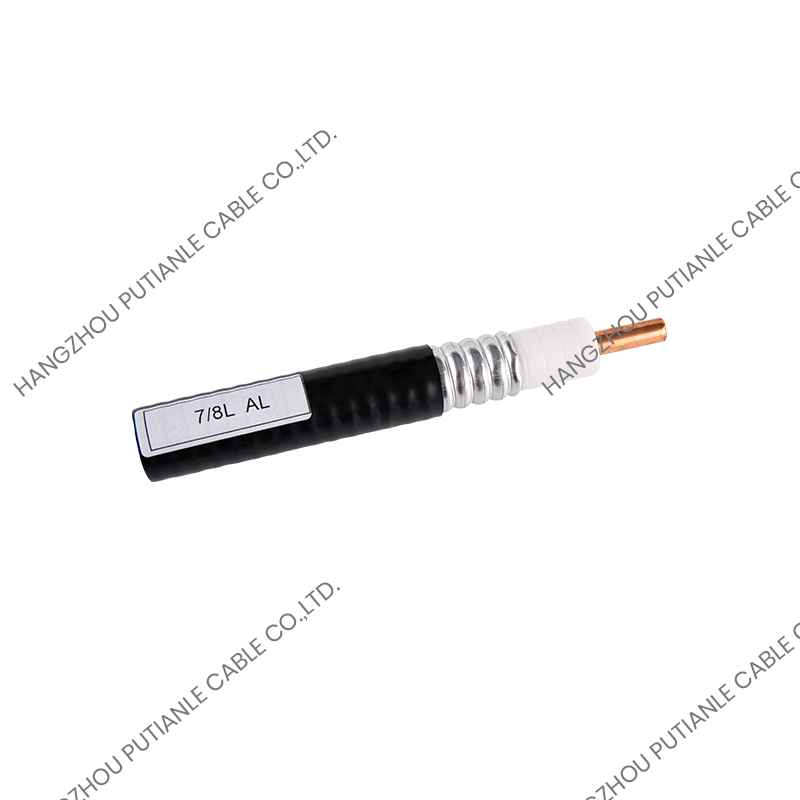 7/8" Low Loss Corrugated Aluminum Tube 50 Ohm Coaxial Cable Manufacturers, CustoHangzhou Putianle Cable Co., Ltd. is China Custom 7/8 inch Low Loss Corrugated Aluminum Tube 50 Ohm Coaxial Cable Manufacturers,Company,T...View Product →
This distinction matters more than many buyers realize, and it is worth reviewing a detailed overview of RF coaxial cable categories before writing the request for quotation.
Fire Safety and Jacket Specifications
Flame retardancy is a specification that is easy to overlook and hard to correct later. IEC 60332-1 covers vertical flame propagation of a single cable; IEC 60332-3 covers flame spread of a cable bundle. A cable that passes the single-cable test can still propagate fire when installed in a tray with dozens of others. Low-smoke zero-halogen materials reduce toxic smoke in enclosed spaces, which is why they are increasingly required in public buildings, tunnels, and data centers. Confirm which IEC flammability rating your project requires and write it into the specification before bids are collected.
Evaluate Suppliers With a Scorecard
Once the specification is fixed, the next trap is comparing bids on price alone. A supplier scorecard shifts the decision toward measurable criteria. The exact weighting depends on your application, but the categories below work well for most RF, coaxial, and fiber purchases.
| Criterion | Weight | What to verify |
|---|---|---|
| Technical compliance | 30% | Attenuation, VSWR, impedance, and shielding match the datasheet. |
| Manufacturing capability | 20% | In-house production lines, extruders, braiders, and testing equipment. |
| Quality certifications | 15% | ISO system certification, CE/RoHS, and application-specific product approvals. |
| Delivery track record | 15% | On-time rate and lead time stability over the last 12 months. |
| After-sales support | 10% | Technical assistance, documentation, samples, and warranty handling. |
| Price competitiveness | 10% | Unit price plus transparency of the cost breakdown. |
Weighting price at only 10 percent may feel aggressive, but it is deliberate. A difference of a few percent in unit price is small compared with the cost of a field failure or a delayed shipment. If the buying organization has the resources, a factory audit adds real evidence: check whether the extrusion line actually runs the jacket material specified, whether the braiding density matches the datasheet, and whether every reel is tested before shipment.
For projects that need flexible RF connections inside cabinets or between equipment, a product such as the PTL400 braided coaxial cable shows what an in-house production line should be able to specify: consistent impedance, controlled attenuation, and a jacket that survives repeated bending.
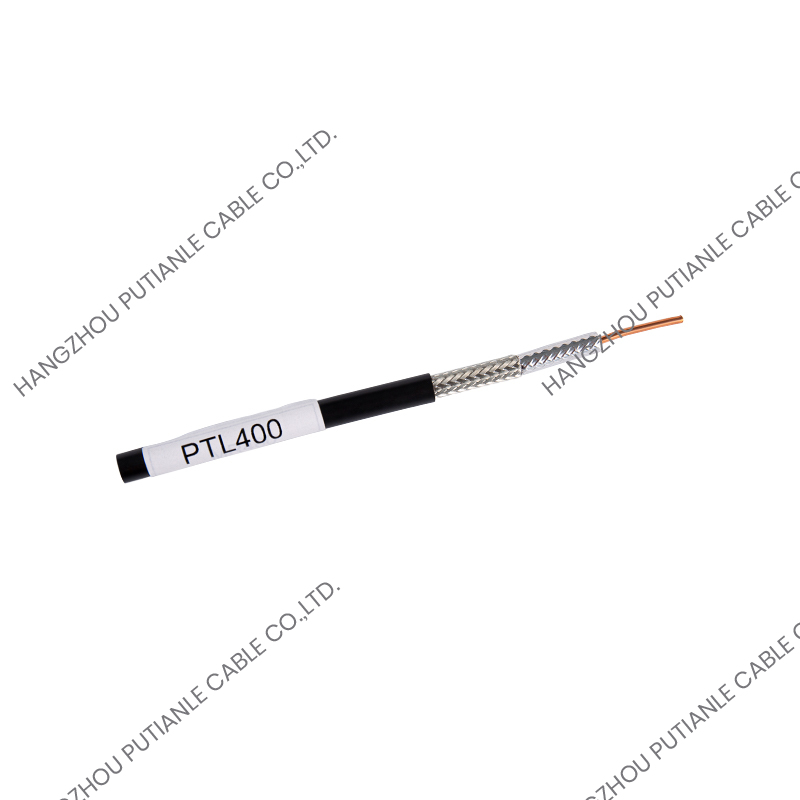 LMR400 Outer Conductor Braiding Coaxial Cables Manufacturers,CompanyPutianle Cable is China LMR400 Braiding Coaxial Cables Manufacturers, PTL400 Outer Conductor Braiding Cables Company,Wholesale PTL400 , L...View Product →
Model Total Cost of Ownership, Not Unit Price
The unit price of a cable is often less than half of what the cable costs once installation, termination, and risk are included. A TCO model captures the rest.
Termination is the first hidden cost. A coaxial cable is only as good as its connectors, and mismatched connector families or poorly chosen jumpers create return loss and mechanical failures. Ordering cables, connectors, and jumpers from sources that cannot guarantee matching dimensions multiplies the risk. For a 75 ohm trunk or distribution network, a stable construction like the QR540 aluminum-tube cable reduces the number of variables because the rigid outer conductor holds its shape through installation and maintains consistent performance at the connector interface.
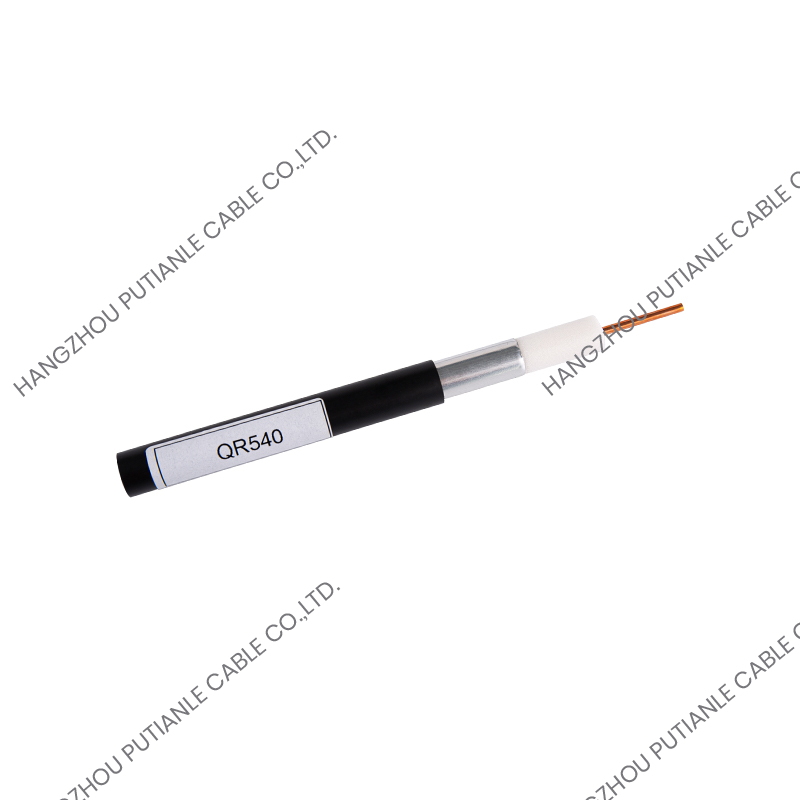 QR540 Wear Resistant 75 OHM Aluminum Tube Cable Manufacturers, Custom CompanyHangzhou Putianle Cable Co., Ltd. is China Custom QR540 Wear Resistant 75 OHM Aluminum Tube Cable Manufacturers,Company,Unveil the QR540 ...View Product →
Installation labor is the second cost. Flexible cables save routing time in crowded cabinets; rigid corrugated cables save money on long outdoor runs where low attenuation matters more than bend radius. The correct choice is not the cheaper product, but the one that matches the physical path and the electrical budget.
Rework is the third cost and the most expensive. A single site visit to replace a defective cable run can exceed the value of an entire order. This is why environmental durability deserves attention before the purchase, not after a failure: temperature extremes, moisture, and ultraviolet exposure all degrade jacket materials and dielectric performance. Buyers who specify for their climate, review environmental factors to consider when choosing fiber optic cables, and request relevant test data avoid the most expensive procurement mistake, which is buying on price and installing twice.
Manage Supply Risk in the Contract
Delivery risk is part of the procurement strategy. Copper prices move daily, and lead times for corrugated and custom products can stretch to several weeks. A framework agreement with a qualified supplier should cover three points: a price adjustment formula tied to the metal index, a confirmed lead time for each product family, and a minimum stock level for frequently reordered items.
Buying in bulk is often proposed as the solution to both cost and supply risk, and it works when the specification is stable. But bulk buying only saves money if the product does not have to be re-specified or replaced later. Standardize first, then consolidate volume. Splitting orders between two qualified suppliers also protects against a single production failure, but only if both suppliers build to the same specification and the same test standard.
Practical Takeaways
- Write the specification before inviting bids; impedance, construction, and jacket grade are non-negotiable inputs.
- Use a weighted scorecard so price cannot override technical compliance and delivery history.
- Model the total cost, including connectors, installation labor, and the cost of a possible field failure.
- Align cables, connectors, and jumpers from the same product system to reduce interface problems.
- Lock lead times and metal price adjustment clauses into the contract, not the delivery note.
A cable procurement strategy does not make the purchase decision complicated; it makes it predictable. Buyers who skip it pay in rework and delays. Buyers who use it get a cable that performs, arrives on time, and costs what they planned.