中文简体
中文简体 English
 Español
Content
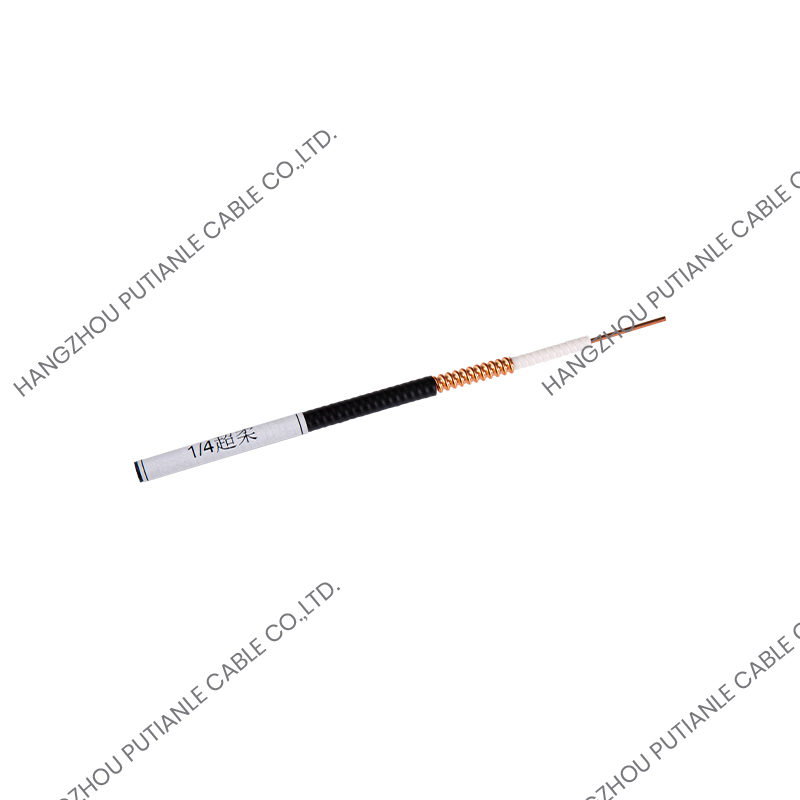
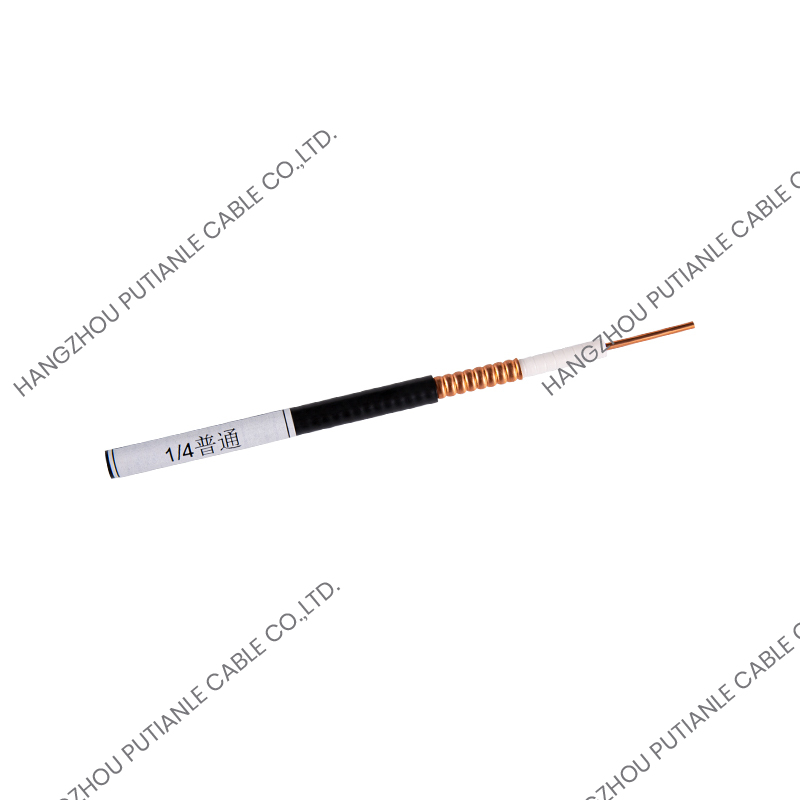
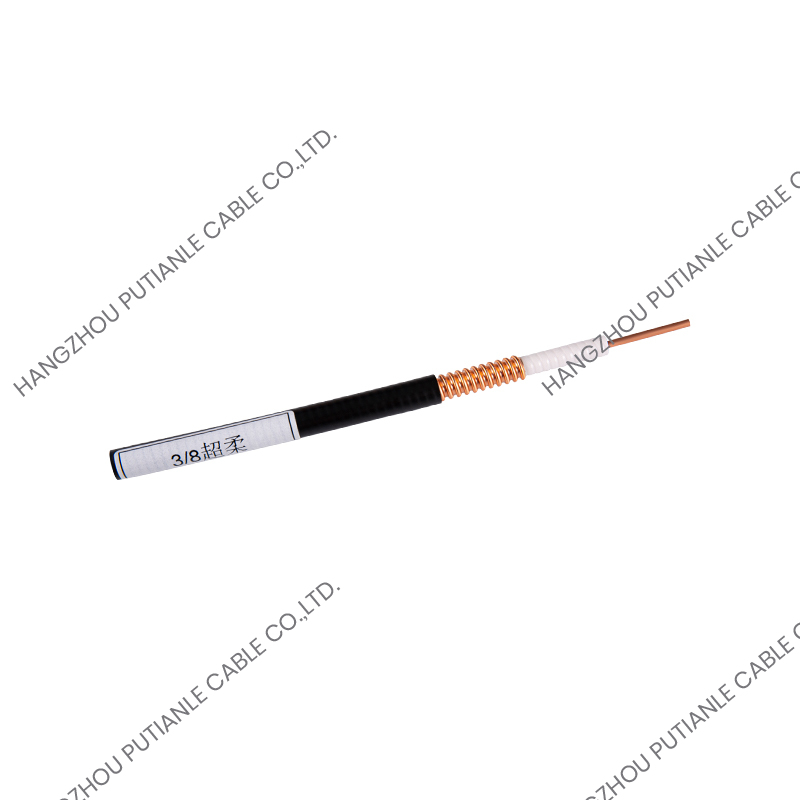
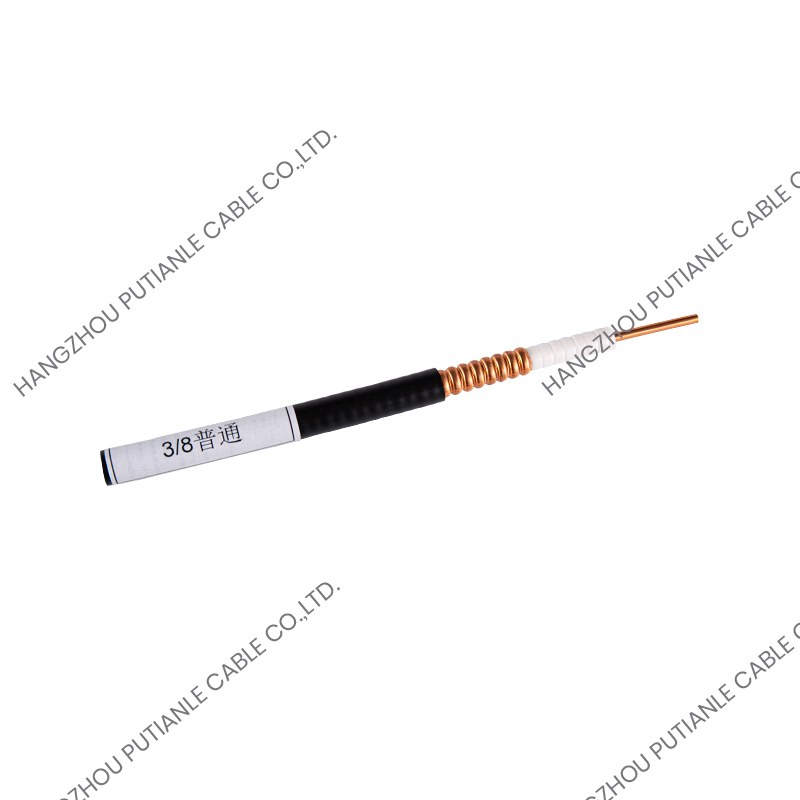
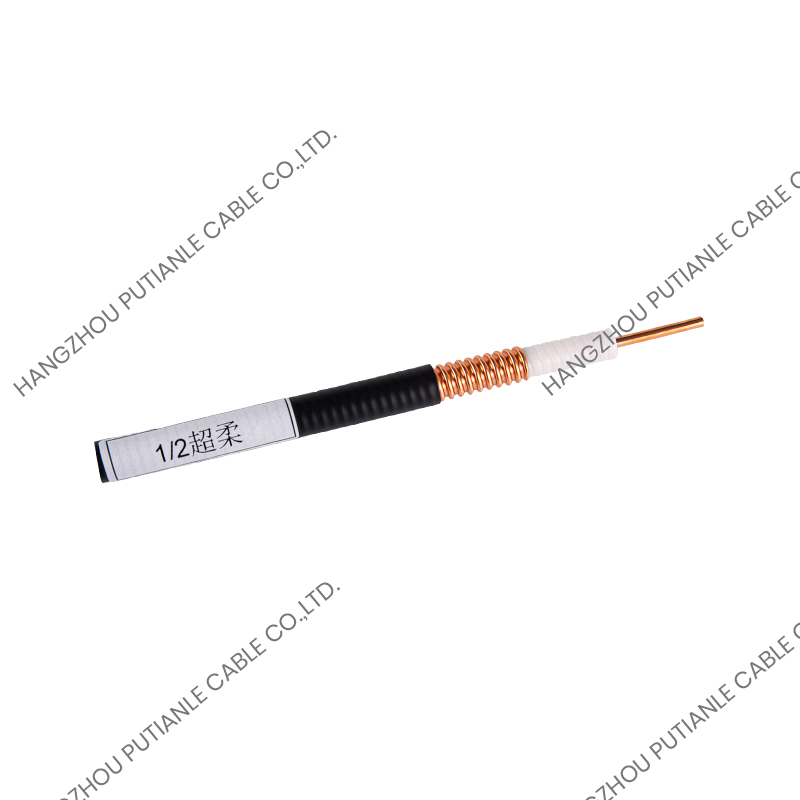
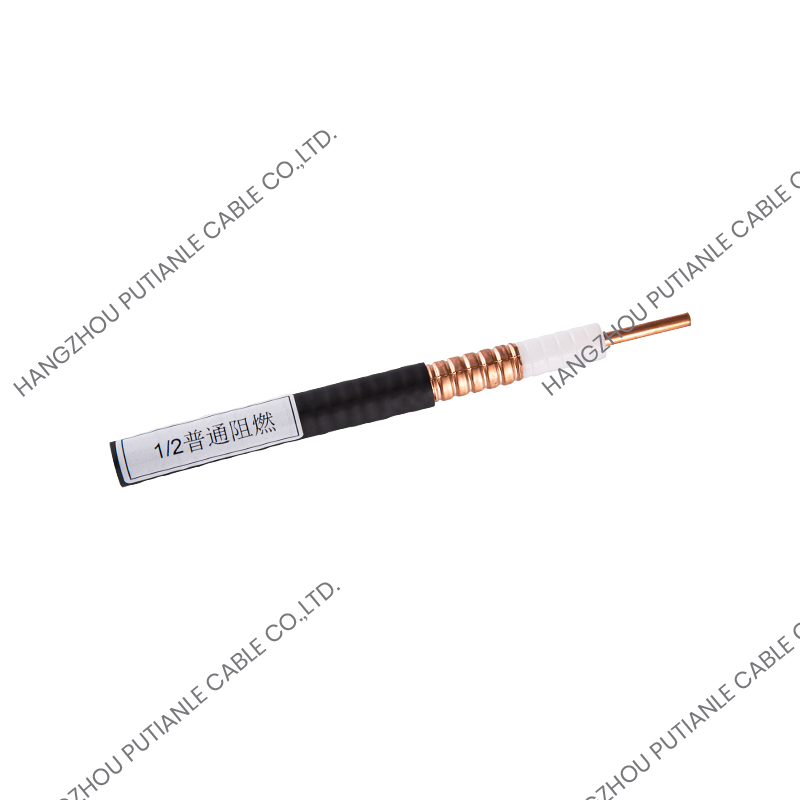
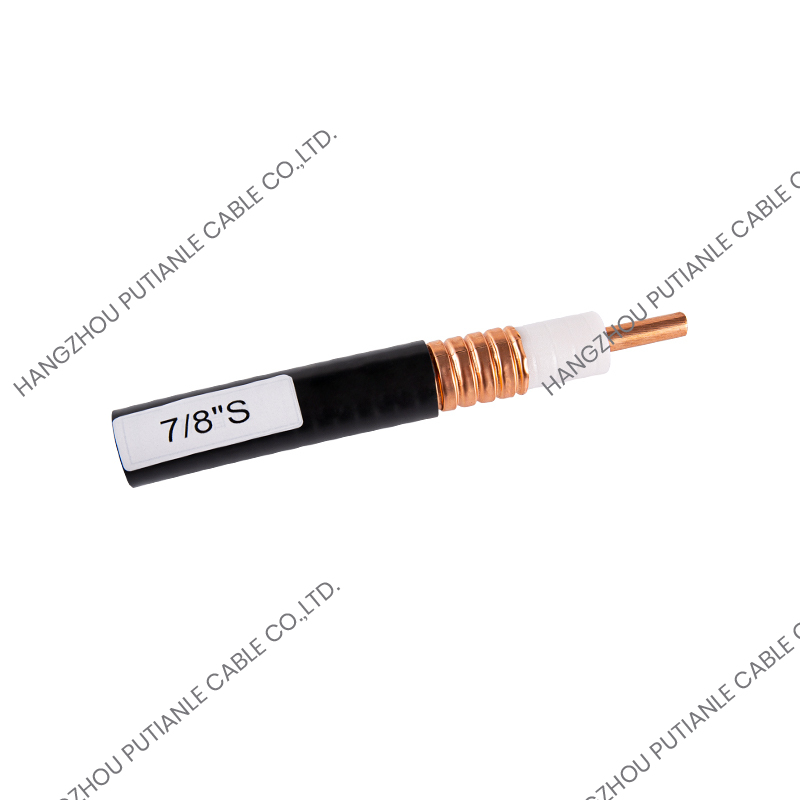
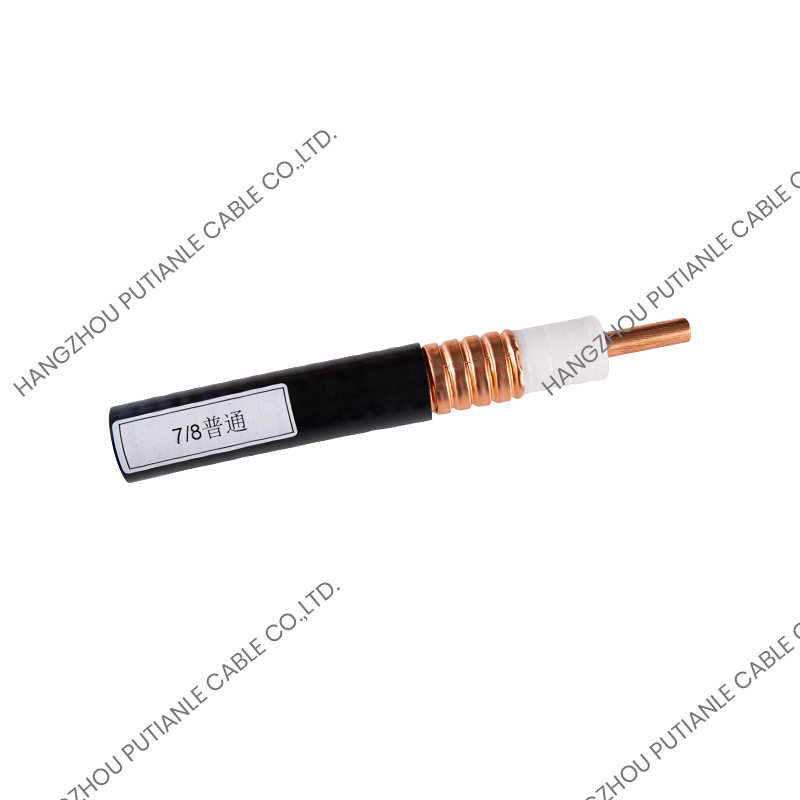
Fifty ohm braiding cables represent critical components in radio frequency, telecommunications, and high-speed digital systems where maintaining precise impedance characteristics ensures optimal signal transmission and minimal reflections. These specialized cables feature meticulously engineered construction combining center conductors, dielectric insulation, braided shields, and outer jackets designed to maintain consistent 50-ohm characteristic impedance throughout their length. Understanding the technical aspects, proper selection criteria, and application requirements for 50-ohm braiding cables enables engineers, technicians, and system designers to achieve reliable signal integrity, maximize power transfer efficiency, and prevent costly performance issues in demanding RF and high-frequency applications. This comprehensive guide explores the fundamental principles, construction details, and practical considerations essential for working with 50-ohm braiding cables across diverse technical applications.
Understanding Characteristic Impedance and Why 50 Ohms Matters
Characteristic impedance represents a fundamental property of transmission lines describing the relationship between voltage and current waves traveling along the cable. This impedance, measured in ohms, depends on the cable's physical construction including the conductor diameter, dielectric material properties, and spacing between conductors. For coaxial cables, the characteristic impedance is determined by the ratio of the outer conductor's inner diameter to the inner conductor's outer diameter, combined with the dielectric constant of the insulating material separating them.
The widespread adoption of 50 ohms as a standard impedance for RF systems stems from engineering compromises balancing power handling capability, signal loss, and practical construction constraints. Analysis of coaxial cable performance reveals that 77 ohms provides minimum signal attenuation, while 30 ohms maximizes power handling capacity. The 50-ohm value represents an optimal compromise between these competing factors, offering reasonable power handling with acceptable attenuation characteristics while enabling practical cable dimensions that facilitate manufacturing and installation.
Impedance matching between cables, connectors, and connected equipment proves essential for maintaining signal integrity and preventing reflections that degrade system performance. When impedance mismatches occur at connection points, a portion of the signal reflects back toward the source rather than transmitting fully to the destination. These reflections create standing waves that reduce available power, distort signal waveforms, and potentially damage transmitter components through excessive voltage standing wave ratios (VSWR). Maintaining consistent 50-ohm impedance throughout the signal path minimizes these reflections, ensuring maximum power transfer and optimal system performance.
The telecommunications and wireless industries standardized on 50-ohm systems for most applications, creating a vast ecosystem of compatible components including cables, connectors, antennas, amplifiers, and test equipment all designed around this impedance. This standardization simplifies system design, ensures component interoperability, and enables confident mixing of equipment from different manufacturers. Some specialized applications use 75-ohm systems, particularly in video distribution and cable television, but 50-ohm cables dominate RF communications, wireless infrastructure, test and measurement, and most industrial and military applications.
Construction Components and Materials
The construction of 50-ohm braiding cables involves multiple precisely engineered layers, each serving specific functions in signal transmission, electromagnetic shielding, and mechanical protection. Understanding these construction elements helps in selecting appropriate cables for different environmental conditions and performance requirements.
The center conductor forms the core signal-carrying element, typically constructed from solid or stranded copper wire. Solid conductors offer lower DC resistance and simpler construction but less flexibility, making them suitable for fixed installations with minimal bending. Stranded conductors provide superior flexibility for applications requiring repeated flexing or routing through complex paths, though their slightly higher resistance and potential for interstitial corrosion requires consideration in long-term installations. Silver-plated copper conductors reduce skin effect losses at high frequencies by providing a more conductive surface layer, justifying their cost premium in demanding RF applications.
The dielectric insulation separating the center conductor from the outer shield critically determines the cable's electrical characteristics including impedance, velocity factor, and loss characteristics. Common dielectric materials include solid polyethylene offering good performance and economy, foam or cellular polyethylene providing lower dielectric constants and reduced loss through air-space incorporation, and polytetrafluoroethylene (PTFE or Teflon) delivering superior electrical properties and temperature resistance for premium applications. The dielectric constant and loss tangent of the insulation material directly affect signal propagation speed and attenuation, with lower dielectric constants generally providing better high-frequency performance.
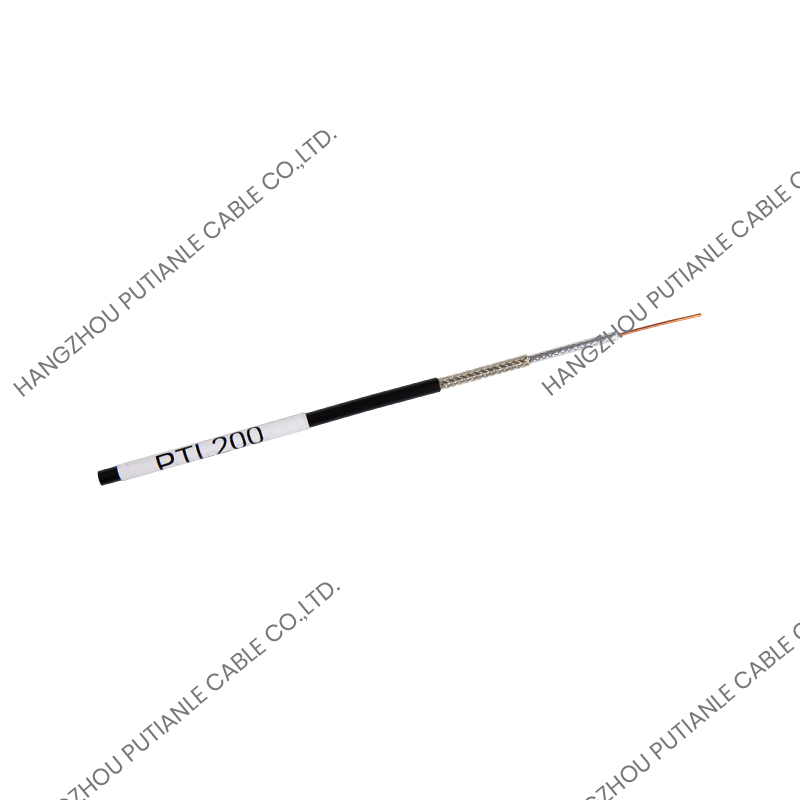
The braided shield constitutes the defining feature of these cables, providing electromagnetic shielding while maintaining flexibility superior to solid tube shields. The braid typically consists of fine copper wires woven in a tubular pattern around the dielectric insulation, with coverage percentages ranging from 60% to 98% depending on braid tightness and layering. Higher coverage percentages provide better shielding effectiveness against electromagnetic interference but reduce flexibility and increase cable stiffness and cost. Some high-performance cables incorporate dual braided shields or combine braided shields with foil layers to achieve shielding effectiveness exceeding 100 dB across broad frequency ranges.
The outer jacket protects internal components from environmental factors including moisture, chemicals, abrasion, and UV radiation while providing mechanical strength and handling characteristics. Jacket materials range from basic PVC for indoor applications through robust polyethylene for outdoor burial, with specialty materials like polyurethane for extreme flexibility or fluoropolymers for high-temperature or chemical-resistant applications. Color coding of jackets aids in cable identification during installation and maintenance, with industry conventions using specific colors to indicate cable types, performance grades, or system assignments.
| Cable Component | Material Options | Primary Function |
| Center Conductor | Copper, silver-plated copper | Signal transmission |
| Dielectric | PE, foam PE, PTFE | Insulation, impedance control |
| Braided Shield | Copper braid, tinned copper | EMI shielding, return path |
| Outer Jacket | PVC, PE, polyurethane, PTFE | Environmental protection |
Common Cable Types and Performance Specifications
Multiple standardized 50-ohm cable types have evolved to address different application requirements, balancing performance characteristics, physical dimensions, flexibility, and cost considerations. Understanding these common cable families enables appropriate selection for specific installation scenarios and performance objectives.
RG-series cables represent the oldest and most widely recognized designation system, originally developed by the military during World War II. Popular 50-ohm RG cables include RG-58 (smaller diameter, flexible, moderate loss suitable for short runs and mobile applications), RG-8 (larger diameter, lower loss, better power handling for longer runs and base station installations), and RG-213 (similar to RG-8 with improved specifications and construction quality). While the RG designation system lacks the precision of modern specifications, these cables remain ubiquitous in amateur radio, marine electronics, and general RF applications due to their availability and familiarity.
LMR (Land Mobile Radio) series cables from Times Microwave represent modern engineered alternatives offering superior performance compared to legacy RG cables. The LMR series includes LMR-195, LMR-240, LMR-400, and LMR-600, with numerical designations indicating approximate cable diameter in thousandths of an inch. These cables feature improved dielectric materials, tighter construction tolerances, and better shielding effectiveness, delivering lower loss and superior performance across extended frequency ranges. The LMR-400, roughly equivalent in size to RG-8 but with approximately 30% lower loss, exemplifies the performance advantages driving adoption of modern cable designs in professional installations.
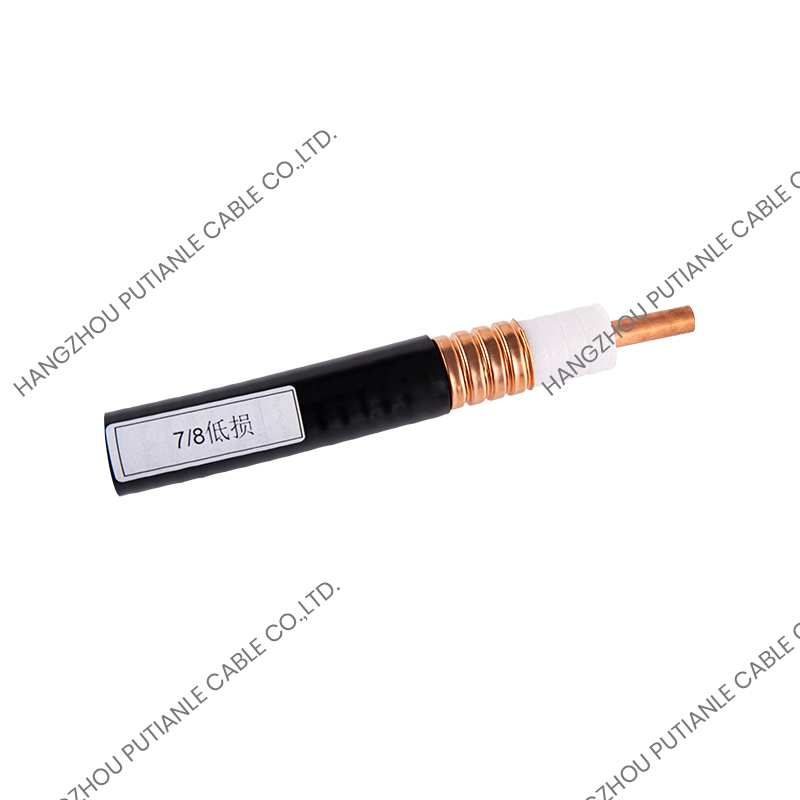
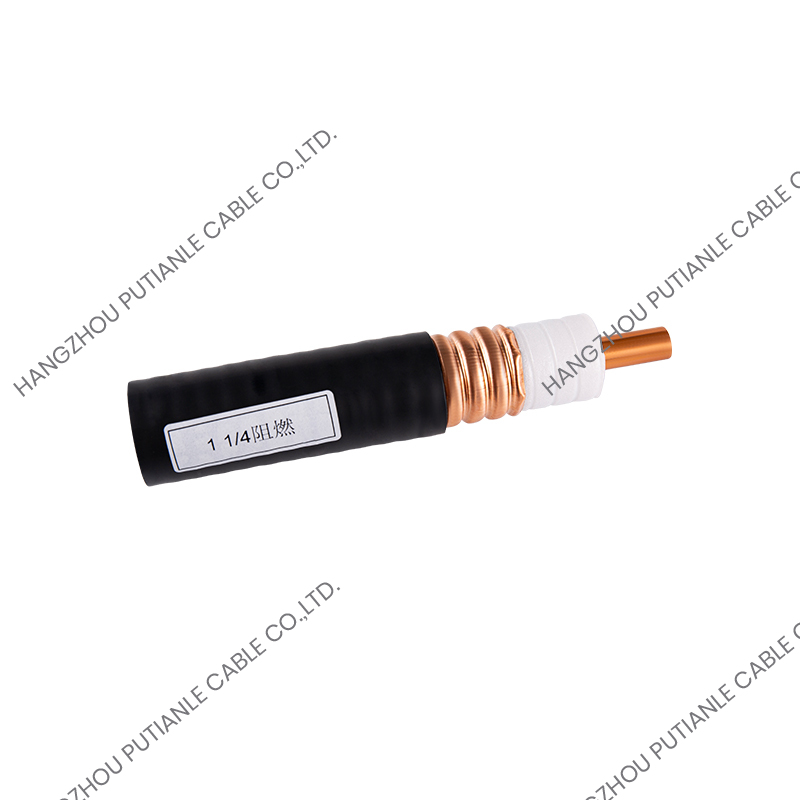
Low-loss cables incorporating advanced dielectric materials like expanded PTFE or foam-core construction achieve dramatically reduced attenuation figures critical for long cable runs, high-frequency applications, or systems where every decibel matters. Cables like Belden's 9913 or Andrew's LDF series deliver loss figures as low as 2-4 dB per 100 feet at 1 GHz compared to 8-12 dB for standard RG-type cables. While these premium cables command higher prices and larger minimum bend radii, their superior performance justifies selection in repeater installations, tower feedlines, and applications where cable loss significantly impacts system performance or range.
Flexible and semi-rigid cables address specialized applications requiring extreme flexibility for repeated flexing applications or superior shielding and stability through rigid construction. Flexible cables use stranded center conductors, special dielectric constructions, and multi-layer shields to withstand millions of flex cycles in test equipment, antenna rotators, and portable installations. Semi-rigid cables feature solid copper tube outer conductors providing near-perfect shielding and highly stable electrical characteristics for phase-critical applications, though their inability to bend after installation limits use to laboratory setups and aerospace applications where performance outweighs installation challenges.
Connector Types and Termination Methods
Proper connector selection and termination techniques prove as critical as cable selection in maintaining system impedance and achieving reliable connections. The connector interface represents a potential impedance discontinuity that must be carefully controlled to prevent reflections and signal degradation.
The Type N connector provides robust performance across DC to 11 GHz with excellent power handling, weather resistance, and mechanical durability making it the preferred choice for outdoor installations, base stations, and professional RF systems. Type N connectors maintain consistent 50-ohm impedance through precision machined components and feature threaded coupling mechanisms providing secure connections resistant to vibration and environmental factors. The larger size compared to alternatives accommodates bigger cables and provides lower loss connections, though it requires more installation space and effort during termination.
SMA (SubMiniature version A) connectors offer compact dimensions enabling high-density installations while maintaining excellent performance to 18 GHz and beyond. The threaded coupling provides secure connections resistant to accidental disconnection, important in test equipment, instrumentation, and communications equipment where reliability matters. SMA connectors suit smaller cables including RG-174, RG-316, and similar miniature coaxial types, though their size limits power handling compared to larger connector types. The precision machining required for true 50-ohm impedance makes quality SMA connectors relatively expensive, justifying their use primarily where their compact size or frequency capabilities provide necessary advantages.
BNC (Bayonet Neill-Concelman) connectors feature quick-connect bayonet coupling mechanisms enabling rapid connection and disconnection, popular in test equipment, video systems, and applications requiring frequent reconfiguration. While BNC connectors nominally maintain 50-ohm impedance and work effectively through several gigahertz, their bayonet coupling mechanism provides less secure retention than threaded alternatives and proves more susceptible to vibration-induced disconnection. The ease of use and rapid connection capability make BNC ideal for laboratory environments and test setups where convenience outweighs the need for maximum security or extreme environmental protection.
Termination methods range from soldering requiring precise technique and specialized tools through crimp connectors offering faster field installation with appropriate crimping tools. Soldered connections provide the most reliable electrical and mechanical performance when executed properly but require practice, patience, and proper equipment including temperature-controlled soldering irons and proper solder formulations. Crimp connectors enable faster installation and eliminate the need for heat that could damage cable components, though achieving consistent, reliable crimps requires appropriate crimping tools calibrated for specific connector and cable combinations. Some modern connectors feature push-on or compression attachment mechanisms enabling tool-free installation, trading some performance and reliability for installation convenience in less-demanding applications.
Application-Specific Selection Guidelines
Selecting optimal 50-ohm braiding cables for specific applications requires evaluating multiple factors including frequency range, cable length, environmental conditions, flexibility requirements, and budget constraints. Systematic evaluation of these parameters ensures cable selection that meets performance requirements without unnecessary over-specification.
Frequency range fundamentally determines cable selection as attenuation increases with frequency, requiring lower-loss cables for high-frequency applications or long runs. For applications below 500 MHz with cable runs under 50 feet, standard RG-type cables typically provide adequate performance at minimum cost. Applications extending to 1-2 GHz or requiring longer cable runs benefit from improved designs like LMR-series cables offering 20-40% loss reduction. Above 2 GHz or for critical applications where every decibel matters, premium low-loss cables justify their cost premium through dramatically improved signal delivery and system performance.
Environmental conditions including temperature extremes, moisture exposure, UV radiation, and chemical contact dictate jacket material and construction requirements. Indoor installations in controlled environments accommodate basic PVC-jacketed cables offering economy and adequate protection. Outdoor installations require UV-resistant jackets, typically black polyethylene, that prevent degradation from sunlight exposure. Direct burial applications demand moisture barriers and robust mechanical protection, often requiring flooded cables with water-blocking compounds or armored constructions resisting physical damage. Industrial environments with chemical exposure or extreme temperatures may require specialty fluoropolymer jackets providing superior resistance to aggressive substances and thermal extremes.
Power handling requirements influence cable selection for transmitter applications where significant RF power travels through cables from transmitters to antennas. Larger diameter cables with lower loss characteristics handle more power before reaching thermal limits or voltage breakdown thresholds. A typical RG-58 cable might handle 100-200 watts at VHF frequencies, while LMR-400 accommodates 500-1000 watts under similar conditions. High-power applications including broadcasting, radar, and RF heating require careful power handling analysis considering frequency, duty cycle, ambient temperature, and installation conditions to prevent cable damage or failure.
Key Selection Factors
- Operating frequency range determines required loss characteristics and cable type
- Cable length affects cumulative loss requiring lower-loss cables for long runs
- Environmental conditions dictate jacket material and construction robustness
- Flexibility requirements balance ease of installation against electrical performance
- Power handling capacity must accommodate maximum transmitter output safely
- Connector compatibility ensures proper termination and system integration
- Budget constraints may limit options but false economy through inadequate cables wastes money
Installation Best Practices and Common Mistakes
Proper installation techniques maximize cable performance and longevity while preventing premature failures and system problems. Understanding common installation mistakes and implementing best practices ensures professional results that deliver expected performance throughout the system lifecycle.
Minimum bend radius specifications prevent damage to cable internal structure that degrades electrical performance or causes mechanical failure. Each cable type specifies minimum bend radius, typically 5-10 times the cable diameter, below which bending distorts the conductor spacing, damages the dielectric, or kinks the braided shield. Violating minimum bend radius creates impedance discontinuities causing reflections and increases cable loss through disrupted current paths in the shield. Plan cable routing to accommodate minimum bend radii through gradual curves and adequate space allocation, using cable support systems that distribute bending stresses rather than creating tight bends at fixing points.
Support spacing and methods prevent cable sagging that increases wind loading in outdoor installations and creates unsightly appearances while potentially exceeding cable tensile strength limits in long runs. Support cables at intervals appropriate to their size and jacket material, typically every 3-5 feet for flexible cables and longer intervals for larger, stiffer constructions. Use cable ties, clamps, or dedicated cable support systems that grip without crushing the jacket or creating stress concentration points. Avoid metal zip ties or sharp-edged supports that could damage jackets and eventually penetrate to internal components causing moisture ingress or shield corrosion.
Connector termination quality determines connection reliability and electrical performance. Follow manufacturer instructions precisely for the specific cable and connector combination, using appropriate tools including wire strippers calibrated for cable dimensions, crimping tools matched to connector types, and quality soldering equipment for soldered connections. Verify proper shield continuity and center conductor attachment through both visual inspection and continuity testing before completing installations. Apply appropriate weatherproofing materials including self-amalgamating tape, heat-shrink tubing, or specialized boot assemblies to outdoor connectors, preventing moisture ingress that causes corrosion and eventual connection failure.
Testing and verification before energizing systems prevents commissioning failures and identifies installation problems when correction remains straightforward. Use appropriate test equipment including cable analyzers, time-domain reflectometers (TDR), or network analyzers to verify cable impedance, measure loss characteristics, and identify discontinuities or damage. Document baseline measurements for future reference enabling trending analysis and troubleshooting when performance degrades over time. This upfront verification investment prevents costly troubleshooting of intermittent problems or mysterious performance issues that plague inadequately tested installations.
Fifty-ohm braiding cables represent essential components in modern RF and telecommunications systems, with proper selection, installation, and maintenance ensuring optimal signal integrity and system performance. Understanding the technical fundamentals of characteristic impedance, recognizing the construction elements determining cable performance, and implementing professional installation practices enables successful deployment of these critical components across diverse applications. Whether connecting antennas to receivers, building test systems, or establishing wireless infrastructure, investing time and attention in proper cable selection and installation delivers reliable, high-performance systems that meet exacting requirements while avoiding the costly problems associated with inadequate or improperly installed cables.