中文简体
中文简体 English
 Español
Content
- 1 What Is a 75 Ohm Aluminum Tube Cable?
- 2 Copper vs Aluminium Conductivity: The Core Technical Difference
- 3 Why Aluminum Is Used as the Outer Conductor in 75 Ohm Tube Cables
- 4 Signal Attenuation in 75 Ohm Aluminum Tube Cables
- 5 Inner Conductor Options: Copper-Clad Aluminum vs Solid Copper
- 6 Practical Considerations When Specifying 75 Ohm Aluminum Tube Cables
- 7 The Long-Term Case for Aluminum in 75 Ohm Coaxial Infrastructure
What Is a 75 Ohm Aluminum Tube Cable?
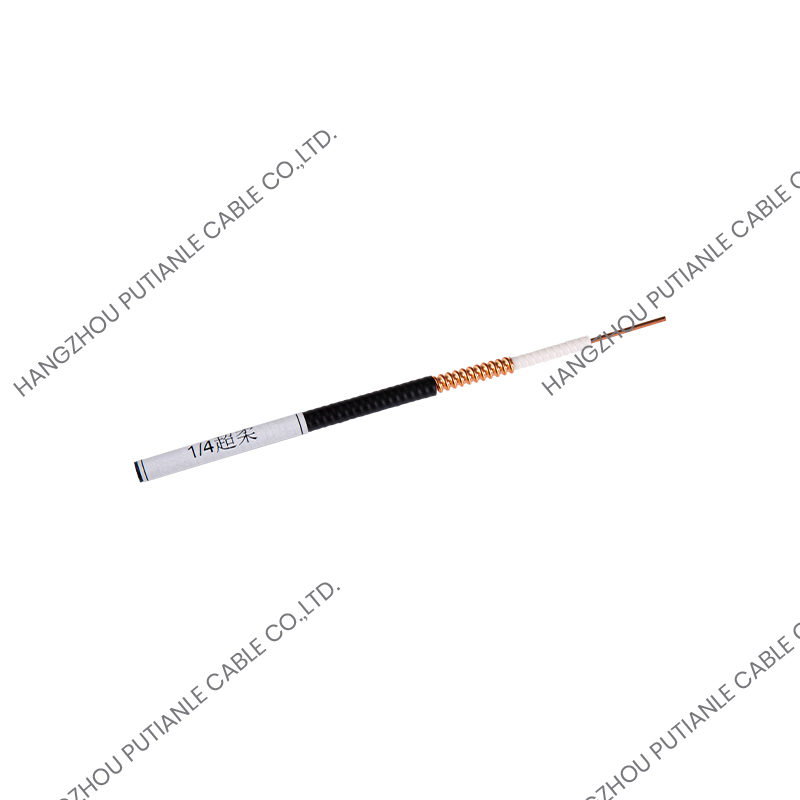
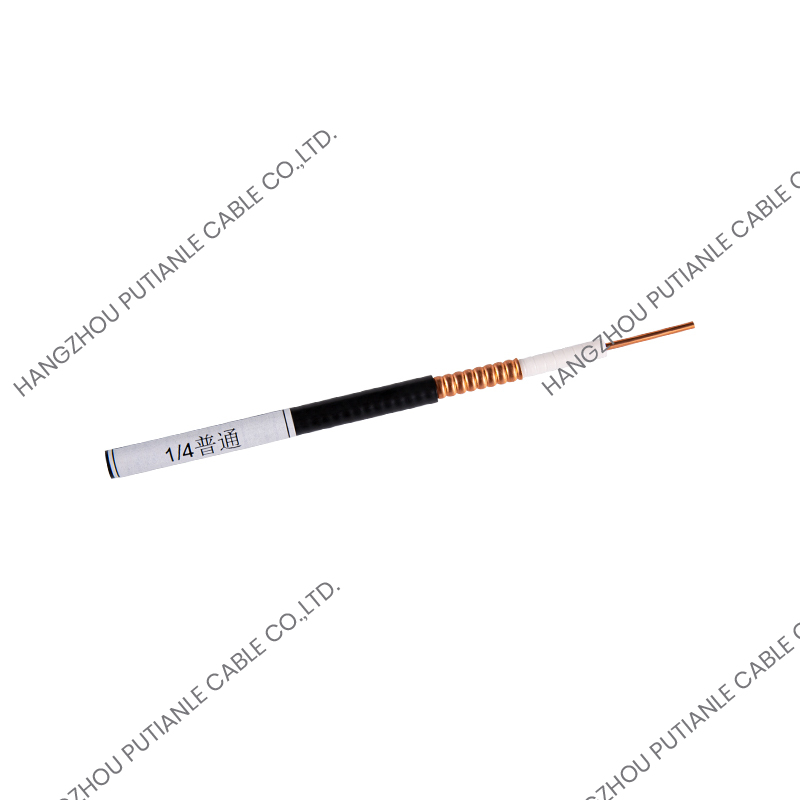
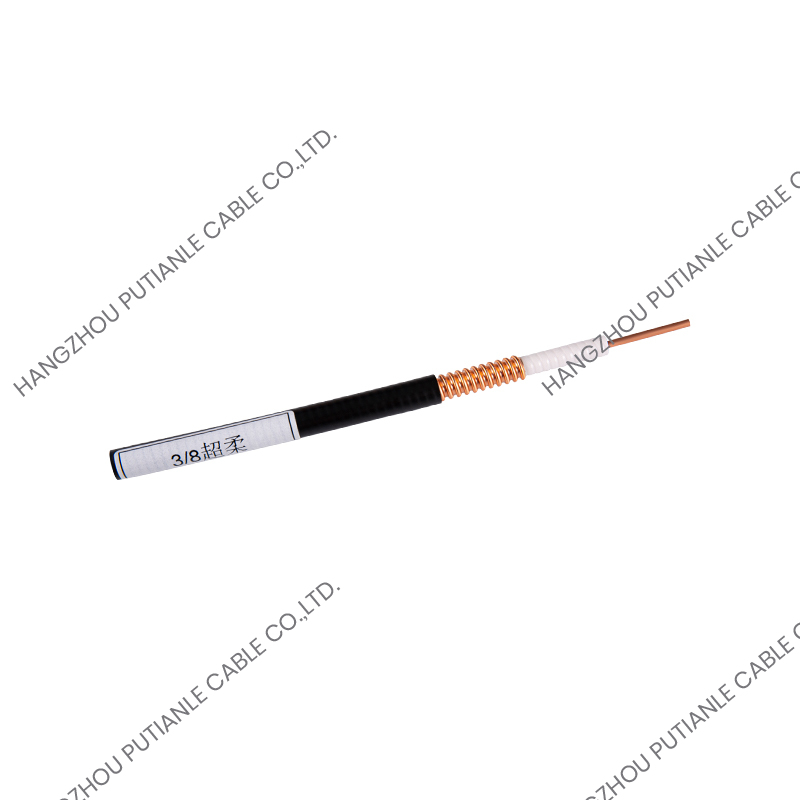
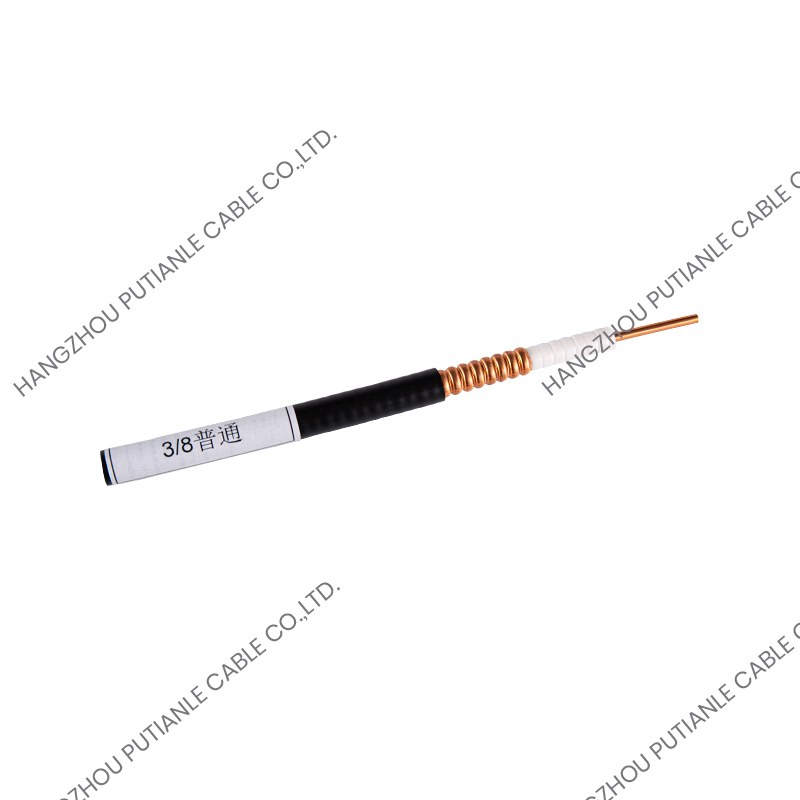
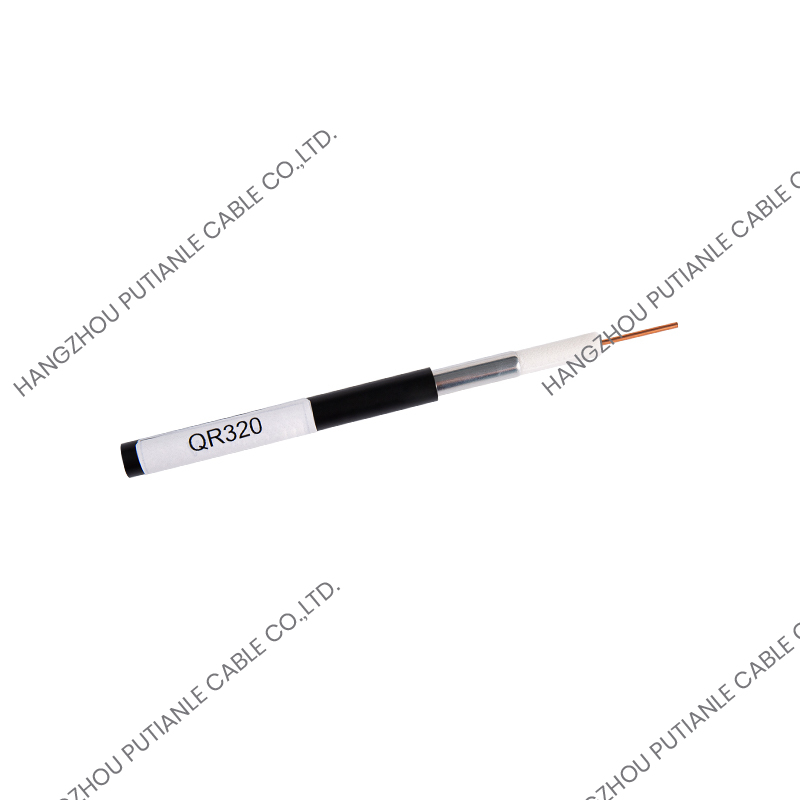
A 75 ohm aluminum tube cable is a type of coaxial cable engineered to maintain a characteristic impedance of 75 ohms throughout its entire length, using an aluminum tube as the outer conductor rather than the braided or foil shields found in flexible coaxial cables. The 75 ohm impedance standard is the dominant specification in broadcast television, cable television (CATV), satellite distribution, and video signal transmission infrastructure globally. It is defined by the geometric relationship between the inner conductor diameter, the outer conductor diameter, and the dielectric constant of the insulating material separating them — not by any single material property in isolation.
The aluminum tube outer conductor gives this cable category its characteristic rigidity and its ability to function simultaneously as a structural element — self-supporting over long spans between towers or buildings — and as an effective RF shield. The seamless or welded aluminum tube provides 100% coverage with no gaps or apertures through which signal can leak, delivering shielding effectiveness far superior to braided constructions. These cables are used in demanding long-distance signal distribution applications including broadcast antenna feedlines, headend-to-hub trunk lines in CATV networks, and distributed antenna systems (DAS) in large venues and tunnels where signal integrity over hundreds of meters must be maintained.
Copper vs Aluminium Conductivity: The Core Technical Difference
The fundamental electrical property that distinguishes copper from aluminum as a conductor material is electrical conductivity — the measure of how readily a material allows the flow of electric current. Conductivity is the inverse of resistivity: a material with high conductivity has low resistivity and therefore generates less heat and signal loss for a given current or signal level. This difference is the starting point for understanding every design trade-off involved in choosing aluminum over copper for the outer conductor of a 75 ohm cable.
Conductivity Values Compared
Copper is the reference conductor in electrical engineering, assigned a conductivity of 100% IACS (International Annealed Copper Standard). Aluminum, by comparison, has a conductivity of approximately 61% IACS — meaning that for a given cross-sectional area, aluminum carries only about 61% as much current as copper before generating an equivalent resistive loss. To compensate for this lower conductivity and achieve the same electrical performance, an aluminum conductor must have a larger cross-sectional area — approximately 1.6 times larger than the equivalent copper conductor for equal DC resistance.
| Property | Copper (Cu) | Aluminum (Al) |
| Conductivity (% IACS) | 100% | ~61% |
| Resistivity (nΩ·m at 20°C) | 16.78 | 26.50 |
| Density (g/cm³) | 8.96 | 2.70 |
| Conductivity per Unit Weight | Reference | ~2x better than copper |
| Relative Material Cost | High | Significantly lower |
| Tensile Strength (MPa) | ~210–250 | ~70–310 (alloy dependent) |
| Corrosion Behavior | Oxidizes slowly, stable | Self-passivating oxide layer |
The Weight Advantage That Changes the Equation
While aluminum's lower conductivity appears to be a straightforward disadvantage, the density comparison fundamentally changes the engineering economics. Aluminum is approximately 3.3 times less dense than copper. This means that to carry the same electrical current with the same resistive loss, an aluminum conductor needs about 1.6 times the cross-sectional area of copper — but because aluminum is so much lighter per unit volume, the aluminum conductor achieving that equivalent performance weighs only about half as much as the copper conductor it replaces. This weight-per-unit-conductance advantage is the primary reason aluminum is used as the outer conductor in large-format coaxial cables for broadcast and telecommunications infrastructure, where cable runs span hundreds of meters and total installed weight has direct consequences for tower loading, support structure costs, and installation labor.
Why Aluminum Is Used as the Outer Conductor in 75 Ohm Tube Cables
The selection of aluminum for the outer conductor of 75 ohm tube cables is not a compromise driven purely by cost — it is an engineering decision supported by the specific role the outer conductor plays in coaxial cable RF performance and the practical demands of large-scale signal distribution infrastructure.
Skin Effect and RF Current Distribution
At radio frequencies, current does not flow uniformly through the entire cross-section of a conductor. Instead, it concentrates increasingly toward the surface as frequency increases — a phenomenon called the skin effect. The depth at which current density falls to approximately 37% of its surface value is called the skin depth, and it decreases with the square root of frequency. At frequencies used in broadcast and CATV distribution (5 MHz to 1 GHz and beyond), the skin depth in both copper and aluminum is measured in micrometers — far smaller than the wall thickness of an aluminum tube outer conductor. This means that only the innermost surface of the aluminum tube carries significant RF current, and the electrical performance of the outer conductor at these frequencies is determined almost entirely by the surface resistivity of the aluminum, not by its bulk conductivity. A sufficiently thick aluminum tube therefore provides outer conductor performance that is very close to what a copper tube of the same geometry would deliver at the frequencies of interest, with the remaining resistive loss difference being a manageable engineering quantity rather than a fundamental barrier.
Self-Passivating Corrosion Resistance
Aluminum forms a thin, dense layer of aluminum oxide (Al₂O₃) on its surface almost instantaneously when exposed to air. This oxide layer is chemically stable, electrically insulating in the bulk material sense but sufficiently thin to be penetrated by RF currents at the surface, and highly resistant to further atmospheric corrosion under most outdoor exposure conditions. For cables installed on broadcast towers, building exteriors, and underground in conduit, this self-passivating behavior provides long-term corrosion resistance without requiring external protective coatings on the conductor itself — a significant maintenance advantage over a service life that may extend to 25 years or more.
Structural Performance as a Rigid Tube
In large-diameter 75 ohm trunk cables (sizes such as 1/2 inch, 7/8 inch, 1-5/8 inch, and larger), the aluminum tube outer conductor is thick enough to function as a structural element, allowing the cable to be self-supporting between clamps spaced at intervals determined by the cable's mechanical properties and wind and ice loading specifications. Aluminum's high strength-to-weight ratio — particularly in alloyed forms — provides the required structural rigidity at a fraction of the weight penalty that an equivalent copper tube would impose. This structural self-support capability simplifies installation on towers and antenna masts, reduces the number of support clamps required, and lowers overall installation costs for long feedline runs.
Signal Attenuation in 75 Ohm Aluminum Tube Cables
Attenuation — the loss of signal power per unit length — is the primary performance specification for any coaxial cable used in signal distribution. For 75 ohm aluminum tube cables, attenuation is determined by the combined resistive losses in the inner and outer conductors and the dielectric losses in the insulating foam or solid polyethylene spacer between them. Understanding how aluminum's conductivity affects attenuation helps engineers compare cable options and make correct specifications for link budget calculations.
Because the outer conductor's RF current flows only in its inner surface layer due to the skin effect, and because aluminum's surface resistivity at RF frequencies is only moderately higher than copper's, the attenuation increase attributable to using aluminum rather than copper for the outer conductor in a well-designed tube cable is typically in the range of 5% to 15% depending on frequency and cable geometry. For most broadcast and CATV trunk cable applications, this difference is accommodated in the link budget with no operational consequence, particularly when the weight and cost savings of aluminum enable the use of a slightly larger cable diameter that recovers the small attenuation difference through improved geometry.
Inner Conductor Options: Copper-Clad Aluminum vs Solid Copper
While the outer conductor of 75 ohm aluminum tube cables is aluminum, the inner conductor can be specified in either solid copper or copper-clad aluminum (CCA), and this choice has its own set of engineering and economic trade-offs distinct from the outer conductor material selection.
Solid Copper Inner Conductor
A solid copper inner conductor provides the lowest resistive loss at all frequencies and the highest conductivity, making it the preferred choice for performance-critical applications where minimizing attenuation over long cable runs is the primary engineering objective. Solid copper inner conductors are also more mechanically robust and easier to terminate reliably with standard connector tooling. Most premium-grade 75 ohm aluminum tube cables for broadcast feedline applications specify a solid or stranded copper inner conductor precisely because the inner conductor carries relatively more of the total cable loss at lower frequencies where the skin depth is larger.
Copper-Clad Aluminum (CCA) Inner Conductor
Copper-clad aluminum inner conductors consist of an aluminum core with a bonded layer of copper on the outer surface. At higher frequencies where the skin effect confines current to the copper surface layer, CCA inner conductors perform essentially identically to solid copper conductors because the RF current never penetrates through the copper cladding into the aluminum core. At lower frequencies, however, current does penetrate into the aluminum core, increasing resistive loss compared to solid copper. CCA inner conductors offer significant weight savings and cost reductions compared to solid copper, making them a practical choice for CATV trunk cable applications operating predominantly in the upper frequency bands where the skin effect is most pronounced.
Practical Considerations When Specifying 75 Ohm Aluminum Tube Cables
Selecting the correct 75 ohm aluminum tube cable for a specific installation requires balancing attenuation performance, mechanical requirements, installation environment, and total system cost across the full service life of the link. The following considerations address the most common decision points in cable specification for broadcast and CATV distribution applications.
- Cable size and attenuation budget: Larger diameter cables have lower attenuation per unit length because the larger geometry reduces the relative contribution of conductor surface resistance to total loss. For long feedline runs exceeding 50 meters, moving to a larger cable size — such as from 1/2 inch to 7/8 inch — often delivers a better cost-per-dB outcome than specifying a premium conductor material in a smaller cable.
- Connector compatibility: Aluminum tube cables require connectors specifically designed and tooled for the cable's outer diameter, corrugation pitch (for corrugated outer conductors), and inner conductor type. Using connectors designed for copper cables or incorrect tooling on aluminum outer conductors is a leading cause of passive intermodulation (PIM) problems and weatherproofing failures in installed systems.
- Galvanic corrosion at connections: Where aluminum tube cables terminate into copper or brass connectors and hardware, the dissimilar metal contact can create galvanic corrosion cells in the presence of moisture. Proper connector design, anti-oxidant compound application, and weatherproofing at all outdoor terminations are essential to prevent long-term connector degradation.
- Minimum bend radius: Rigid aluminum tube cables have defined minimum bend radii that must be respected during installation. Exceeding the minimum bend radius deforms the tube geometry, alters the local impedance from 75 ohms, and creates a reflection point that degrades return loss across the operating frequency range. Always consult the manufacturer's installation specifications before routing cables around obstacles or through tight spaces.
- Thermal expansion management: Aluminum has a higher coefficient of thermal expansion than copper. In long outdoor cable runs subject to significant temperature variation between seasons, the cumulative thermal expansion and contraction of the aluminum tube can generate mechanical stress at fixed termination points. Expansion loops or flexible cable sections should be incorporated at specified intervals in accordance with the cable manufacturer's installation guidelines.
- Verification of impedance consistency: Before installation, time-domain reflectometry (TDR) testing of cable drums can identify any manufacturing defects, impedance anomalies, or damage sustained during shipping that would affect system performance. This is particularly important for long cable lengths where a single impedance discontinuity mid-run would require locating and replacing a section of installed cable at significant cost.
The Long-Term Case for Aluminum in 75 Ohm Coaxial Infrastructure
The choice of aluminum as the outer conductor material in 75 ohm tube cables reflects a mature engineering judgment that has been validated across decades of broadcast, cable television, and telecommunications infrastructure deployment worldwide. The slightly lower conductivity of aluminum compared to copper — approximately 61% IACS versus 100% IACS — is offset in large-format coaxial cable applications by aluminum's dramatically lower density, its self-passivating corrosion resistance, its structural strength in tube form, and its substantially lower material cost. When these factors are evaluated together across the full engineering and economic life cycle of a signal distribution system rather than on the basis of conductivity alone, aluminum consistently emerges as the rational and well-proven choice for the outer conductor role in 75 ohm trunk and feedline cables. For systems engineers, understanding this balance of properties — and knowing how to compensate for aluminum's conductivity difference through cable sizing, inner conductor specification, and proper installation practice — is the foundation of effective 75 ohm coaxial system design.