中文简体
中文简体 English
 Español
Content
What Is 50 Ohm Braiding Cable
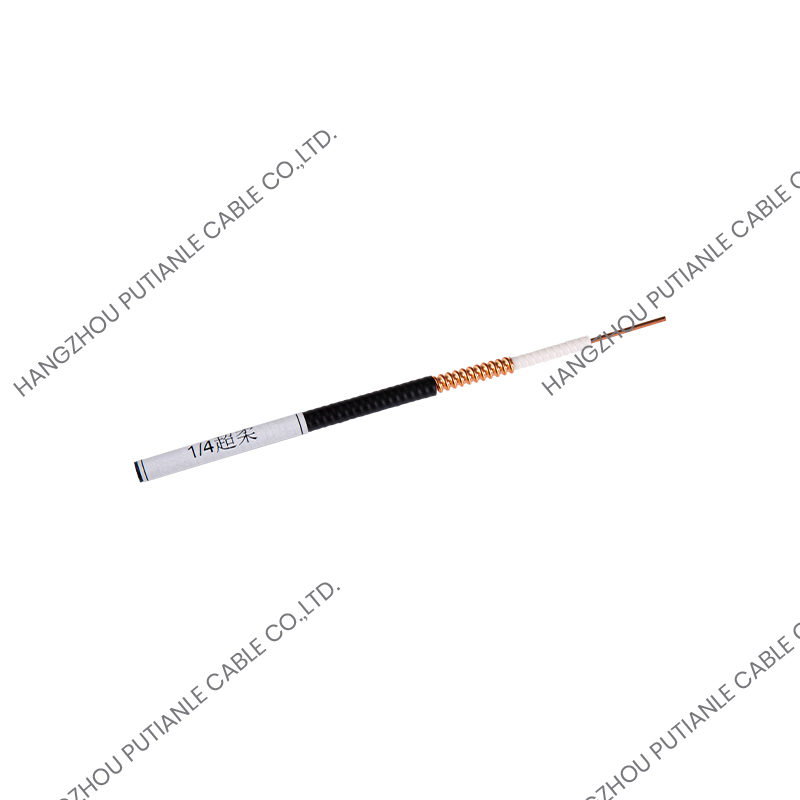
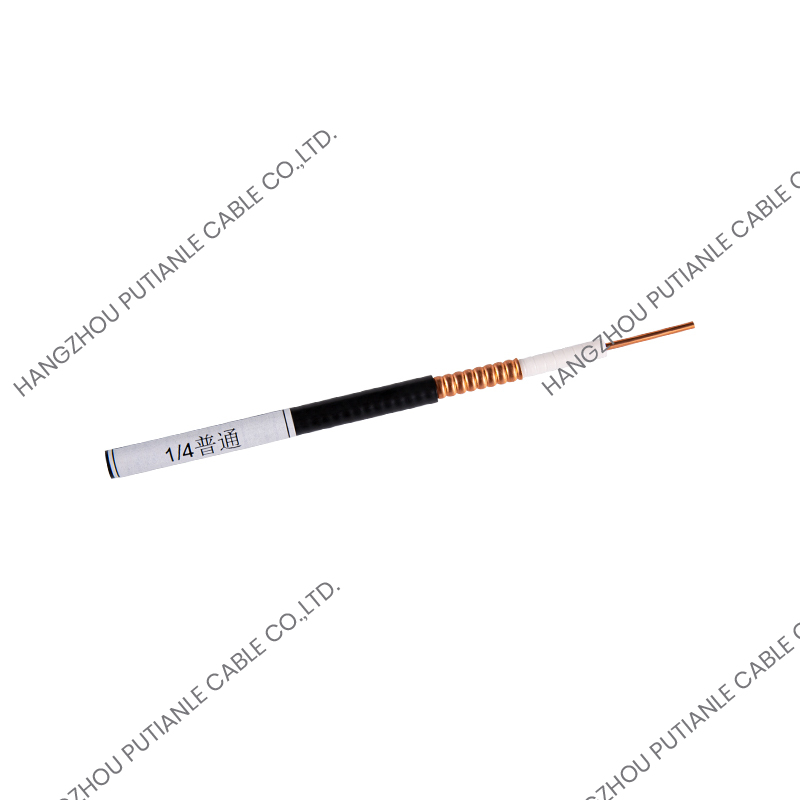
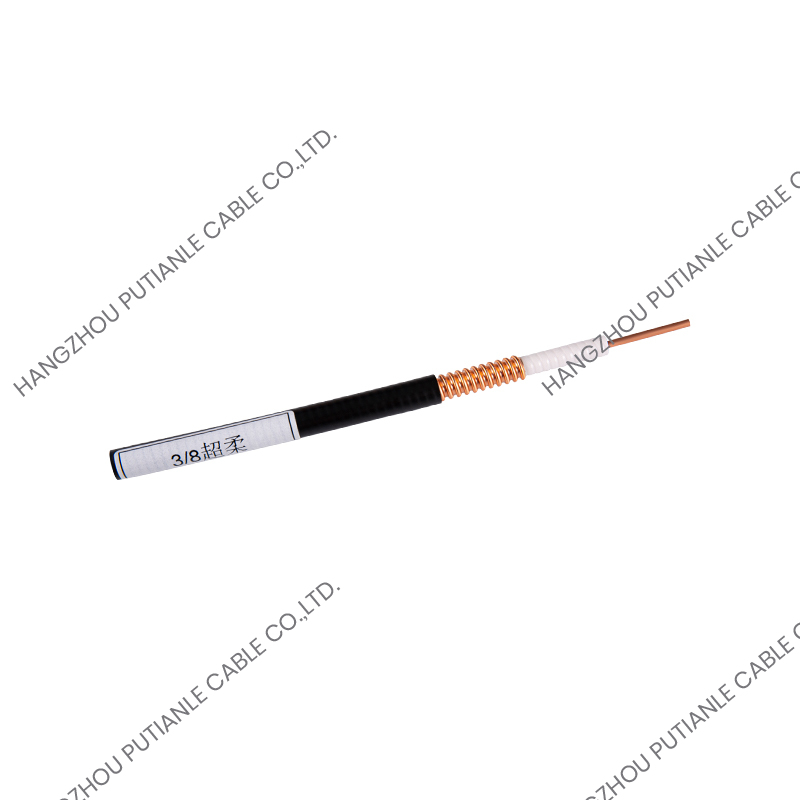
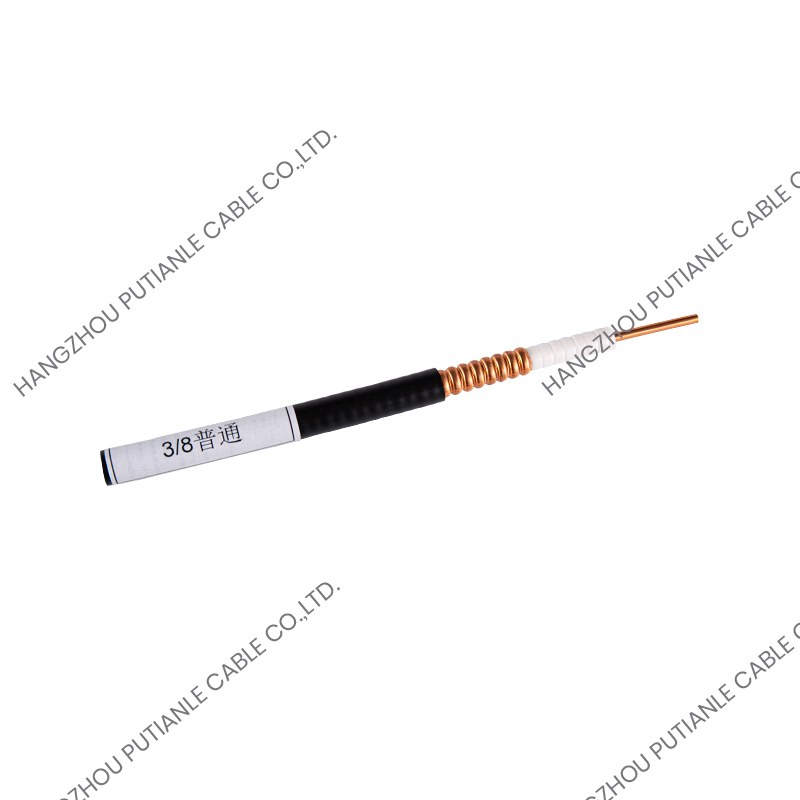
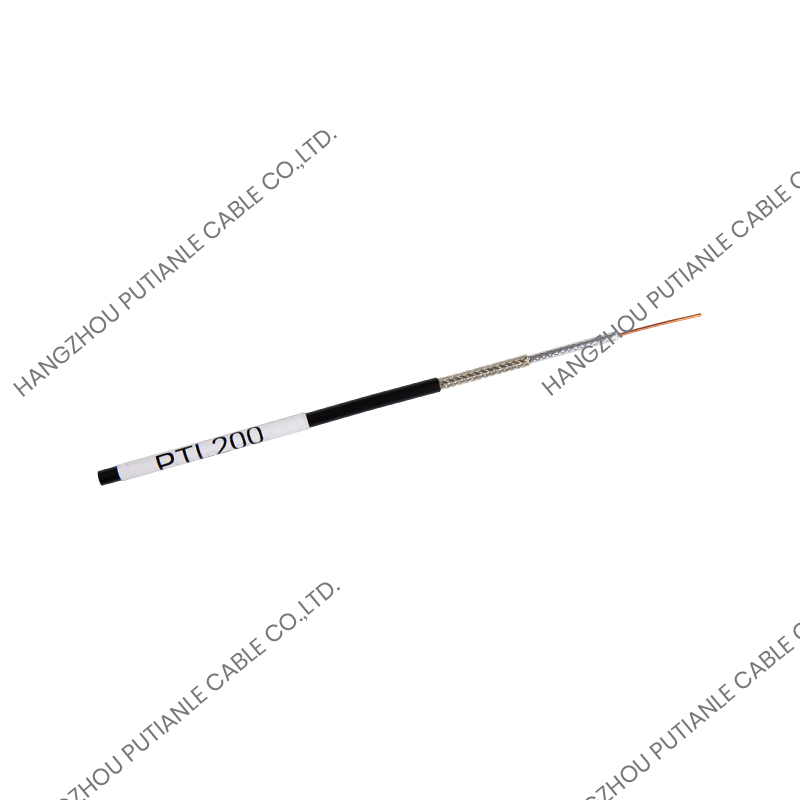
50 Ohm braiding cable refers to a type of coaxial cable engineered with a characteristic impedance of 50 ohms, paired with a braided outer conductor that provides shielding against electromagnetic interference. The braid, typically made from copper or tinned copper strands woven into a mesh pattern, surrounds the dielectric insulation and center conductor, protecting the signal from external noise while also serving as the return path for the electrical current.
The 50 ohm impedance specification is not arbitrary; it represents a balance point between power handling capacity and signal loss that has become the industry standard for radio frequency applications, particularly in transmission systems where high power and minimal attenuation both matter. This is distinct from 75 ohm cable, which is optimized for lower power, lower loss applications like video and broadcast signal transmission.
Why Braided Shielding Matters
Braided shielding offers flexibility and durability that solid or foil shielding cannot match, making it especially suitable for cables that will be repeatedly flexed, coiled, or routed through tight spaces. The woven structure also allows for higher coverage percentages when doubled or combined with foil layers, improving overall shielding effectiveness against interference.
Common Types of 50 Ohm Braiding Cable
Several standardized cable types fall under the 50 ohm braiding category, each differing in size, shielding configuration, and power handling capability. Selecting the correct type depends on frequency range, power requirements, and physical routing constraints.
| Cable Type | Typical Diameter | Common Applications |
| RG-58 | ~5mm | Amateur radio, low-power test equipment |
| RG-142 | ~4.9mm | Military and aerospace, high temperature use |
| RG-213 | ~10.3mm | Base station antennas, higher power transmission |
| LMR-400 | ~10.3mm | Wireless infrastructure, long cable runs |
Matching Cable Type to Signal Loss Requirements
Thinner cables like RG-58 are easier to route and more flexible but suffer higher signal attenuation over long distances, making them better suited to short connections. Larger diameter cables such as LMR-400 minimize signal loss over extended runs, making them the preferred choice for installations where the cable must travel significant distances from transmitter to antenna.
Practical Applications of 50 Ohm Braiding Cable
The combination of controlled impedance and braided shielding makes this cable type essential across a wide range of radio frequency and communication systems where signal integrity is critical.
- Two-way radio systems: 50 ohm braiding cable connects transceivers to antennas in amateur radio, marine, and public safety communication setups.
- Wireless networking: Cellular repeaters, Wi-Fi access points, and cellular boosters rely on 50 ohm cable to maintain signal strength between components.
- Test and measurement equipment: Laboratories use 50 ohm braiding cable to connect signal generators, oscilloscopes, and network analyzers with minimal signal distortion.
- Military and aerospace systems: High-temperature rated variants like RG-142 are used in demanding environments requiring consistent performance under stress.
- Broadcast transmission: Radio stations use heavier gauge 50 ohm cable to carry high-power signals from transmitters to broadcast antennas.
Key Specifications to Consider When Selecting Cable
Beyond impedance and physical size, several technical specifications influence how well a given cable will perform in a specific application. Attenuation, measured in decibels per unit length, indicates how much signal strength is lost as it travels through the cable, with lower values indicating better performance for long cable runs.
Power handling capacity is another critical factor, particularly for transmission applications where excessive power can cause the dielectric material to break down or the cable to overheat. Additionally, the braid coverage percentage, which describes how densely the shielding strands cover the underlying dielectric, directly affects how well the cable resists electromagnetic interference from external sources.
Single Braid Versus Double Braid Shielding
Single braid shielding is adequate for many general-purpose applications, but double braid or braid-plus-foil configurations offer significantly improved shielding effectiveness, making them preferable in environments with high levels of electromagnetic interference, such as near industrial equipment or dense urban radio frequency traffic.
Tips for Buying and Installing 50 Ohm Braiding Cable
When purchasing 50 ohm braiding cable, confirming compatibility with existing connectors and equipment is essential, since mismatched impedance between cable and connected devices can cause signal reflection and reduced performance. Buyers should also verify the cable's frequency rating to ensure it supports the intended operating range, as performance characteristics can vary significantly at higher frequencies.
During installation, avoiding sharp bends and excessive tension on the cable helps preserve the integrity of the braided shield and dielectric layers over time. For outdoor or long-term installations, selecting a cable with a weather-resistant outer jacket and considering UV exposure ratings will help extend the cable's operational lifespan and maintain consistent signal quality.