中文简体
 English
 Español

Content
- 1 Start by identifying the cable
- 2 Separate reuse, recycling, and disposal
- 3 Prepare cables safely for recycling
- 4 Find the right recycling route
- 5 What actually happens to old cable
- 6 A simple checklist for offices and contractors
- 7 When replacing cable makes more sense than recycling
- 8 Common mistakes to avoid
Old cable has a way of accumulating. A few coax offcuts sit in a garage, a box of dead jumper leads hides in a network cupboard, and a coil of damaged video cable waits behind a rack for a “later” that never comes. Recycling old cables is not simply a matter of dropping them into the household bin. Cable is a mixture of metals, plastics, and sometimes glass or specialty tapes, and the right route depends on what the cable is made of and where it came from.
At our cable workshop in Lin'an, we spend our days making coaxial and fiber cables, and we have learned that good recycling starts well before the cable reaches a recycler. Identify it, keep it dry and sorted, and choose a route that matches the material. That small effort makes recovery safer, cleaner, and far more worthwhile.
Start by identifying the cable
Cable is not one material. A coaxial cable may contain a copper or copper-clad steel center conductor, an aluminum braid or foil, and a PVC or PE jacket. A network cable usually contains copper pairs and plastic insulation. A fiber optic cable contains glass fibers, aramid yarn, and plastic layers. Power and control cables may use copper or aluminum conductors with much thicker insulation. If you are unsure whether a cable is 50-ohm RF coax, 75-ohm video coax, or a data cable, this overview of different coaxial cable types can help you sort with more confidence.
Keep the obvious categories apart: coaxial cable, data cable, jumper assemblies with connectors, fiber optic cable, and power cable. Mixed cable is not impossible to recycle, but separated cable is easier to handle and often has a better recovery value.
Separate reuse, recycling, and disposal
Before you cut anything, ask whether the cable is still usable. A working jumper lead, a clean coaxial reel, or a short length of data cable may be useful to a repair café, a school media department, a community radio group, or a technician training program. Reuse is usually the best environmental option because it avoids new manufacturing and transport.
If the cable is damaged, waterlogged, brittle, or obsolete, plan for recycling. Do not put loose cable into household recycling unless your local program explicitly accepts it. Long, tangled cables wrap around sorting equipment and can turn a useful material stream into a maintenance problem. Unknown or legacy cable should be kept separate until you know what it contains.
Prepare cables safely for recycling
Work in a ventilated area and wear gloves and eye protection. Remove connectors, cable ties, tape, junction boxes, and any attached hardware. Coil the cable into loose loops and keep it dry. Do not burn insulation to recover copper; burning PVC and other cable plastics releases toxic fumes and is illegal in many places. For fiber optic cable, do not snap the glass with side cutters. Use proper fiber tools and place offcuts in a rigid sharps container.
| Cable type | What is usually recovered | Preparation | Best route |
|---|---|---|---|
| Coaxial TV/CCTV cable | Copper center, aluminum braid or foil, PVC jacket | Remove connectors, coil loosely, keep dry | Scrap metal recycler or e-waste depot |
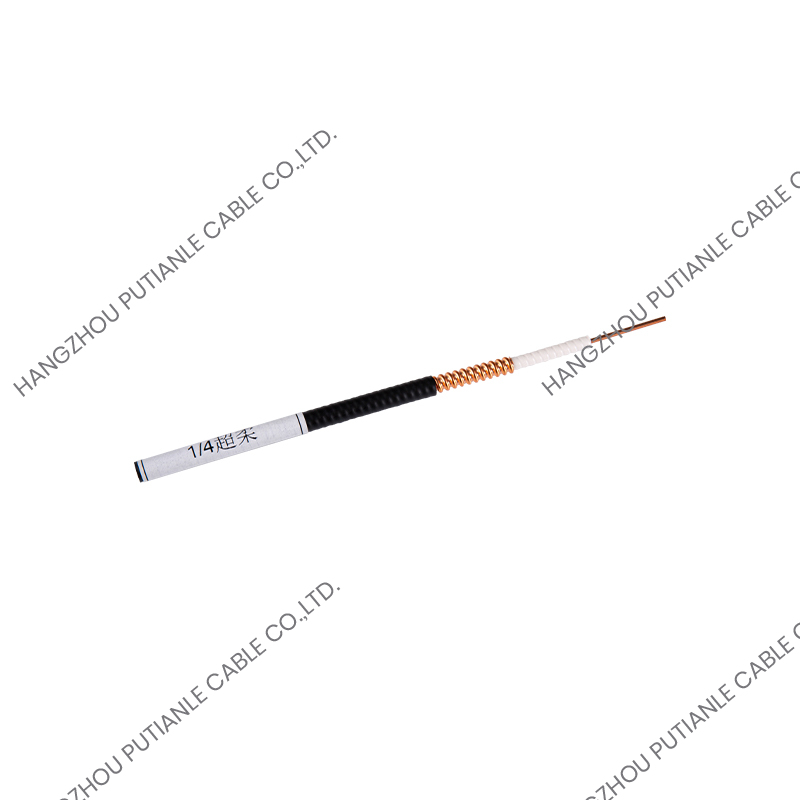
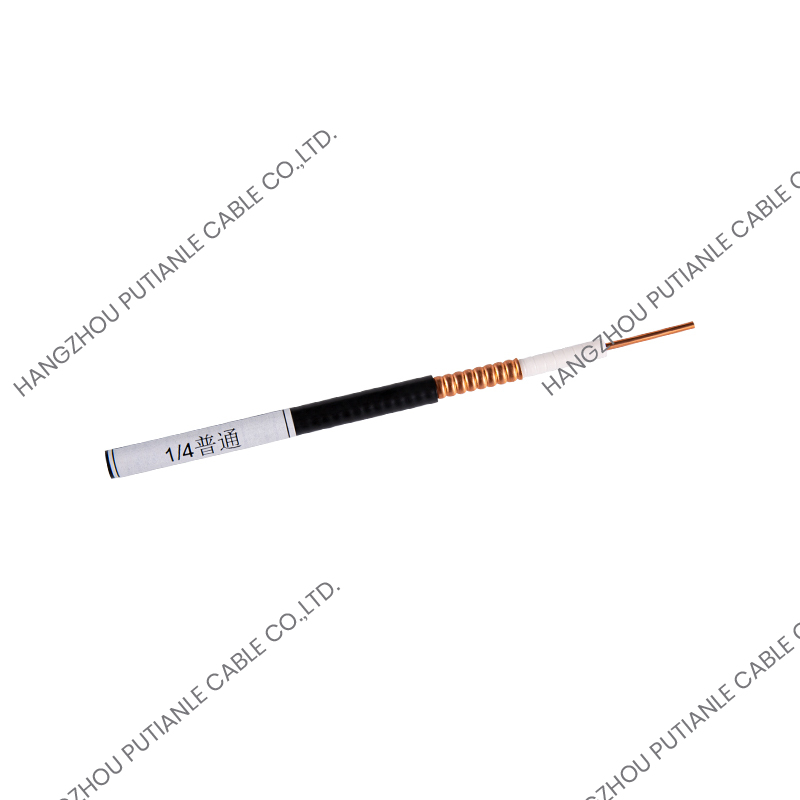
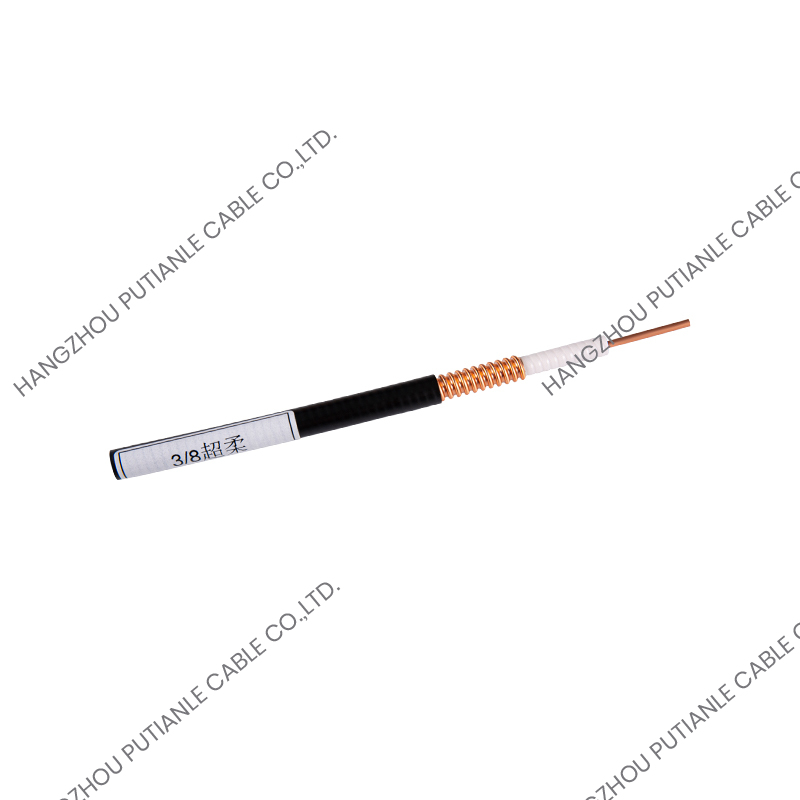
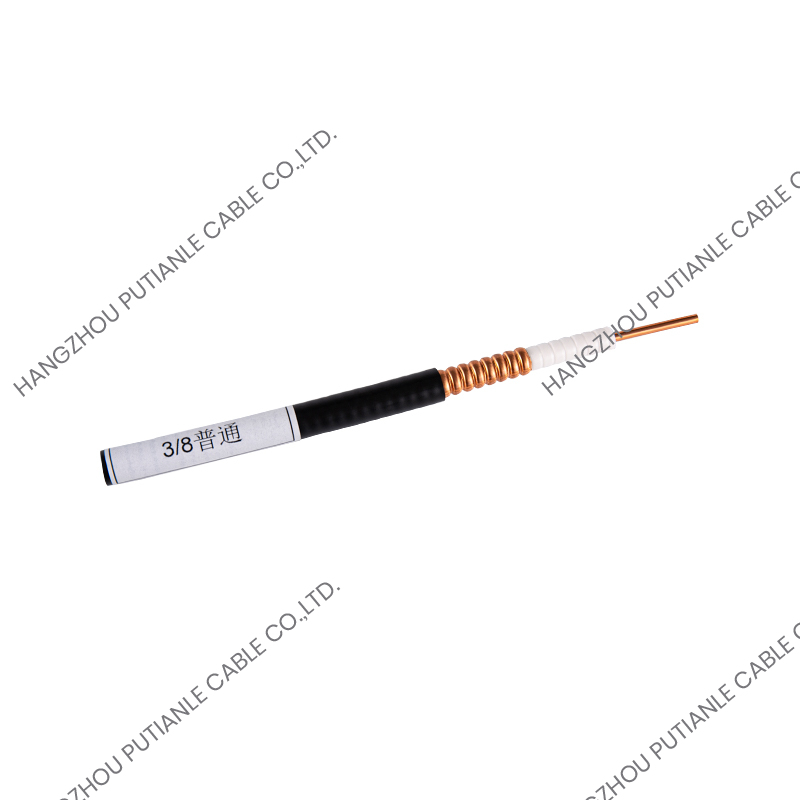
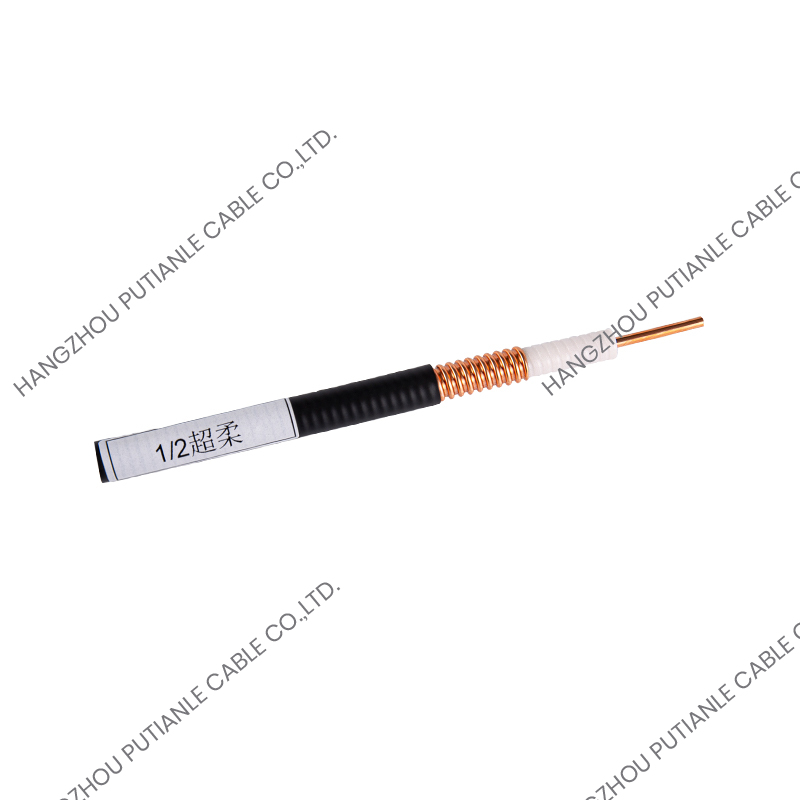
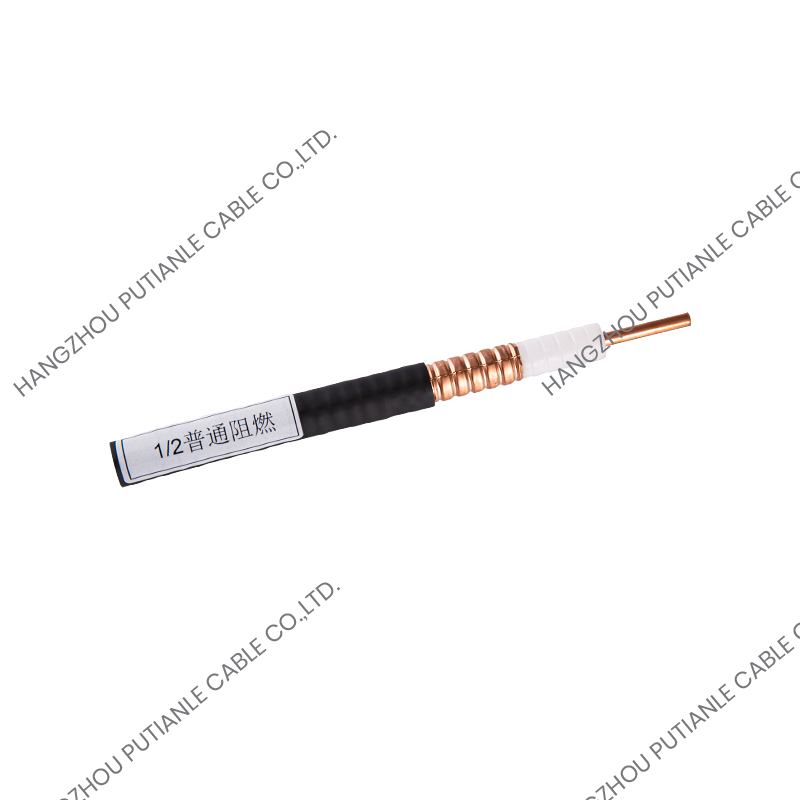
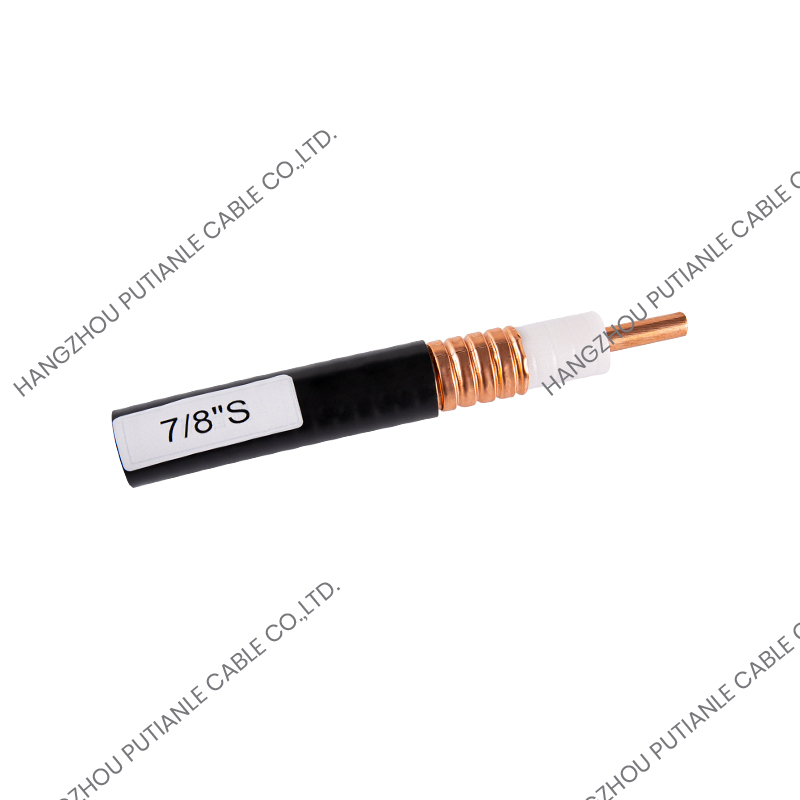
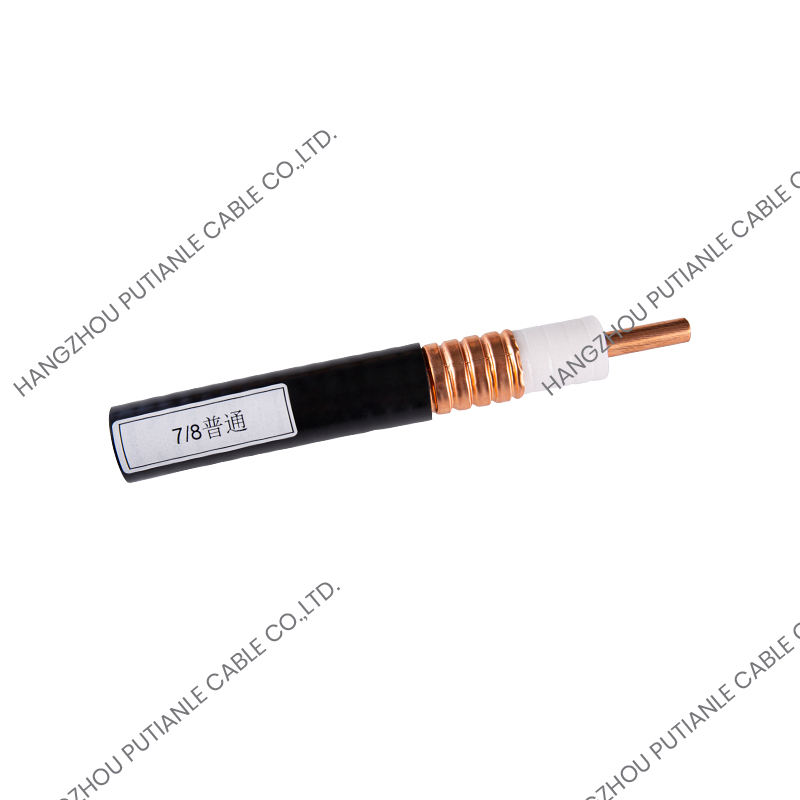
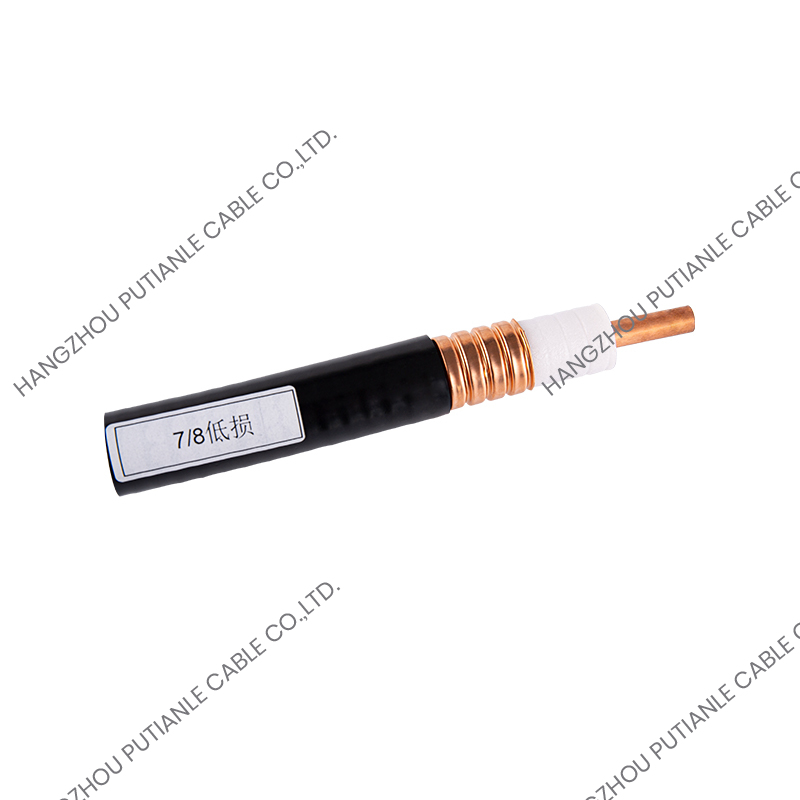
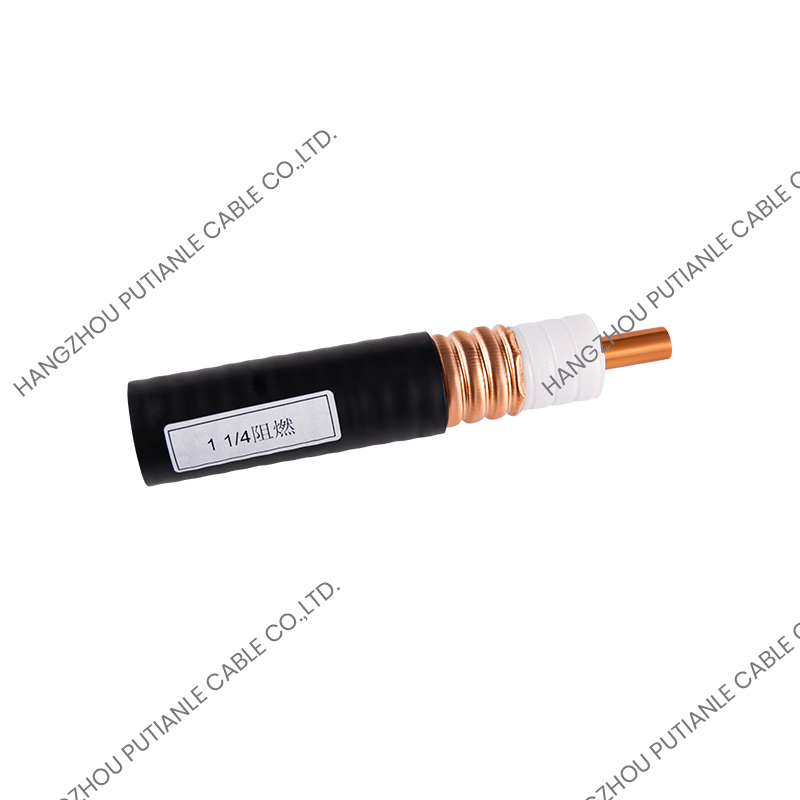
| RF corrugated coaxial cable | Copper or aluminum, PE or PVC layers | Separate from small jumpers, do not crush | Specialist cable recycler |
| Network/data cable | Copper pairs, PVC or LSZH insulation | Remove patch panels and connectors; bag separately | E-waste or cable recycler |
| Jumper leads and connectors | Short coax, brass or plated connectors | Unscrew connectors; do not mix with loose wire | E-waste; connectors may have resale value |
| Fiber optic cable | Glass fiber, aramid yarn, plastic layers | Do not cut; use a sharps container | Fiber or e-waste specialist |
| Power and control cable | Copper or aluminum, thick insulation | De-energize, remove plugs, check local rules | Scrap metal yard or licensed e-waste site |
Find the right recycling route
Start with your local authority, a reputable e-waste event, a scrap metal dealer, or a cable recycler that accepts insulated wire. Ask a few direct questions: Do you accept coaxial cable? Do you take fiber optic cable? How should connectors be separated? Do you provide a certificate of recycling for business loads? For an office or contractor, ask about pickup, weighing, and documentation before the cable leaves your site.
Avoid informal operators who burn cable in the open or export waste without the right permissions. A cheap pickup can become an environmental and reputational cost. If the cable has come from a secure site, also check with your IT or security team before disposal, even though the cable itself is not a data storage device.
What actually happens to old cable
Most cable recycling begins with mechanical processing. Cable is shredded or chopped, then separated by air, density, magnets, and other methods. Copper concentrate is recovered for smelting, aluminum may be separated, and plastic regrind can be used in lower-grade applications. Connectors and small metal fittings are separated as their own stream. Fiber optic cable is more difficult because the glass, aramid, and plastic layers need specialist handling, so it should go to a recycler that understands the material.
The environmental gain is real. Recovering copper from cable uses significantly less energy than producing primary copper from ore, and it keeps useful metal out of landfill. The plastic fraction still needs responsible handling, which is why a licensed recycler matters more than a quick scrap sale.
A simple checklist for offices and contractors
- Set up a dry, labeled bin for cable scrap and keep it away from general waste.
- Separate coax, data cable, fiber, jumper leads, and power cable at the point of removal.
- Remove connectors, cable ties, tape, and junction boxes; bag small parts separately.
- Record approximate quantities or take a photo before pickup for your environmental records.
- Use a licensed recycler and ask for a certificate or receipt for business loads.
- Train technicians not to burn cable, dump it in general waste, or store it outdoors where water and UV damage make recycling harder.
When replacing cable makes more sense than recycling
If a cable is brittle, waterlogged, crushed, or repeatedly failing tests, replacement may be safer than reuse or recycling alone. For CCTV and video runs, match the cable to the job and keep 75-ohm video cable separate from 50-ohm RF cable. A clean 75-ohm RG6 braided cable is a common choice for video and CCTV replacement work where the impedance and jacket suit the environment.
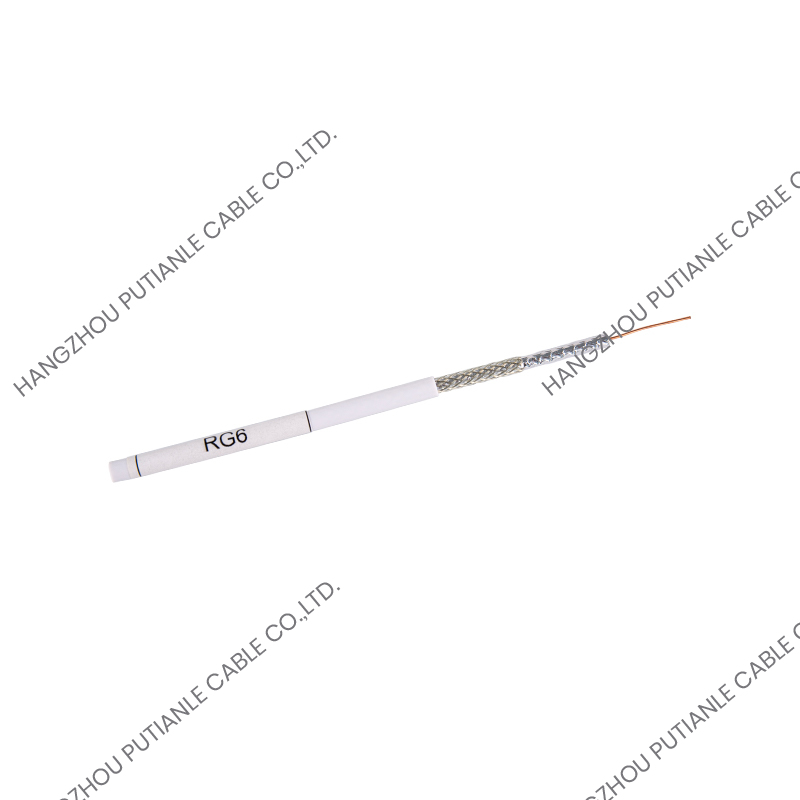 RG6 75-Ohm Braided Coaxial CableA 75-ohm RG6 braided cable for video and CCTV replacement, with flexible jacket and copper inner conductor for reliable signal clarity.View Product →
For broadband or data backbone upgrades, fiber optic cable can be the better long-term route, especially where distance or electrical interference is a concern. Choose a fiber construction that matches the installation route, indoor or outdoor, and do not mix fiber with copper scrap during disposal.
 GJXH-FIBER Ultra-Pure Glass Core Optical CableA fiber optic cable for high-speed data and broadband backbone upgrades, offering high bandwidth, low attenuation, and a durable buffer coating.View Product →
Replacement should not be automatic. Test first, reuse where safe, and recycle what has reached the end of its service life. When new cable is needed, choose a construction that fits the job rather than the cheapest drum on the shelf.
Common mistakes to avoid
- Burning insulation to recover copper, which releases toxic fumes and can be illegal.
- Putting loose cable into household recycling without checking local rules.
- Cutting fiber optic cable without eye protection or a proper sharps container.
- Mixing unknown legacy cable with regular scrap; some old cable may contain lead or other heavy metals.
- Storing cable outdoors where rain, sun, and pests reduce its recovery value.
- Stripping thin wire by hand instead of using proper tools and gloves.
Recycling old cables is a small habit with a long supply-chain effect. Sort it, keep it dry, ask your recycler the right questions, and avoid shortcuts. At Putianle Cable, we would rather see a cable reused or properly recycled than burned in a backyard or buried in general waste. If you are planning a replacement, check that the new cable matches the job. If you are clearing a store room, start with one labeled box and build from there.