中文简体
 English
 Español

Content
- 1 Why old cables are worth recycling
- 2 What counts as an old cable, and what needs separate handling
- 3 Step-by-step: how to prepare old cables for recycling
- 4 Where to recycle old cables
- 5 How cable recycling works
- 6 Reuse first: give working cables a second life
- 7 When to replace instead of recycle
- 8 A quick checklist for homes and offices
Old cables have a way of multiplying in drawers, cupboards, and office storage rooms. Most of them still contain valuable copper, aluminium, and plastic, yet many end up in general waste because recycling them feels complicated. This guide walks through the practical steps: what to keep, what to recycle, where to take it, and how to avoid the common mistakes that send recoverable materials to landfill.
Why old cables are worth recycling
Cables are not just plastic ropes with a plug on the end. They contain copper conductors, aluminium shielding, steel reinforcement, and polymer insulation. Recycling recovers these materials and reduces the need to mine and process new raw materials. Copper is particularly valuable because it can be recycled repeatedly without losing its conductive properties.
There is also a practical space argument. A drawer full of random chargers and patch leads is hard to use and easy to ignore. Campaigns that encourage people to clear out old cables often collect tens of thousands of items in a short period, which shows how much reusable and recyclable material sits unused in homes and offices. Recycling is also a safety habit: damaged cables can overheat or expose live wires, so frayed and cracked cables should be retired rather than kept in service.
What counts as an old cable, and what needs separate handling
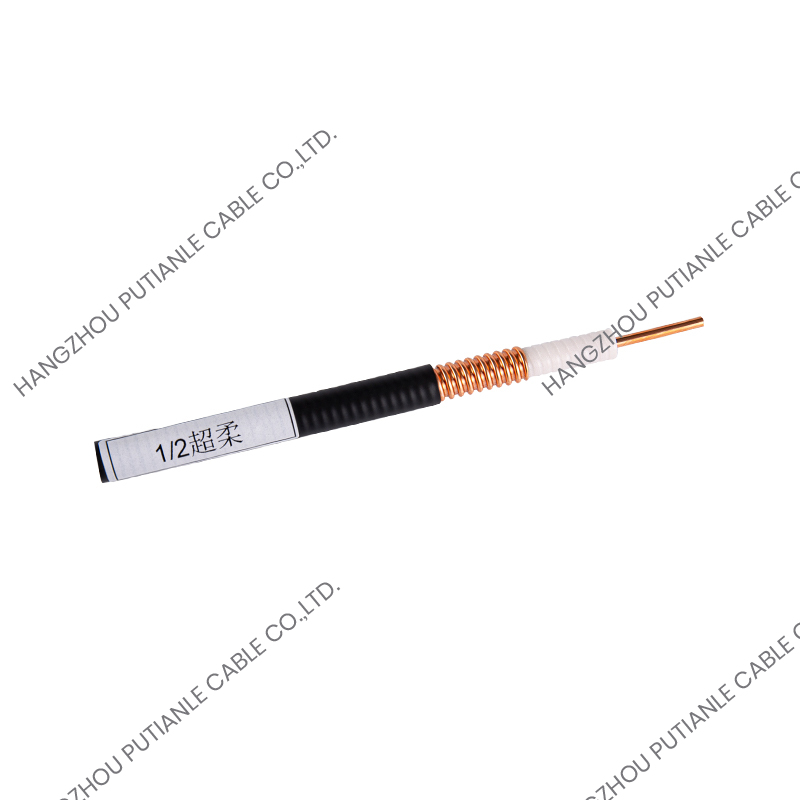
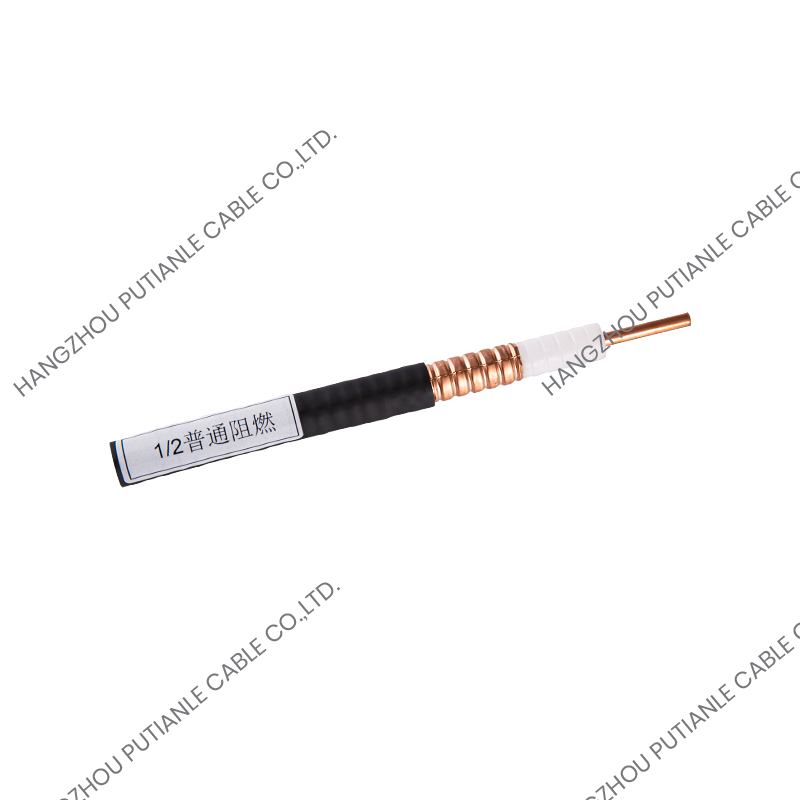
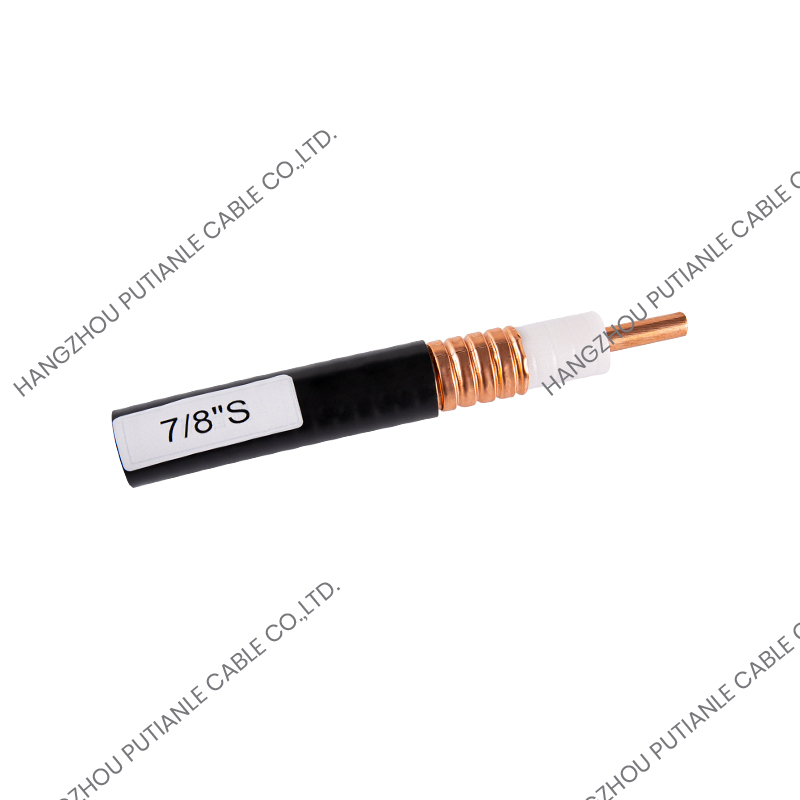
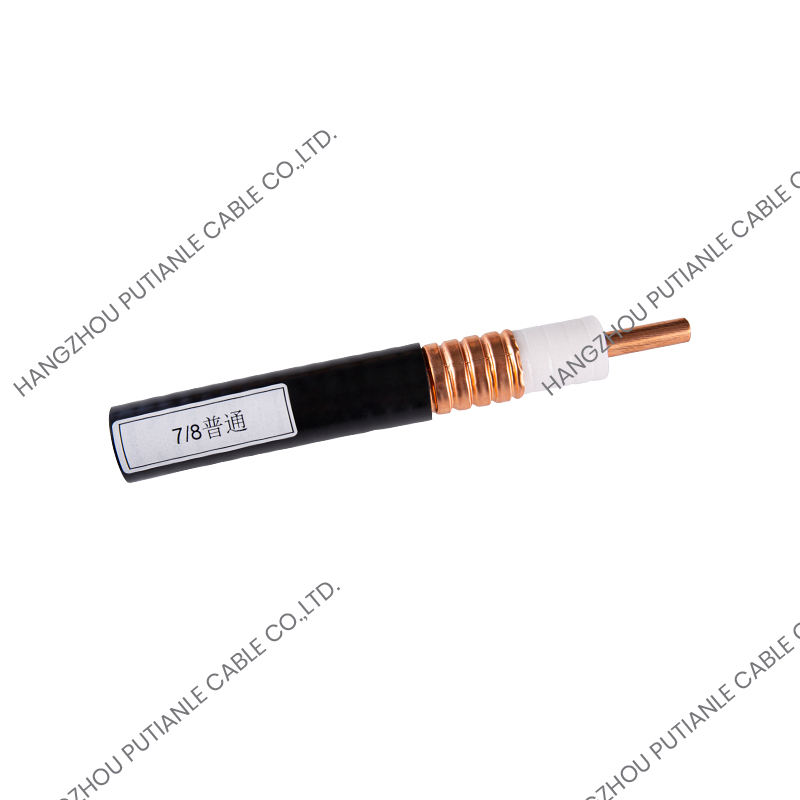
Most household cables can be recycled through an e-waste or scrap metal route. That includes power cords, extension leads, USB and charging cables, HDMI leads, Ethernet patch cables, coaxial cable, phone cords, audio cables, and low-voltage wiring. Working cables can often be reused or donated before they are recycled.
Some items need separate handling. Batteries should never go into cable recycling, and they should be removed from battery packs, old phones, and small devices before those items are dropped off. Power adapters and small electronics are e-waste rather than loose cable, so check the site rules. If you are sorting coaxial cable, it helps to know the main types; our guide to the main types of coaxial cables can help you tell common styles apart before you bundle them.
Step-by-step: how to prepare old cables for recycling
- Unplug everything first. Never cut or pull a cable that is still connected to power. Check for damage and keep frayed ends away from children and pets.
- Sort by condition. Test cables you think still work. Keep useful spares, donate them, or pass them to a community repair group. Set aside cracked, cut, or obsolete cables for recycling.
- Remove non-cable items. Take off tape, twist ties, zip ties, rubber bands, paper labels, and batteries. These can jam equipment or contaminate a material stream.
- Leave connectors on unless your recycler says otherwise. Many e-waste and scrap metal facilities accept complete cables. Stripping wire at home is unnecessary and can expose sharp copper or glass fibre.
- Bundle loosely. Coil each cable at a comfortable diameter and secure it with a reusable tie. Do not knot cables together. Loose bundles are easier for staff to sort and less likely to tangle in machinery.
- Separate fibre optic cable. Fibre contains glass, so it may need a different route from copper cable. Ask your local facility before putting it in a general e-waste bin.
- Label business or bulk loads. For offices, schools, and workshops, keep a simple inventory: cable type, approximate length, and condition. This helps the recycler and gives you a record for environmental reporting.
Where to recycle old cables
The right drop-off depends on where you live and how much cable you have. Start with your local municipal waste service or council recycling page. Many areas run household e-waste drop-off days, and some accept cables at permanent recycling centres. Ask specifically whether they take “e-waste”, “scrap metal”, or “cable and wire”, because the answer can vary by site.
Scrap metal yards are another practical option for larger amounts of copper and aluminium cable. They may accept stripped or unstripped cable, but call ahead to confirm the rules, minimum quantities, and whether they pay for metal. Electronics retailers sometimes run take-back programs for small cables and accessories. Community e-waste events, repair cafés, and charity shops may take working cables for reuse. For businesses, a licensed commercial e-waste recycler can handle bulk collections and provide documentation.
| Cable type | Common use | Best recycling route | Notes |
|---|---|---|---|
| Power cords and extension leads | Appliances, tools, lighting | E-waste drop-off or scrap metal yard | Unplug first; do not burn or strip live cable. |
| USB and charging cables | Phones, laptops, small devices | E-waste drop-off or retailer take-back | Working cables can be donated first. |
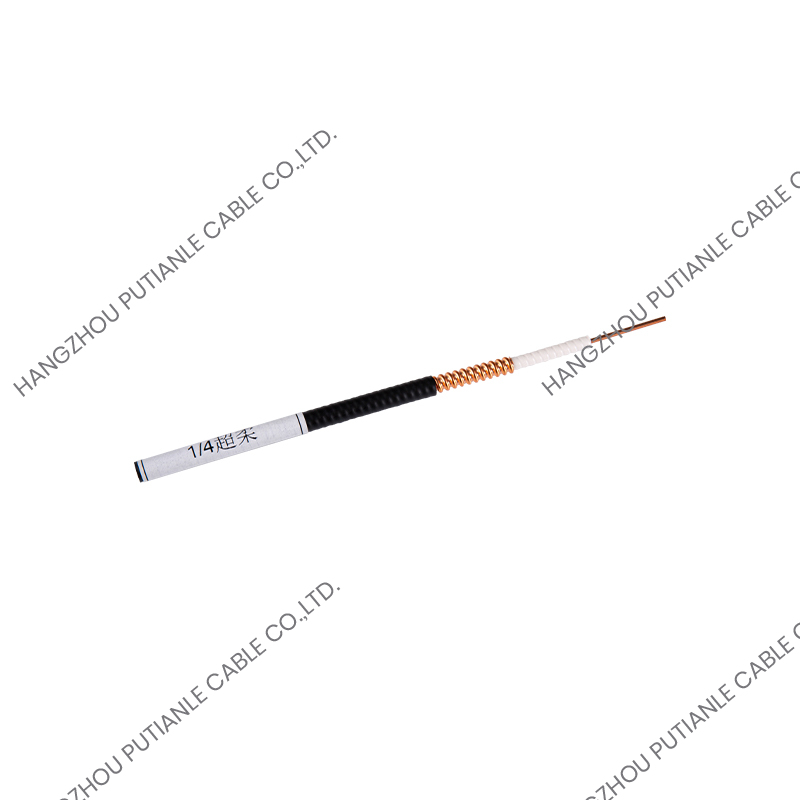
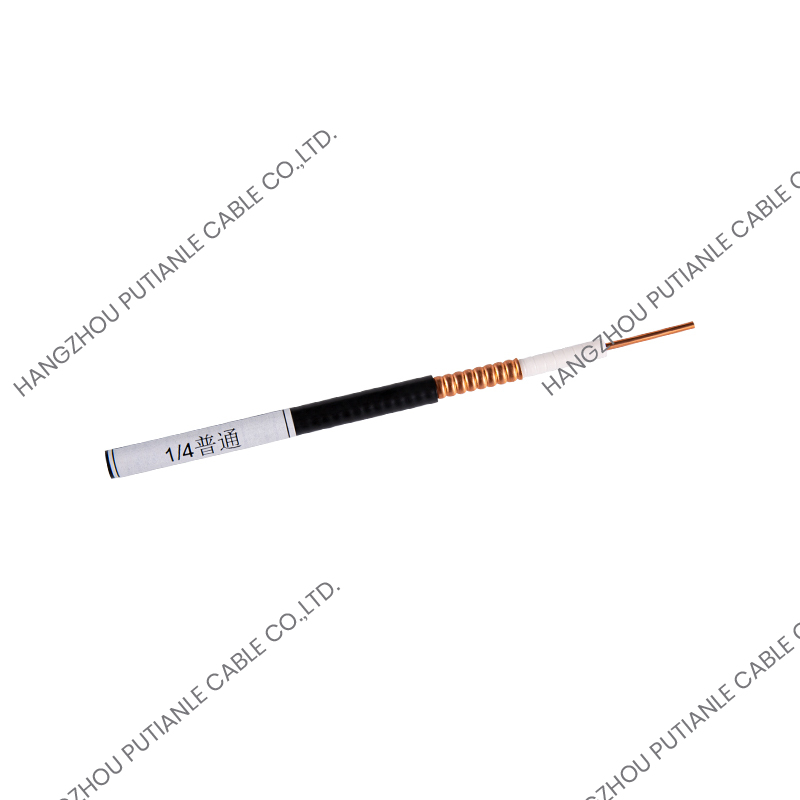
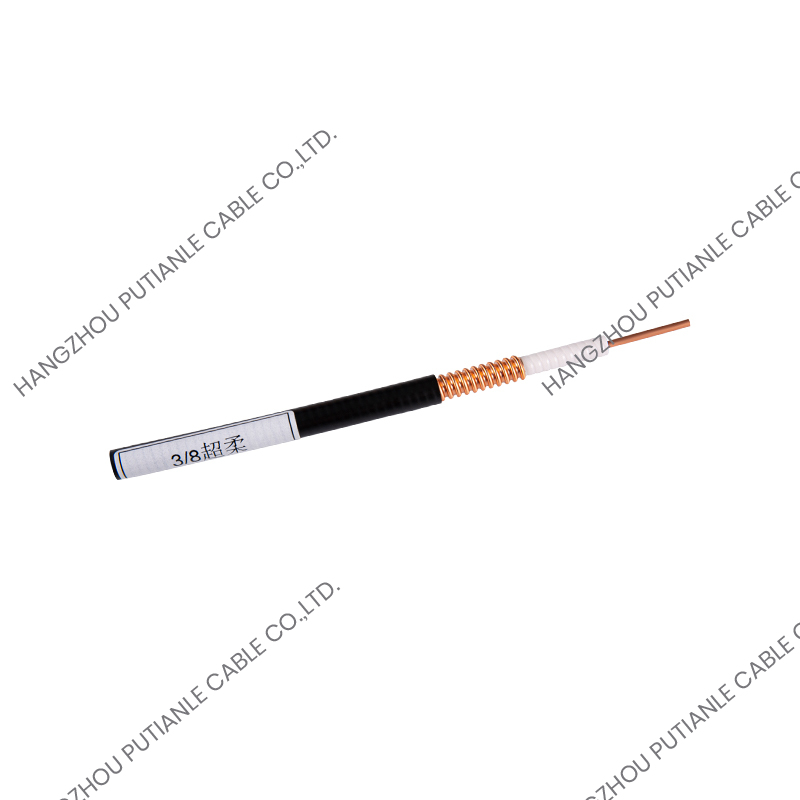
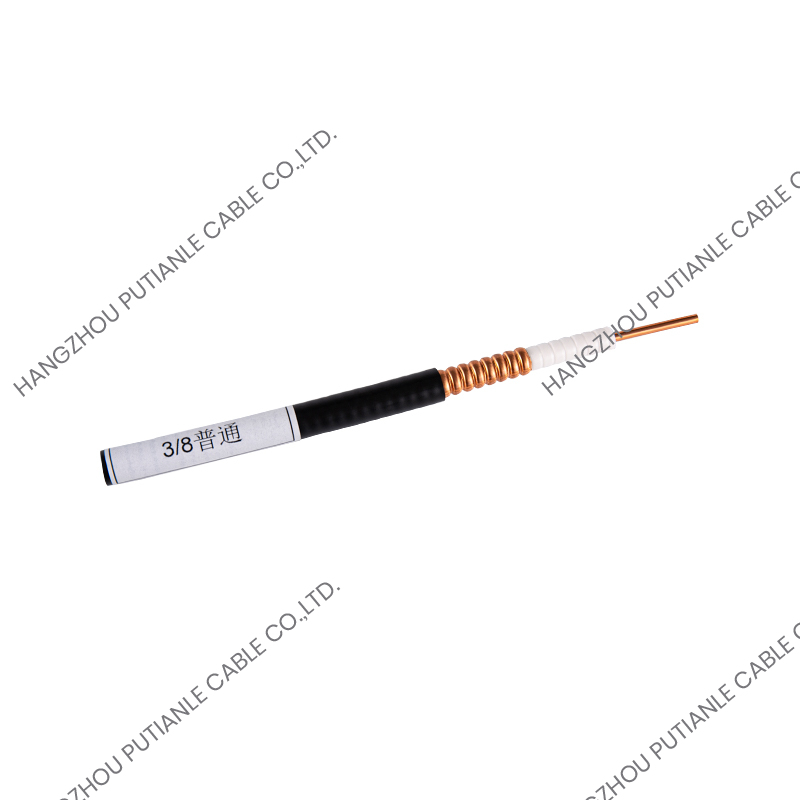
| Coaxial cables | TV, CCTV, radio, test equipment | Scrap metal yard or e-waste centre | Copper core and shielding are recoverable. |
| Ethernet and phone cables | Networks, landlines | E-waste drop-off | Keep connectors on unless asked otherwise. |
| Fibre optic cables | Broadband, data links | Specialised e-waste or local program | Contains glass fibre; do not burn. |
How cable recycling works
Once cables reach a recycler, they are usually sorted by material and type. Mixed cables go through shredding or granulation, then separation steps remove steel, aluminium, copper, and plastic. Magnets pull out ferrous metal, density and air separation help divide copper from insulation, and recovered plastic may be downcycled into new products. The copper is melted and refined for new wire and cable, electronics, and construction products.
Not every cable is equally easy to recycle. Cables with a high metal content, such as thick power leads and coaxial cable, are often attractive to scrap processors. Thin, mixed-material cables may go through e-waste channels instead. Either way, keeping cables clean and separate from batteries, tape, and general rubbish improves the chance that the material is actually recovered.
Reuse first: give working cables a second life
Recycling is good, but reuse is often better. Before you bundle a cable for recycling, test it. A working HDMI cable, USB-C lead, or Ethernet patch cable may be useful to a neighbour, school, repair café, or charity. Label the cable with its type and length so the next person knows what they have. Keep a small, organised box of spares instead of a tangled drawer, and store cables loosely coiled in a dry place.
Data security is mostly about devices, not cables. A cable does not store your files, but the phone, laptop, or drive at the other end might. If you are recycling a device along with its cable, wipe the device first and ask the recycler about data-bearing equipment.
When to replace instead of recycle
Some cables are not worth saving. Cracked insulation, bent connectors, intermittent charging, or a damaged outer jacket can be a safety risk. In that case, recycle the old cable and replace it with one that suits the job. For coaxial video and CCTV runs, a cable such as the RG6 outer conductor braiding cable is a common, practical choice.
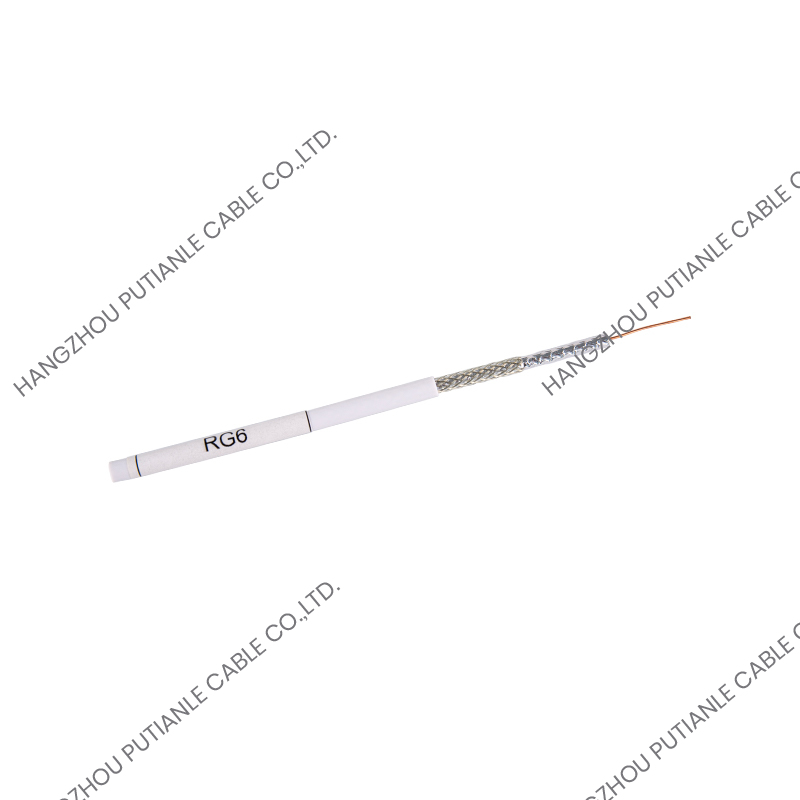 RG6 75-Ohm Braided Coaxial CableA practical coaxial replacement for TV and CCTV runs, with 75-ohm impedance and braided shielding for dependable signal transmission.View Product →
For broadband or fibre-to-the-room projects, a GJXH fibre optical cable can be a better fit than patching old copper. Choose the cable to match the signal, distance, and environment, and ask for the fire or environmental rating your installation requires.
 GJXH Ultra-Pure Glass Core Fiber Optic CableA fiber optic cable for broadband and fibre-to-the-room projects, offering high bandwidth and signal clarity over long and local network runs.View Product →
As a cable manufacturer, we would rather see a cable used for its full service life than replaced too early. But when replacement is necessary, responsible recycling keeps the old copper and plastic in the material loop instead of the rubbish bin.
A quick checklist for homes and offices
- Unplug and inspect every cable before handling it.
- Test working cables; donate or keep them as spares.
- Remove batteries, tape, ties, and non-cable rubbish.
- Bundle loosely and keep different cable types separate.
- Check local e-waste, scrap metal, and retailer take-back options.
- Never burn cable or put it in curbside recycling unless your council says it is accepted.
- For bulk office clear-outs, use a licensed recycler and keep a collection record.
The best approach is simple: reuse what works, recycle what does not, and keep old cables out of the general waste stream. A little sorting at home or in the office makes the recycler’s job easier and helps recover materials that can go back into new products.