中文简体
 English
 Español

Content
- 1 What Is Fiber Optic Cable Recycling?
- 2 Why Recycling Fiber Optic Cable Matters
- 3 What Materials Can Be Recovered?
- 4 The Recycling Process Step by Step
- 5 Challenges in Recycling Fiber Optic Cable
- 6 How to Dispose of Old Fiber Optic Cables Responsibly
- 7 Designing for Recyclability: A Manufacturer's Perspective
- 8 Partnering with a Cable Manufacturer Who Cares
At Hangzhou Putianle Cable Co., Ltd., we have spent more than two decades manufacturing coaxial cables and fiber optic cables for broadband transmission. Over the years, we have seen firsthand how quickly technology evolves—and how often old cables are replaced. That is why fiber optic cable recycling has become a topic close to our hearts. Whether you are a network operator, a CCTV system integrator, or a contractor cleaning out a warehouse, knowing how to handle retired fiber optic cable responsibly can make a real difference.
This guide shares practical, experience-based advice on fiber optic cable recycling. We will look at what can be recovered, how the process works, and what you can do to keep valuable materials out of landfill.
What Is Fiber Optic Cable Recycling?
Fiber optic cable recycling is the process of recovering useful materials from discarded or obsolete fiber optic cables. Unlike copper cables, fiber optic cables do not contain large amounts of high-value metal. Their core is glass, surrounded by protective layers of plastic, aramid yarn, and sometimes steel or aluminum strength members. Because of this mixed construction, recycling fiber optic cable requires more than simply stripping and selling the metal.
Instead, recycling focuses on separating the different materials so they can be reused or processed properly. The glass fiber itself is difficult to melt down into new optical fiber, but it can be crushed and used as a filler material in construction or as a component in composite products. The plastic jackets and strength members can often be recycled through standard plastic recovery streams, depending on the polymer type. Even the small amount of metal—such as steel wire or aluminum tape—can be recovered and sold as scrap.
Why Recycling Fiber Optic Cable Matters
You might wonder whether it is worth the effort, especially when scrap yards sometimes say fiber optic cable has little value. In our experience, the value goes beyond the resale price of the materials. Responsible recycling matters for three main reasons:
- Environmental protection: Fiber optic cable contains plastics that can take hundreds of years to degrade in landfill. Recycling reduces waste and lowers the demand for virgin materials.
- Regulatory compliance: Many regions now restrict the disposal of electronic and telecommunication waste. Proper recycling helps you stay compliant with e-waste regulations.
- Resource recovery: Glass, plastics, and metals all require energy to produce. Recovering them saves energy and reduces the carbon footprint of your network upgrades.
As a manufacturer, we also see recycling as part of a broader commitment to sustainability. When old cables are handled correctly, the industry moves one step closer to a circular economy.
What Materials Can Be Recovered?
Fiber optic cables vary widely in design, but most contain a similar set of materials. The table below summarizes what can typically be recovered and how.
| Material | Typical Location | Recycling Route |
|---|---|---|
| Glass fiber | Core and cladding | Crushed and used as filler or composite reinforcement |
| Plastic jacket | Outer sheath | Sorted by polymer type and reprocessed into plastic pellets |
| Aramid yarn | Strength members | Often incinerated for energy recovery or downcycled |
| Steel wire | Armoring or strength member | Sold as scrap metal and melted for new steel products |
| Aluminum tape | Moisture barrier | Recovered as non-ferrous scrap |
The exact mix depends on the cable type. For example, indoor cables may have fewer metal components, while outdoor armored cables contain more steel. Knowing what is inside your cable helps you choose the right recycling partner.
The Recycling Process Step by Step
From our perspective as a cable manufacturer, a well-run recycling process follows a logical sequence. While every facility may differ, the general steps are:
- Collection and sorting: Gather retired cables and separate fiber optic cables from copper or coaxial cables. Mixing materials can reduce the value of the recovered streams.
- Manual dismantling or stripping: Remove connectors, junction boxes, and any attached hardware. For large cables, workers may strip the outer jacket to expose the inner components.
- Shredding and granulation: The cable is cut into small pieces. This step prepares the material for separation.
- Air separation or density separation: Lightweight plastics and aramid fibers are separated from heavier glass and metal fractions using air classifiers or water-based density tanks.
- Magnetic and eddy current separation: Steel is removed with magnets, while aluminum is separated using eddy current equipment.
- Final processing: Each material stream is cleaned, baled, and sent to its respective recycling market—plastic recyclers, metal smelters, or glass processors.
A reputable recycler will be transparent about these steps and will provide documentation for the materials they handle. If a recycler cannot explain where your cable ends up, it may be worth looking elsewhere.
Challenges in Recycling Fiber Optic Cable
We will be honest: fiber optic cable is not the easiest material to recycle. The biggest challenge is its composite construction. Glass, plastic, and aramid are tightly bonded, and separating them cleanly requires specialized equipment.
Another issue is the low intrinsic value of the glass fiber. Unlike copper, recovered glass does not fetch a high price, so recyclers need volume to make the process economically viable. This is why some scrap yards refuse fiber optic cable altogether. In addition, cables with metallic strength members may require extra processing to remove the metal without contaminating the plastic stream.
Despite these challenges, progress is being made. New separation technologies and better cable designs are making recycling more practical every year. As a manufacturer, we are also doing our part by designing cables that are easier to dismantle and by choosing materials that fit existing recycling streams.
How to Dispose of Old Fiber Optic Cables Responsibly
If you have old fiber optic cables on hand, here are some practical steps you can take:
- Do not put them in regular trash. Fiber optic cable is not general waste, and many local regulations prohibit it.
- Check with your cable supplier. Some manufacturers, including us, can advise on recycling options or take back cables as part of a larger order.
- Find a certified e-waste or cable recycler. Look for facilities that accept telecommunication cable and can handle composite materials.
- Separate connectors and metal hardware. These small parts are often the most valuable and easiest to recycle.
- Store cables dry and untangled. Clean, dry, and neatly coiled cables are easier for recyclers to process.
- Ask for a certificate of recycling. This documents that your cable was handled responsibly and can help with compliance reporting.
For network operators planning an upgrade, it is also smart to include a decommissioning plan from the start. That way, old cables are removed, sorted, and sent for recycling before they accumulate in a warehouse.
Designing for Recyclability: A Manufacturer's Perspective
From our factory in Lin'an, known as China's cable town, we have learned that recycling begins at the design stage. A cable that is easy to strip, with clearly separated layers and fewer mixed materials, is far easier to recycle than a tightly bonded composite. That is why we pay attention to material selection and construction in our fiber optic cable lines.
Our fiber optic cable range includes several models designed for indoor and outdoor use, such as the GJXFH, GJXH, GJYXCH, and GJYXFCH. These cables are built with durable jackets and strength members that can be separated during recycling. While no cable is 100% recyclable today, we continue to improve our designs to reduce waste and support responsible disposal.
 GJXFH-FIBER Reinforced Armor Layer Optical CableView this armored fiber optic cable for high-speed, long-distance networks, with recyclable-design considerations and durable construction suited to demanding deployments.View Product →
If you are specifying cable for a new project, consider how it will be handled at the end of its life. Choosing a manufacturer that understands recycling can save you headaches later. You can read more about environmental factors to consider when choosing fiber optic cables in our knowledge base.
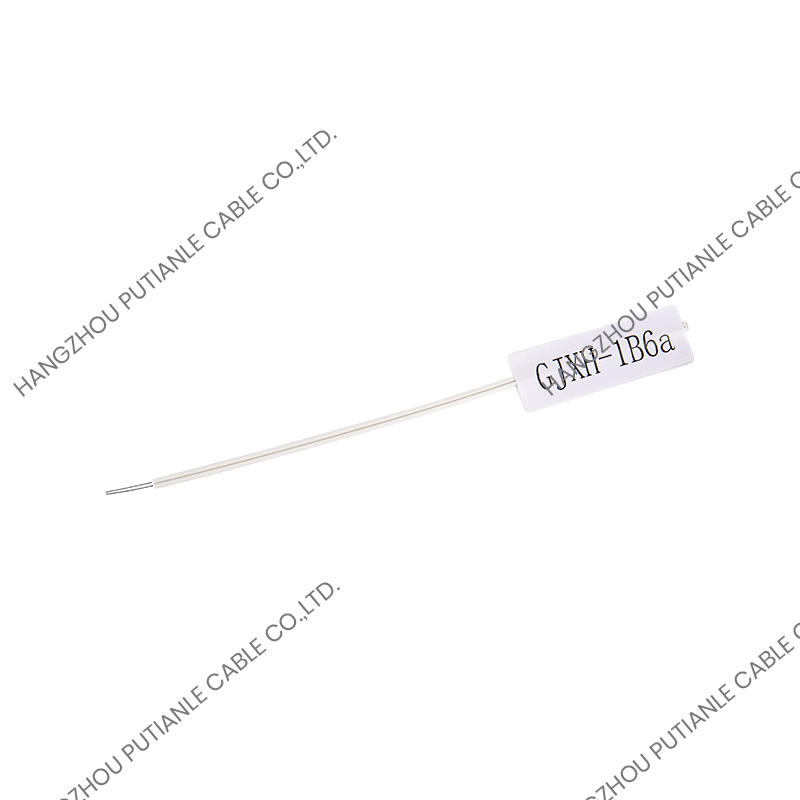 GJXH-FIBER Ultra-Pure Glass Core Optical CableReview this ultra-pure glass core fiber cable for high-bandwidth LAN and long-haul transmission, offering low attenuation, durability, and flexible installation.View Product →
Partnering with a Cable Manufacturer Who Cares
Hangzhou Putianle Cable Co., Ltd. has been manufacturing coaxial and fiber optic cables since 2003. We supply customers across China and export to more than 30 countries. Our product portfolio includes 50-ohm and 75-ohm coaxial cables, fiber optic cables, connectors, jumper cables, and leakage cables. But beyond the catalog, we bring something else to the table: decades of hands-on experience with the real-world challenges of cable installation, maintenance, and disposal.
We are not a recycling company, but we are a manufacturing partner who takes environmental responsibility seriously. When you work with us, you get practical advice on cable selection, storage, and end-of-life handling. We are always happy to discuss your project and help you find the right cable for your needs—and the right way to retire it when the time comes.
To learn more about our company and our approach to quality and sustainability, visit Hangzhou Putianle Cable.
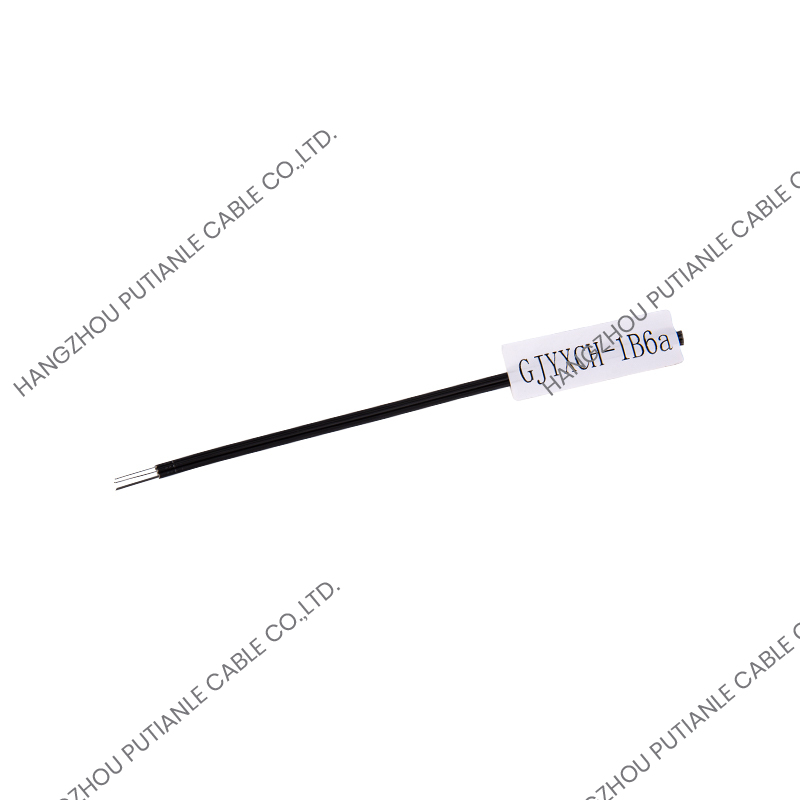 GJYXCH-FIBER Long Distance Communication Optical CableConsider this long-distance fiber optic cable for backbone networks, featuring low attenuation, high tensile strength, and flexible deployment for demanding infrastructure.View Product →
Fiber optic cable recycling may not be the simplest task, but it is an important one. By understanding the materials, following responsible disposal practices, and choosing cables from manufacturers who care about recyclability, you can reduce waste and contribute to a more sustainable telecom industry. We hope this guide has been helpful. If you have questions about your specific cables, feel free to reach out to our team.