中文简体
中文简体 English
 Español
Content
What Are 75 Ohm Braiding Cables?
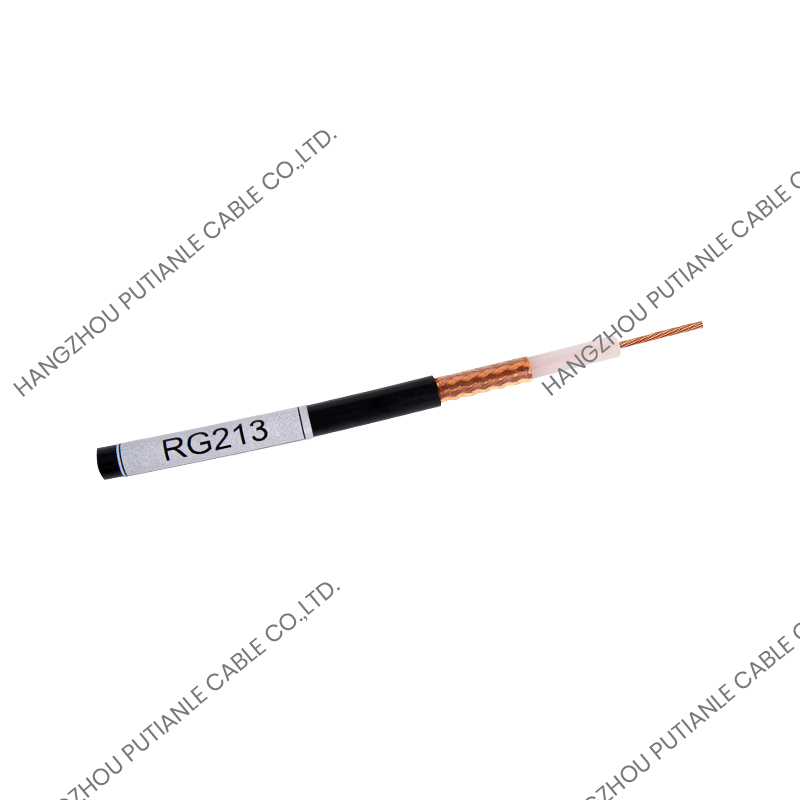
75 Ohm braiding cables are specialized coaxial cables designed to provide a stable impedance of 75 ohms, which is ideal for high-frequency signal transmission. These cables consist of a central conductor, an insulating dielectric, a braided shield, and an outer jacket. The braided shield plays a crucial role in reducing electromagnetic interference (EMI) and maintaining signal integrity.
They are commonly used in video, television, and broadband internet applications where signal loss must be minimized. The 75 Ohm specification ensures compatibility with most consumer electronics and broadcast equipment.
How Are 75 Ohm Braiding Cables Constructed?
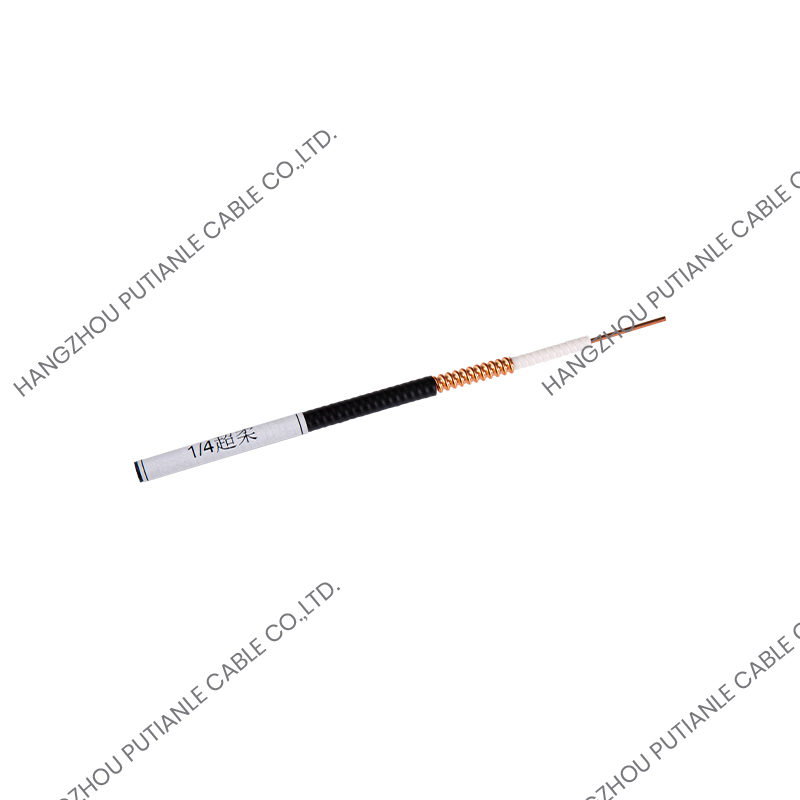
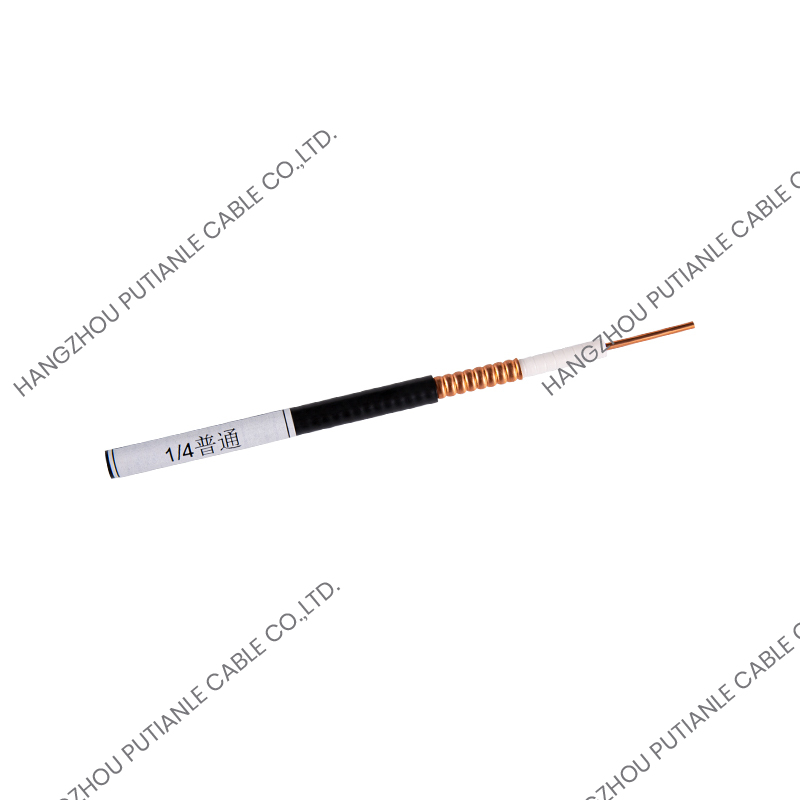
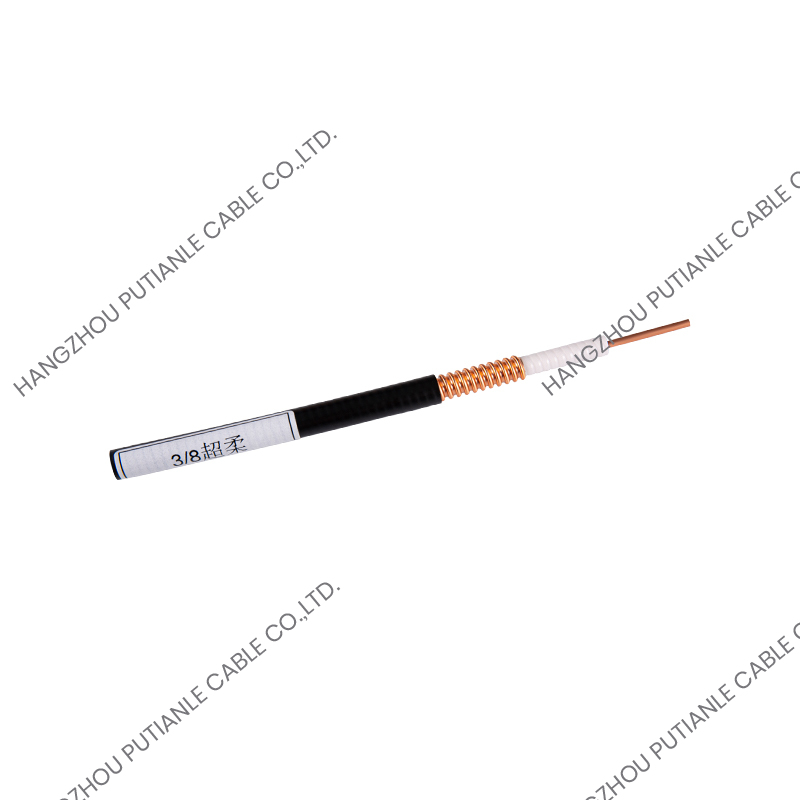
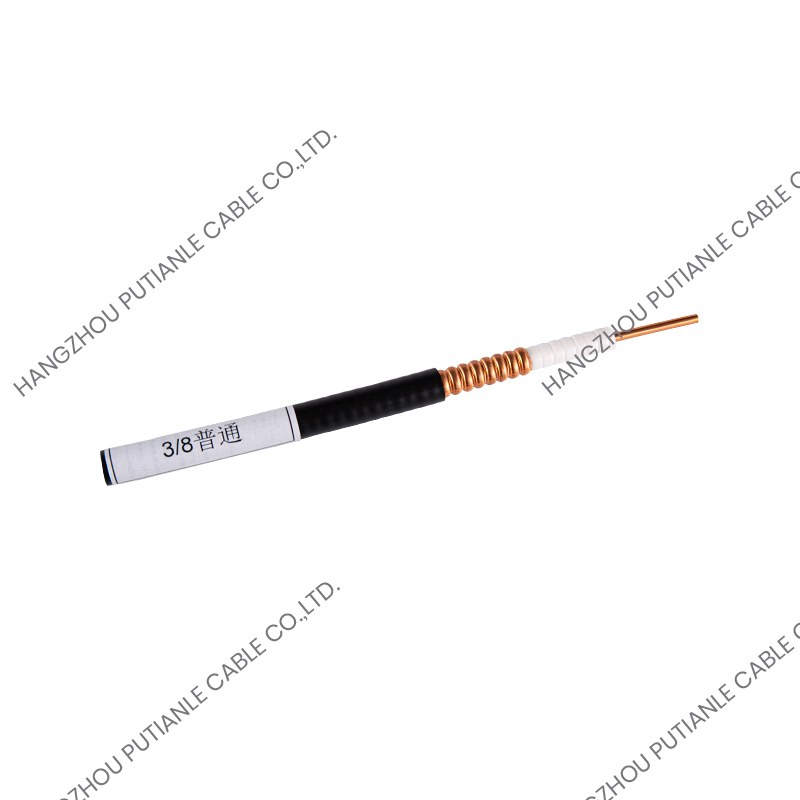
The construction of 75 Ohm braiding cables is critical to their performance. Each layer contributes to signal integrity, durability, and flexibility.
Central Conductor
The inner conductor is typically made of high-purity copper or copper-clad aluminum. Copper provides excellent conductivity, ensuring minimal signal attenuation. The diameter and material of the conductor are carefully calculated to maintain the 75 Ohm characteristic impedance.
Dielectric Insulation
Surrounding the conductor is a dielectric layer made of polyethylene, foam, or PTFE. This layer separates the conductor from the braided shield and maintains a consistent impedance across the cable length. Dielectric quality significantly affects signal loss and frequency response.
Braided Shield
The braided shield is composed of woven copper or tinned copper wires. It provides electromagnetic shielding to prevent interference from external sources. The braid density, usually expressed as a percentage, affects both flexibility and shielding effectiveness.
Outer Jacket
The outer jacket protects the cable from mechanical damage, moisture, and environmental conditions. Materials such as PVC, PE, or LSZH (low-smoke zero halogen) are commonly used depending on the application environment.
What Are the Advantages of Using 75 Ohm Braiding Cables?
75 Ohm braiding cables offer several advantages that make them the preferred choice for high-frequency signal transmission.
- Superior Signal Integrity: The precise 75 Ohm impedance minimizes signal reflections and ensures high-quality transmission.
- Excellent EMI Protection: The braided shield effectively reduces interference from surrounding electrical devices.
- Durability: High-quality insulation and outer jackets provide resistance to wear, moisture, and environmental stress.
- Flexibility: Braided shielding allows for easy bending and routing in tight spaces without compromising performance.
Where Are 75 Ohm Braiding Cables Used?
75 Ohm braiding cables are highly versatile and find applications in several industries.
| Application | Purpose | Benefit |
| Broadcasting | Video and TV signal transmission | Minimal signal loss, clear quality |
| Internet & Networking | Cable internet connections | Stable data transfer, reduced interference |
| Home AV Systems | Connecting televisions, receivers, and projectors | Reliable video and audio transmission |
| Surveillance Systems | CCTV camera installations | High-quality video feed with low signal degradation |
How to Choose the Right 75 Ohm Braiding Cable?
Selecting the right cable depends on specific system requirements and installation conditions.
- Check the required frequency range to ensure the cable supports the intended signal type.
- Select appropriate braid coverage; higher density offers better EMI protection.
- Consider jacket material based on installation environment, such as indoor, outdoor, or underground.
- Verify compatibility with connectors and terminations for seamless installation.
Conclusion: Why 75 Ohm Braiding Cables Are Vital
75 Ohm braiding cables are a cornerstone of modern signal transmission systems, providing superior impedance control, EMI protection, and signal quality. From broadcast studios to home AV setups and surveillance systems, these cables ensure reliable, high-fidelity transmission. Understanding construction, selection criteria, and applications allows users to maximize performance and longevity of their cabling systems.