中文简体
中文简体 English
 Español
Content
- 1 Why 50 Ohms: The Standard Impedance Explained
- 2 Common 50 Ohm Coaxial Cable Types
- 3 Performance Comparison of 50 Ohm Cable Types
- 4 Application-Specific Cable Selection
- 5 Environmental Considerations and Cable Ratings
- 6 Connector Compatibility and Assembly Considerations
- 7 Cost Versus Performance Trade-offs
- 8 Making Your Cable Selection Decision
50 ohm coaxial cables serve as the backbone of countless RF and microwave communication systems, from cellular networks and Wi-Fi installations to test equipment and broadcasting infrastructure. Understanding the different types of 50 ohm coax cables available and their specific characteristics is essential for engineers, technicians, and system designers who need to ensure optimal signal transmission, minimize losses, and achieve reliable performance. This comprehensive guide explores the various 50 ohm coaxial cable types, their construction features, performance specifications, and applications to help you make informed decisions for your projects.
Why 50 Ohms: The Standard Impedance Explained
The choice of 50 ohms as the standard impedance for RF systems represents a carefully calculated compromise between power handling capability and signal loss. When engineers analyzed coaxial cable performance in the mid-20th century, they discovered that different impedances optimized different characteristics. An impedance of 30 ohms provides maximum power handling capacity, while 77 ohms offers minimum attenuation for air-dielectric cables. The 50 ohm impedance sits between these extremes, providing excellent power handling while maintaining reasonably low signal loss.
This standardization enables compatibility across RF equipment, antennas, and transmission lines, simplifying system design and ensuring predictable performance. The 50 ohm standard dominates applications including cellular communications, radio broadcasting, satellite systems, and electronic test equipment. Understanding this foundation helps explain why various 50 ohm cable types exist, each optimized for specific frequency ranges, power levels, and environmental conditions while maintaining this critical impedance characteristic.
Common 50 Ohm Coaxial Cable Types
RG-58 Coaxial Cable
RG-58 represents one of the most widely recognized 50 ohm coaxial cables, featuring a compact 0.195-inch (5mm) outer diameter that makes it highly flexible and easy to route in tight spaces. The cable typically consists of a stranded or solid center conductor, polyethylene dielectric insulation, braided copper shield providing approximately 95% coverage, and PVC outer jacket. This construction delivers adequate performance for frequencies up to 1 GHz, though attenuation increases significantly at higher frequencies.
RG-58 finds extensive use in short-run applications where flexibility and ease of handling outweigh the need for minimum signal loss. Common applications include test equipment connections, amateur radio installations, instrumentation wiring, and legacy computer networks. The cable's relatively high attenuation compared to larger cables limits its usefulness for long runs or high-frequency applications, but its low cost and versatility make it a popular choice for general-purpose RF connections.
RG-213 and RG-8 Coaxial Cable
RG-213 and its close relative RG-8 provide substantially lower attenuation than RG-58 through their larger 0.405-inch (10.3mm) diameter construction. These cables feature a larger center conductor, thicker polyethylene dielectric, and improved shielding that typically includes both braid and foil layers achieving 95% or better coverage. The increased size results in approximately 50% lower signal loss compared to RG-58 at typical operating frequencies, making these cables suitable for longer cable runs and higher power applications.
The improved performance comes at the cost of reduced flexibility and increased weight, making installation more challenging in confined spaces. RG-213 and RG-8 serve admirably in base station antenna feedlines, radio transmitter connections, and applications requiring cable runs exceeding 50 feet where signal loss becomes significant. The cables handle power levels up to several hundred watts, depending on frequency and operating conditions, making them popular in amateur radio, commercial broadcasting, and fixed wireless installations.
LMR Series Cables
The LMR (Low Loss Microwave) series represents a family of high-performance 50 ohm coaxial cables designed to minimize signal attenuation while maintaining flexibility and durability. Available in multiple sizes including LMR-195, LMR-240, LMR-400, LMR-600, and LMR-900, these cables utilize advanced dielectric materials, improved shielding designs, and precision manufacturing to achieve superior performance compared to traditional RG-type cables. The number designation roughly corresponds to the cable's outer diameter in tenths of an inch.
LMR cables employ a solid or stranded copper-clad aluminum center conductor, foam polyethylene dielectric that reduces signal loss, bonded aluminum foil inner shield, tinned copper braid outer shield, and durable UV-resistant polyethylene jacket. This construction delivers attenuation values 30-50% lower than equivalent RG cables while maintaining good flexibility and handling characteristics. LMR series cables dominate modern wireless installations including cellular base stations, Wi-Fi networks, GPS systems, and professional RF applications where performance justifies the premium cost.
Heliax and Corrugated Cables
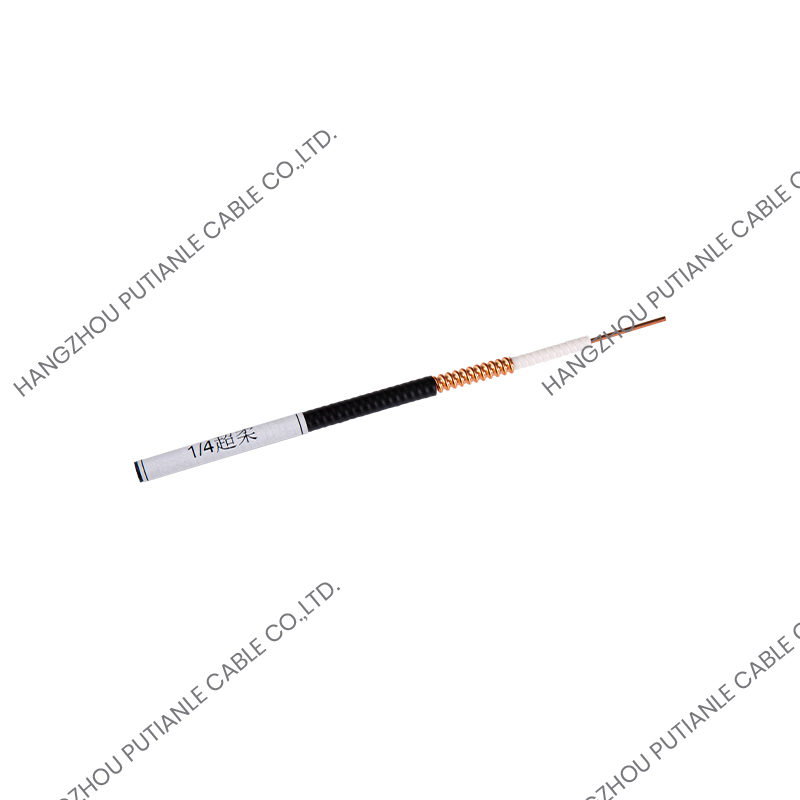
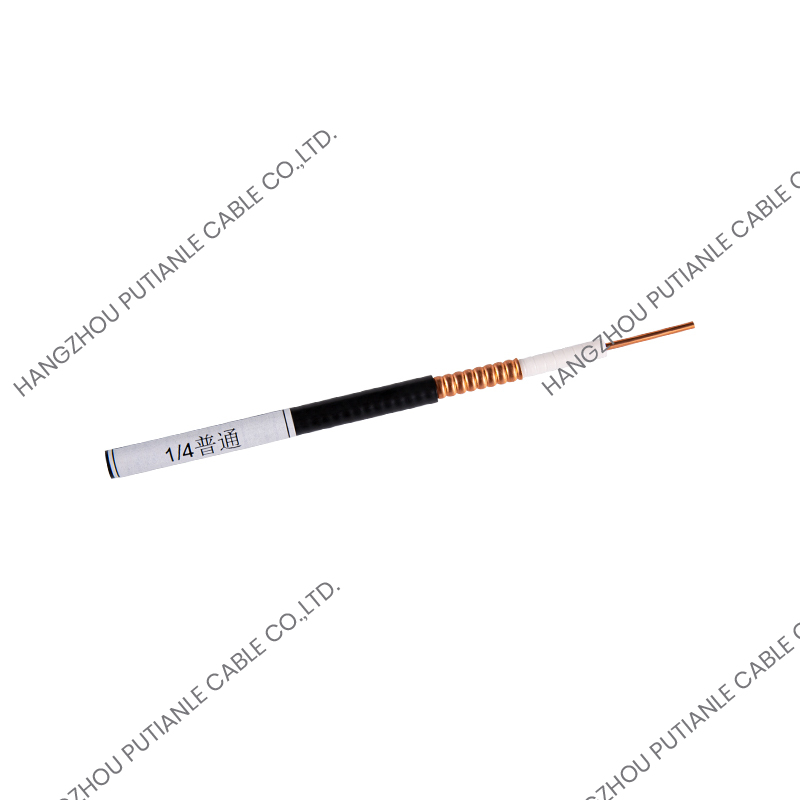
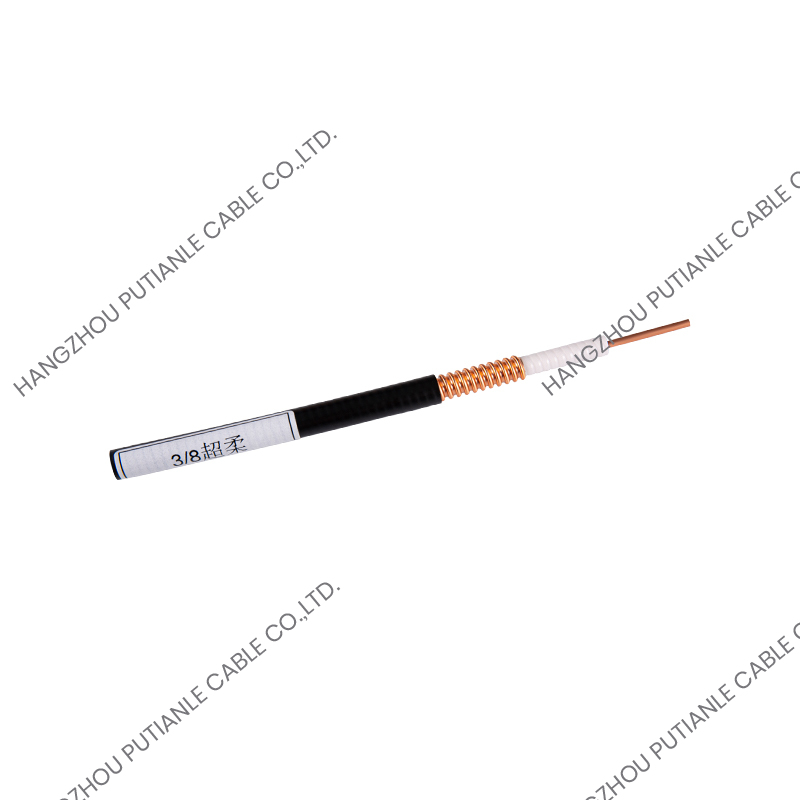
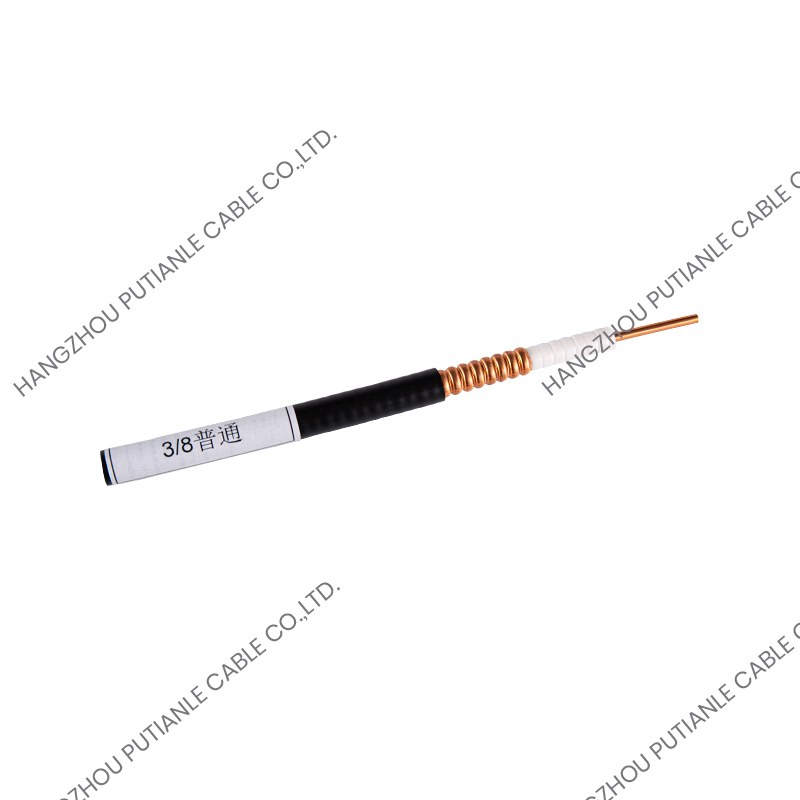
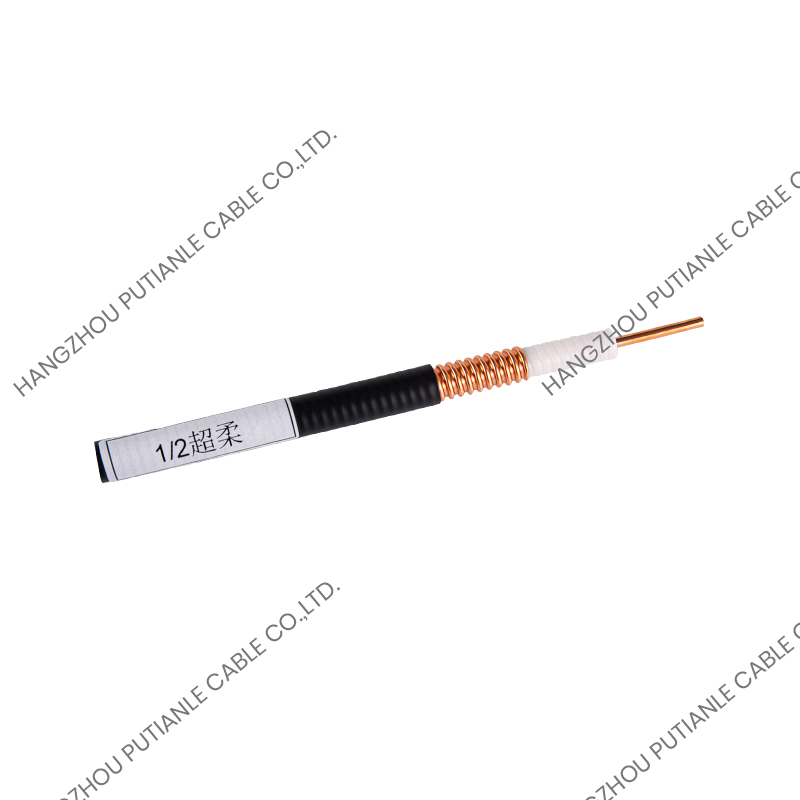
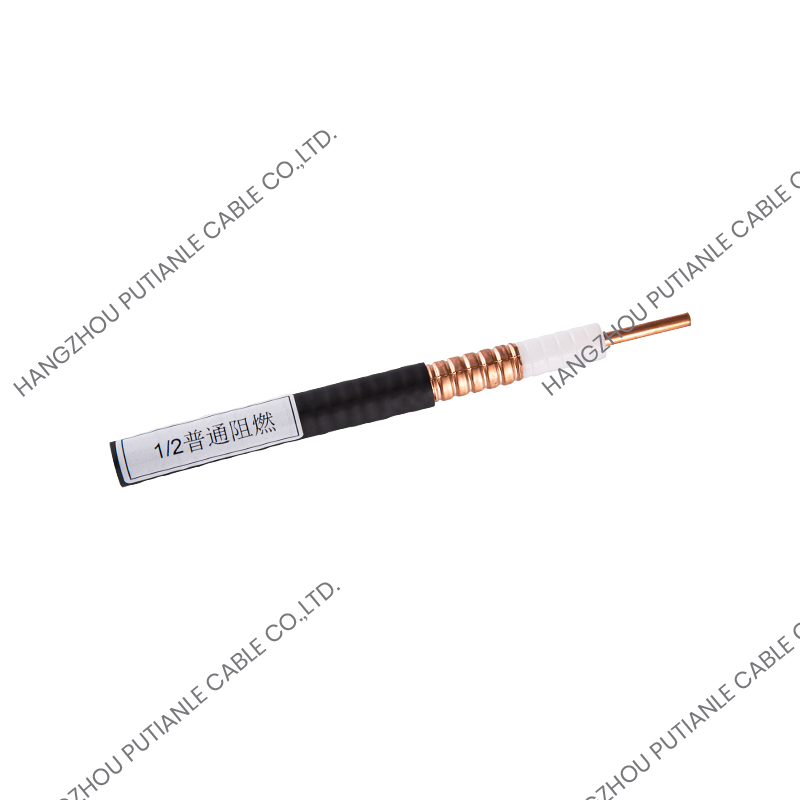
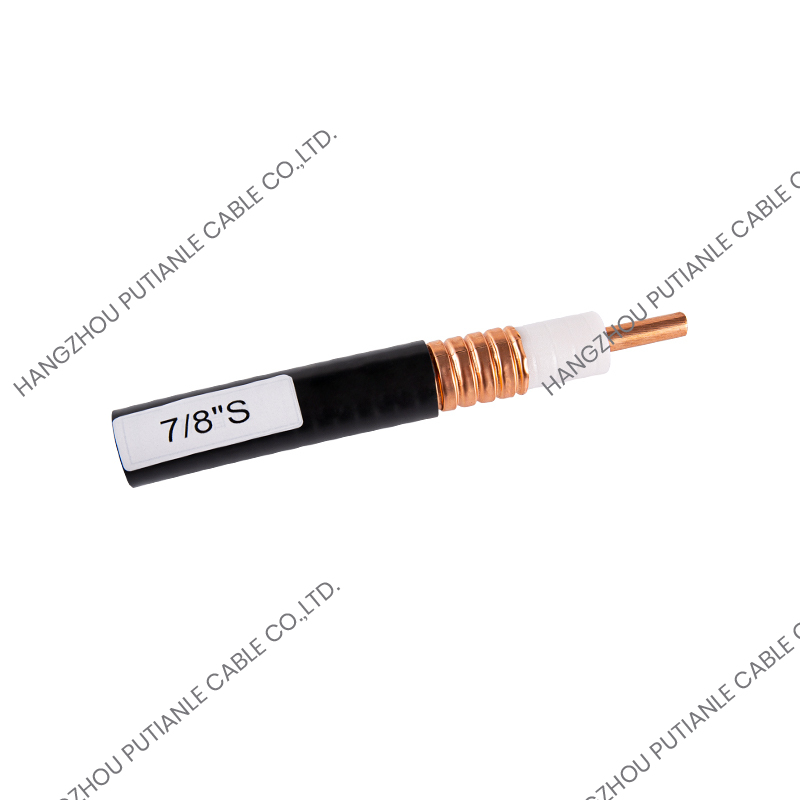
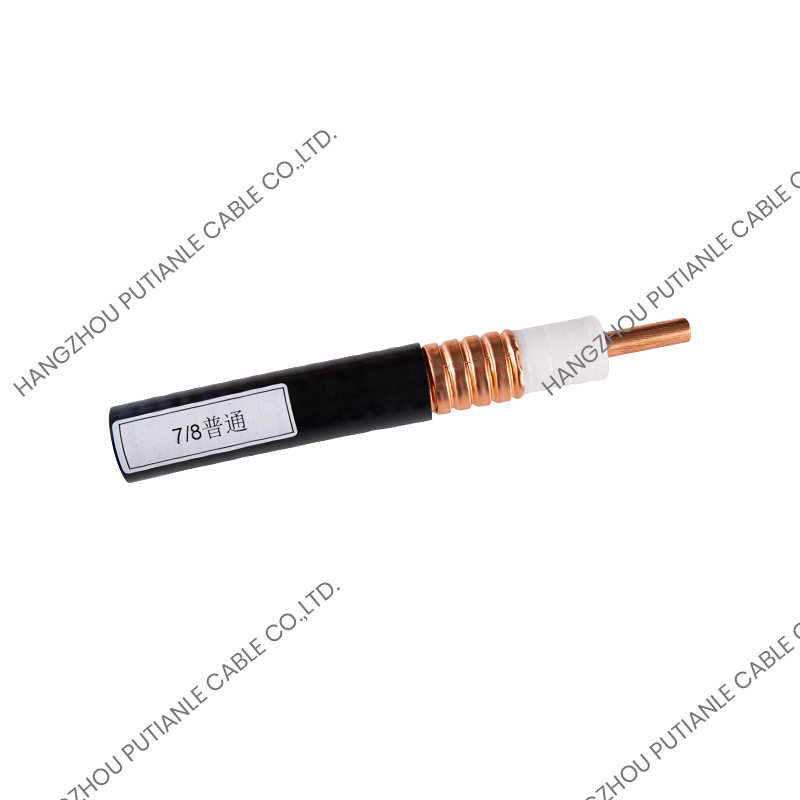
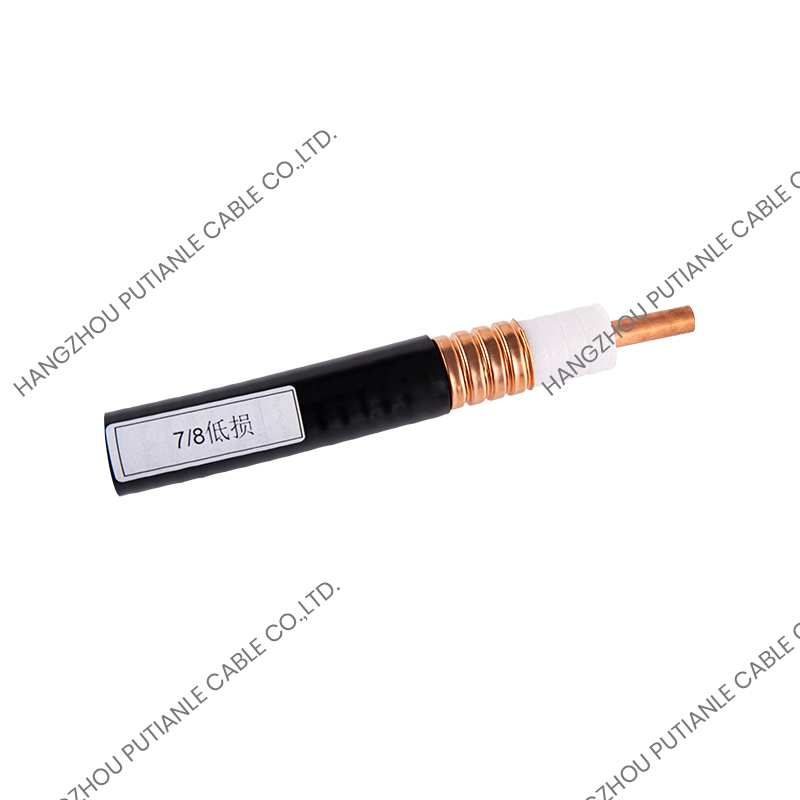
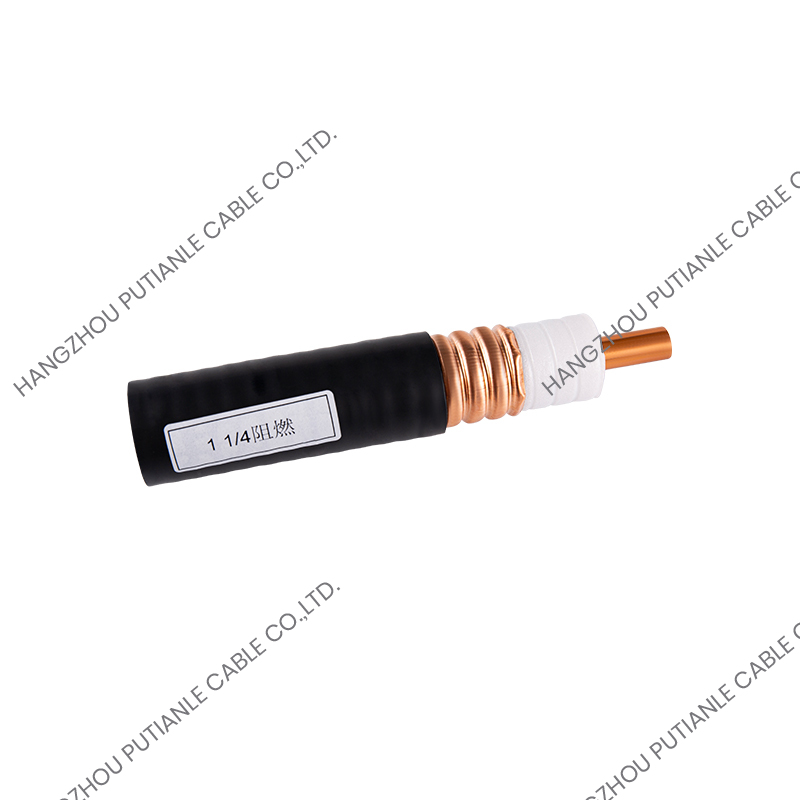
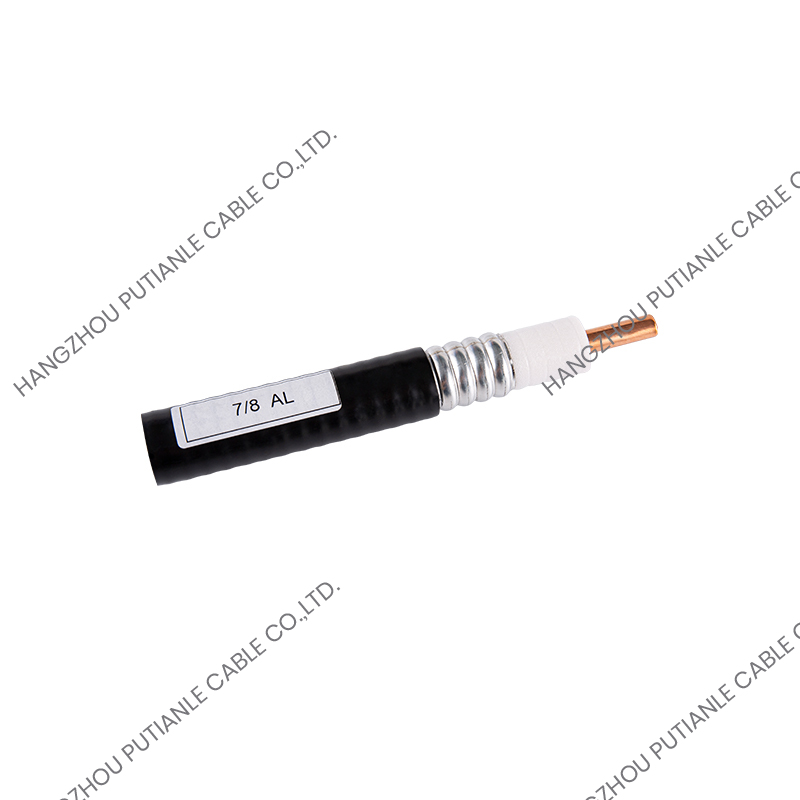
Heliax cables represent the premium tier of 50 ohm coaxial cable construction, featuring solid corrugated copper outer conductors that provide exceptional shielding effectiveness and extremely low signal loss. These cables utilize air as the primary dielectric material, supported by periodic polyethylene or foam spacers that maintain center conductor positioning. The corrugated outer conductor provides mechanical strength, superior shielding exceeding 120 dB, and weather resistance for outdoor installations without requiring additional protective jacketing.
The air dielectric construction achieves the lowest possible attenuation for coaxial cables, making Heliax ideal for critical, high-power, or long-run applications where signal loss must be minimized. Common applications include broadcast tower antenna feedlines, cellular macro site installations, microwave communication links, and high-power radio transmitters. The rigid or semi-rigid construction requires specialized installation techniques and connectors, and the premium performance comes with correspondingly premium pricing that limits use to applications where performance justifies the investment.
Performance Comparison of 50 Ohm Cable Types
Understanding how different 50 ohm cable types perform across key parameters helps in making appropriate selections for specific applications. The following comparison highlights critical specifications that impact system performance and reliability.
| Cable Type | Diameter | Loss at 1 GHz (dB/100ft) | Max Frequency | Flexibility |
| RG-58 | 0.195 in | 11-13 dB | 1 GHz | Excellent |
| RG-213 | 0.405 in | 5.5-6.5 dB | 1 GHz | Moderate |
| LMR-240 | 0.240 in | 8.0 dB | 6 GHz | Good |
| LMR-400 | 0.405 in | 3.9 dB | 6 GHz | Good |
| LMR-600 | 0.590 in | 2.7 dB | 6 GHz | Moderate |
| Heliax 1/2" | 0.630 in | 2.0 dB | 7 GHz | Rigid |
Application-Specific Cable Selection
Wi-Fi and Short-Range Wireless Systems
Wi-Fi installations operating at 2.4 GHz and 5 GHz frequencies require careful cable selection to minimize signal loss that directly impacts coverage range and data throughput. For cable runs under 10 feet, such as connecting access points to nearby antennas, RG-58 or LMR-195 provides adequate performance with easy routing and installation. As cable length increases beyond 10 feet, upgrading to LMR-240 or LMR-400 becomes necessary to maintain acceptable signal levels, particularly at 5 GHz where attenuation increases substantially.
Long runs exceeding 50 feet demand low-loss cables like LMR-600 or even Heliax to prevent excessive signal degradation. Each additional decibel of cable loss reduces effective antenna gain and system range proportionally, making cable selection critical for achieving design objectives. Modern Wi-Fi 6 and Wi-Fi 6E systems operating at 6 GHz place even greater demands on cable performance, often requiring premium low-loss cables for all but the shortest connections.
Cellular and Base Station Applications
Cellular base stations, distributed antenna systems (DAS), and small cell installations represent demanding applications where cable performance directly impacts network coverage and capacity. These systems typically operate across multiple frequency bands from 700 MHz through 3.5 GHz and beyond, requiring cables that maintain low loss across broad frequency ranges. Tower-mounted antennas connected to ground-level equipment may require cable runs exceeding 100 feet, where every decibel of loss represents reduced coverage area or increased power consumption.
LMR-400 serves as the minimum acceptable choice for many cellular installations, with LMR-600 or Heliax preferred for longer runs or higher frequencies. The choice balances cable cost against system performance, with premium cables justified when improved performance translates to reduced site count, improved coverage, or enhanced capacity. Indoor DAS systems may utilize smaller cables like LMR-240 or LMR-195 where shorter runs and space constraints favor flexibility over ultimate performance.
Test and Measurement Equipment
Laboratory and field test equipment connections demand cables that maintain signal integrity without introducing measurement errors or uncertainty. Test cables must provide consistent impedance, low VSWR (Voltage Standing Wave Ratio), and minimal insertion loss across the entire measurement frequency range. Phase stability and amplitude consistency with temperature and flexing are critical for precision measurements, particularly in automated test systems or production environments.
- Short bench connections under 3 feet: High-quality RG-58 or specialized test-grade cables
- Medium runs 3-10 feet: LMR-240 or phase-stable test cables
- Long runs or high-frequency testing: LMR-400 or semi-rigid coax
- Precision applications: Hand-formed semi-rigid or phase-matched cable assemblies
Environmental Considerations and Cable Ratings
Outdoor and Weather Exposure
Cables installed outdoors face environmental challenges including UV radiation, temperature extremes, moisture intrusion, and physical wear that can degrade performance over time. Standard PVC-jacketed cables deteriorate rapidly under UV exposure, becoming brittle and cracking within months of outdoor installation. UV-resistant polyethylene jackets, such as those used on LMR series cables, provide protection for direct sun exposure, extending service life to years or decades when properly installed.
Moisture intrusion represents another critical concern, as water penetration along the cable length or through connector interfaces degrades dielectric properties and increases attenuation. Flooding compounds, gel-filled constructions, and corrugated copper outer conductors provide various levels of moisture protection. Proper connector installation with weatherproofing tape, heat-shrink boots, and weatherproof enclosures prevents moisture entry points that compromise system performance.
Temperature Range and Flexibility
Operating temperature range affects both immediate cable performance and long-term reliability. Standard PVC jackets become stiff and difficult to handle in cold temperatures below 0°C (32°F) while softening excessively in heat above 60°C (140°F). Applications in extreme climates require specialized jacket materials like polyethylene or fluoropolymers that maintain flexibility from -40°C to +85°C or beyond. The dielectric material also experiences temperature-dependent changes in electrical properties that affect signal velocity and attenuation.
Flexibility requirements vary by installation type, with fixed installations tolerating stiffer cables in exchange for better electrical performance, while mobile or repeatedly flexed applications demanding cables specifically designed for mechanical durability. Stranded center conductors provide superior flex life compared to solid conductors, while braided shields handle flexing better than foil shields that can crack and degrade with repeated bending.
Connector Compatibility and Assembly Considerations
Proper connector selection and installation critically impact overall system performance, as poorly assembled connectors introduce impedance discontinuities, increase loss, and create potential failure points. Each cable type requires specific connectors designed to match its dimensions and construction. N-type connectors dominate professional installations due to their excellent performance to 11 GHz, weather resistance, and reliable mechanical coupling. BNC connectors suit test equipment and lower-frequency applications with their quick-connect convenience, while SMA connectors serve higher-frequency needs up to 18 GHz or beyond.
Connector assembly methods include crimp, compression, and solder types, each offering distinct advantages. Crimp connectors provide fast, repeatable installation with proper tools, compression connectors deliver superior performance with simplified installation, and solder connectors offer maximum reliability when expertly assembled. Using connectors specifically designed for your cable type ensures proper fit, maintains impedance matching, and provides specified performance. Mixing connectors and cables can result in poor mechanical fit, compromised electrical performance, and unreliable connections that degrade over time.
Cost Versus Performance Trade-offs
Cable selection often involves balancing performance requirements against budget constraints. Premium low-loss cables cost substantially more than basic RG types, with pricing ranging from under $1 per foot for RG-58 to $5-10 per foot for LMR-600 and $20+ per foot for large-diameter Heliax. This price differential extends to connectors and installation labor, as larger, more specialized cables require professional-grade tools and expertise for proper termination.
However, the total system cost extends beyond initial cable purchase to include installation labor, system performance, operational costs, and lifecycle maintenance. A moderately longer cable run with premium low-loss cable may cost less overall than a shorter run requiring expensive amplifiers to compensate for cable loss. Additionally, superior cables reduce maintenance frequency and extend replacement intervals, lowering total ownership costs over system lifetime. Analyzing these factors holistically often justifies premium cable investments that deliver lower total cost despite higher initial expense.
Making Your Cable Selection Decision
Choosing the right 50 ohm coaxial cable requires systematic evaluation of multiple factors specific to your application. Begin by determining the required frequency range, as this eliminates cables with inadequate high-frequency performance. Calculate acceptable signal loss based on available power, system gain, and receiver sensitivity to establish maximum permissible cable attenuation. Consider cable length, routing challenges, and installation constraints that may favor flexibility over ultimate performance or require specific jacket types for environmental protection.
Evaluate power handling requirements to ensure selected cables support transmitted power levels without overheating or voltage breakdown. Review environmental factors including temperature extremes, UV exposure, moisture potential, and physical stress that demand specialized cable constructions. Finally, balance these technical requirements against budget realities, remembering that inadequate cable selection compromises system performance and may necessitate costly retrofits or redesigns. By methodically analyzing these factors and consulting manufacturer specifications, you can confidently select the optimal 50 ohm coaxial cable type that delivers required performance while meeting project constraints and objectives.