中文简体
中文简体 English
 Español
Content
Coaxial cable remains a foundational technology for transmitting video, data, and radio frequency signals despite decades of advances in wireless and fiber optic communication. Its shielded construction makes it resistant to electromagnetic interference, which is why it continues to serve critical roles in cable television, internet distribution, security camera systems, and radio applications. This guide breaks down the main types of coaxial cable, their typical uses, and the key specifications to check before making a purchase.
How Coaxial Cable Is Constructed
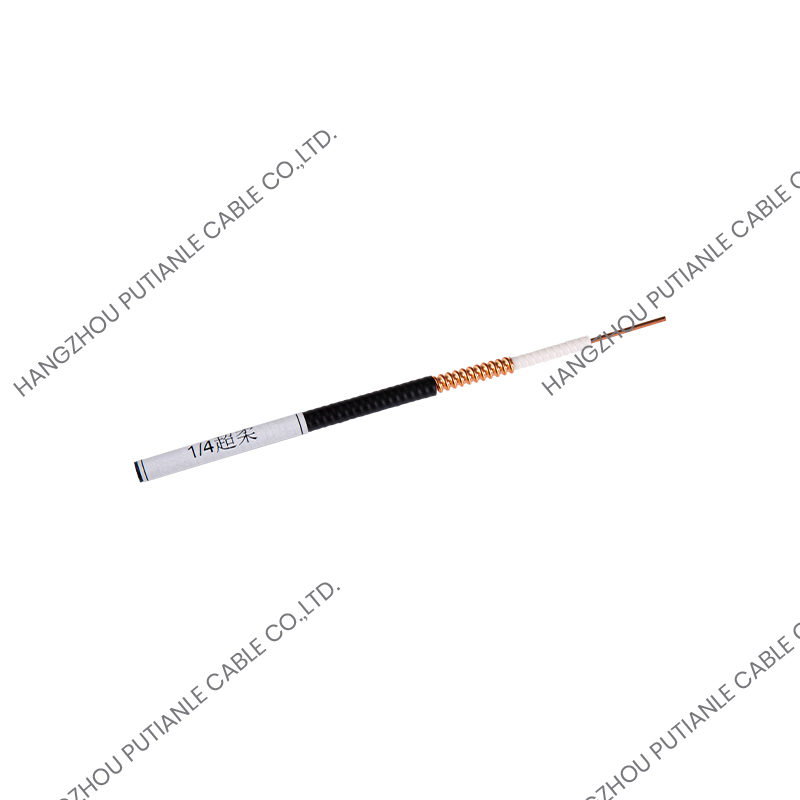
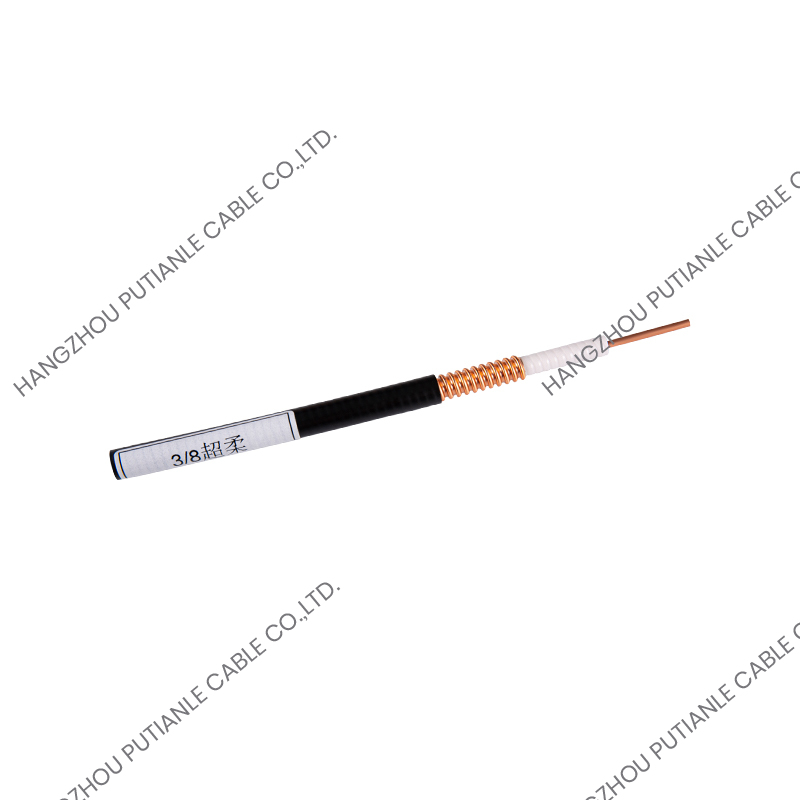
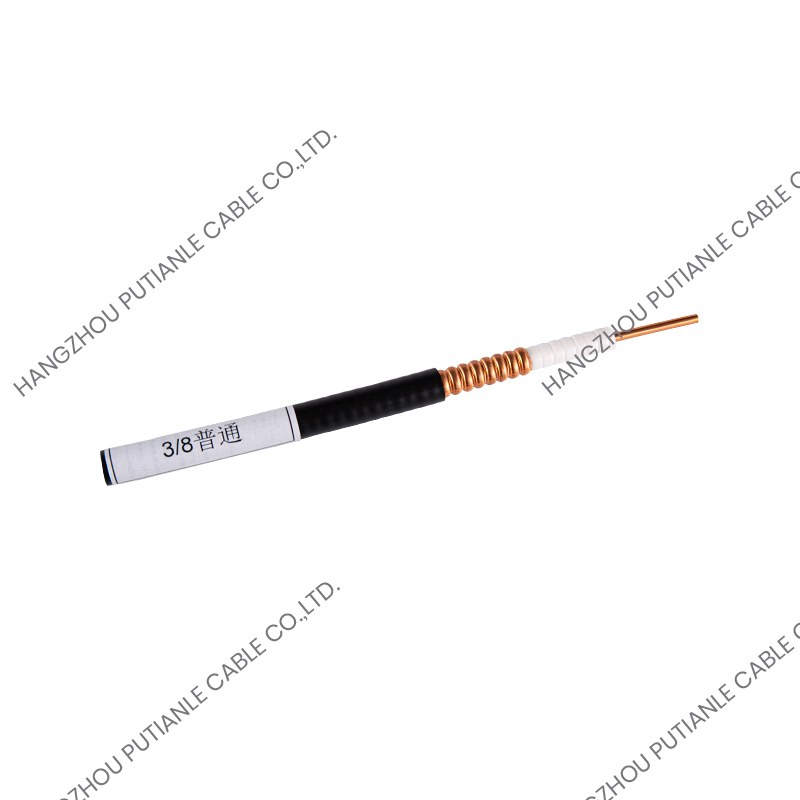
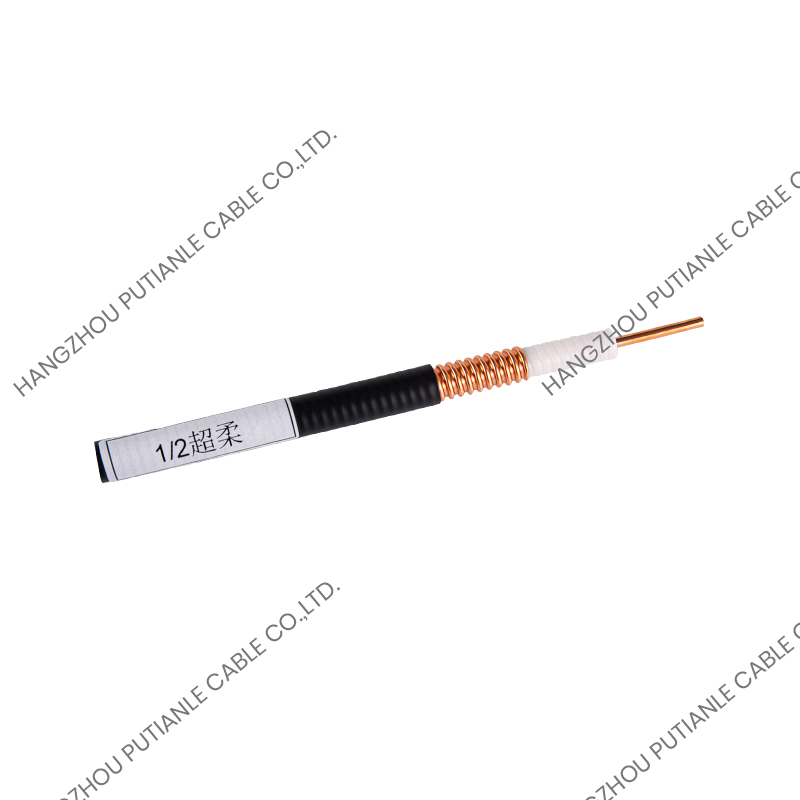
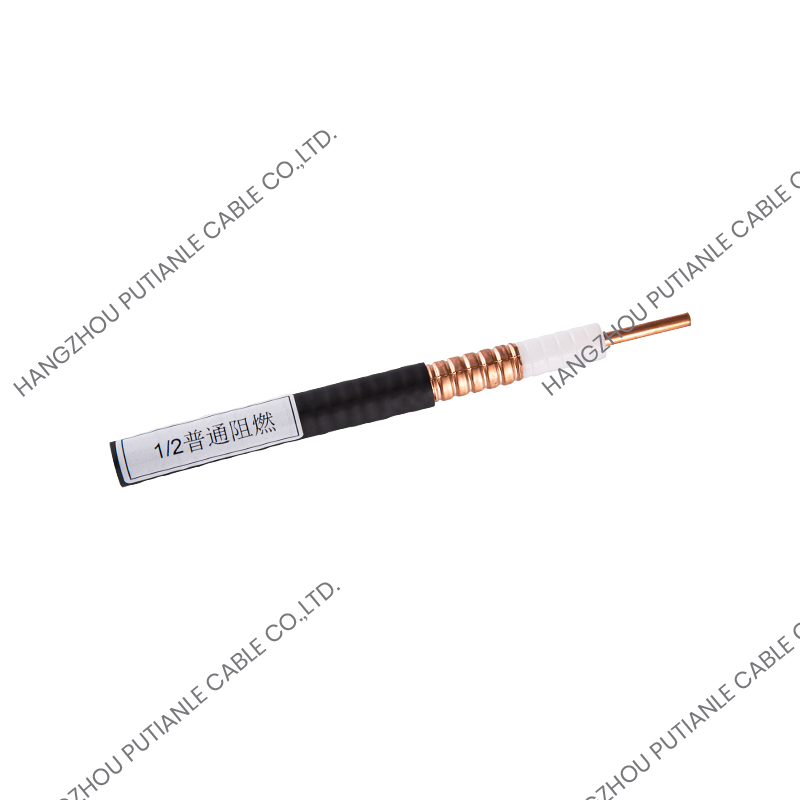
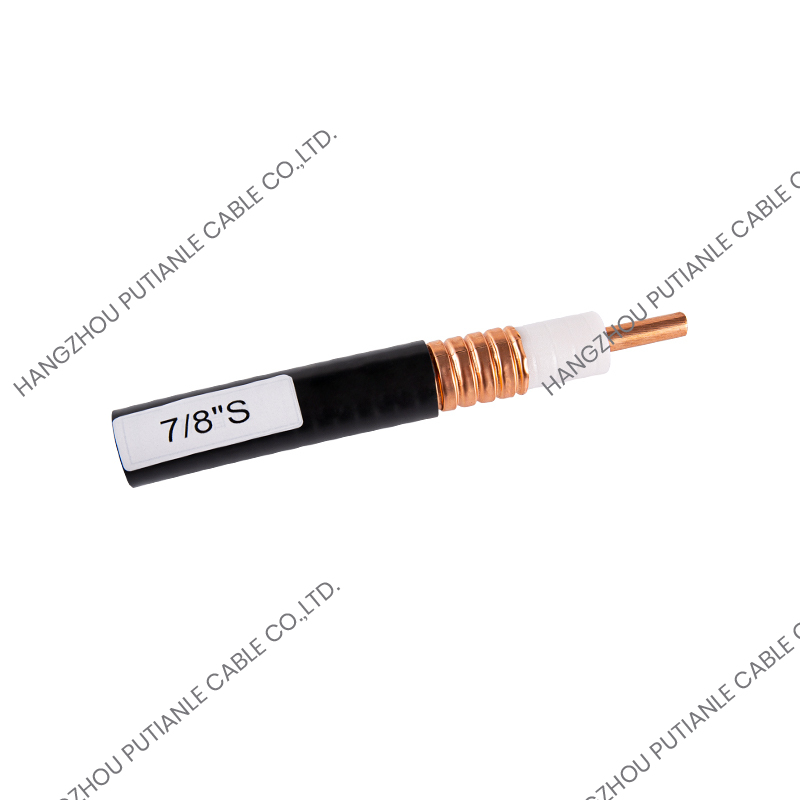
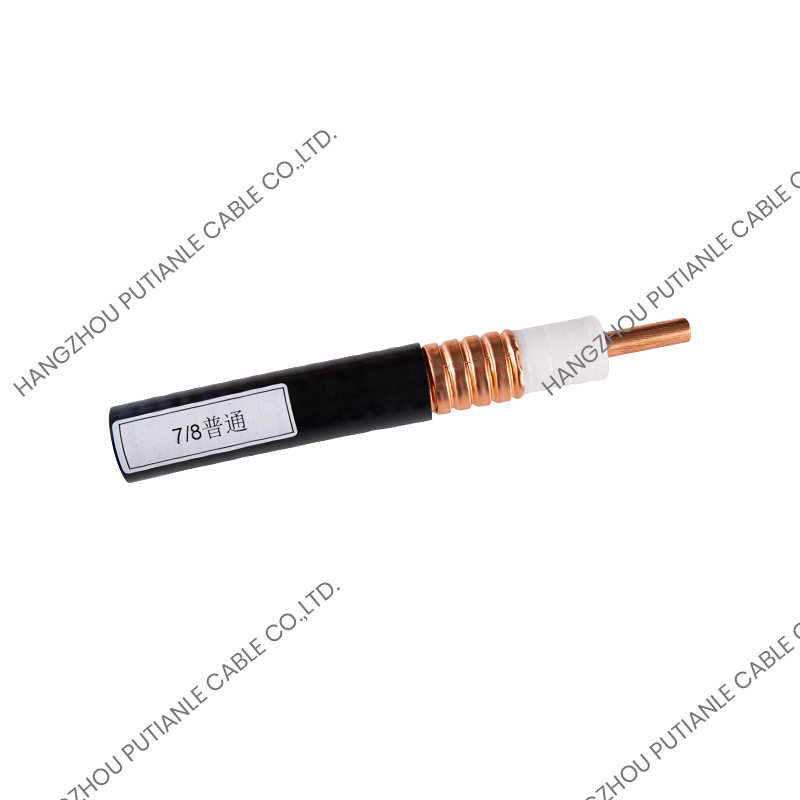
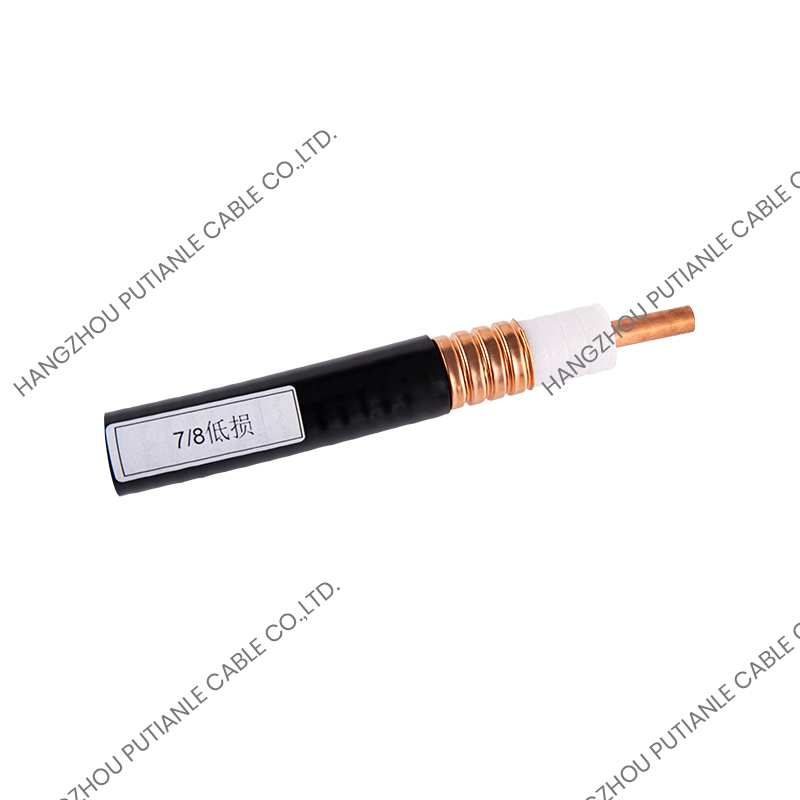
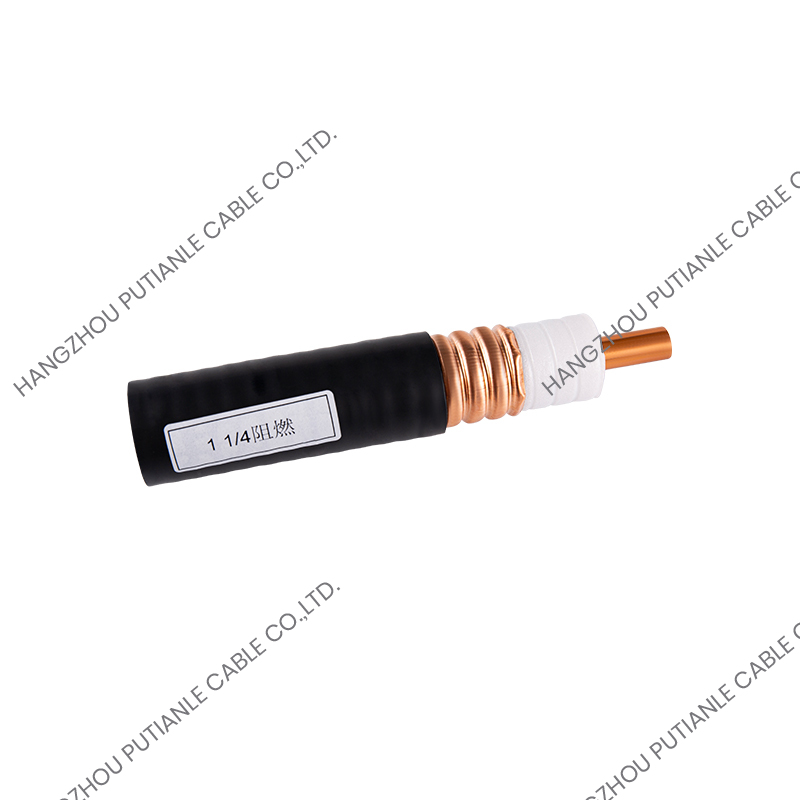
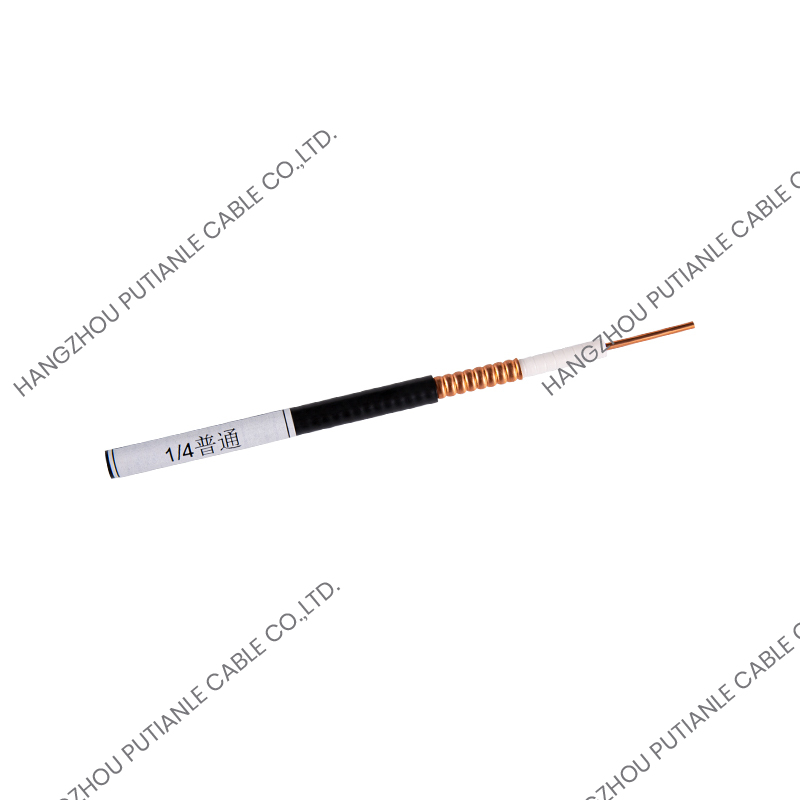
Coaxial cable gets its name from its concentric layered construction, where a central conductor, insulating dielectric, metallic shield, and outer jacket all share the same axis. The center conductor carries the actual signal, while the surrounding shield layer blocks external electromagnetic interference from corrupting the signal and prevents the cable's own signal from radiating outward and interfering with nearby equipment.
The dielectric insulator separating the center conductor from the shield plays a critical role in determining the cable's electrical characteristics, including its impedance and signal loss over distance. Common dielectric materials include solid polyethylene, foam polyethylene, and air-spaced designs, each offering different tradeoffs between signal performance, flexibility, and cost.
Common Coaxial Cable Types and Their Uses
Coaxial cables are categorized by standardized RG (Radio Guide) designations, each optimized for specific frequency ranges and applications.
| Cable Type | Impedance | Primary Use |
| RG-6 | 75 ohm | Cable TV, satellite, home internet |
| RG-59 | 75 ohm | CCTV, short-run analog video |
| RG-11 | 75 ohm | Long-distance cable runs, trunk lines |
| RG-58 | 50 ohm | Amateur radio, test equipment |
| RG-213 | 50 ohm | High-power radio transmission |
RG-6 has become the standard choice for residential cable television and internet installations because it offers a good balance of signal quality, bandwidth capacity, and cost, largely replacing the older, thinner RG-59 cable for most modern home applications, though RG-59 still sees use in shorter CCTV camera runs where its added flexibility is useful.
Understanding Impedance and Why It Matters
Impedance, measured in ohms, describes the cable's resistance to the flow of alternating current signals and must match the equipment it connects to in order to prevent signal reflection and loss. The two standard impedance values in coaxial cable are 75 ohm and 50 ohm, and these are not interchangeable despite looking physically similar.
75 ohm cable is the standard for video and broadcast applications, including cable television, satellite systems, and home internet connections, because this impedance value minimizes signal loss for video frequency signals over typical residential cable run distances. 50 ohm cable, by contrast, is standard in radio frequency applications such as amateur radio, wireless networking equipment, and test instrumentation, since this impedance value better handles the power-transmission characteristics common in those use cases.
Key Specifications to Check Before Buying
Beyond cable type and impedance, several additional specifications affect how well a coaxial cable will perform in a given installation.
Signal Attenuation
Attenuation refers to signal loss over distance, typically expressed in decibels per hundred feet at a specific frequency. Longer cable runs require cables with lower attenuation ratings, or the use of signal amplifiers, to maintain adequate signal strength at the receiving end.
Shielding Type
Coaxial cable shielding ranges from single-braid designs to more robust quad-shield configurations that combine braided and foil shielding layers. Quad-shield cable offers significantly better protection against interference and is often recommended for installations near sources of electrical noise, such as fluorescent lighting or power lines.
Conductor Material
Center conductors are typically made from either solid copper or copper-clad steel. Solid copper offers better conductivity and lower signal loss, while copper-clad steel provides greater tensile strength, making it more resistant to breaking during installation, particularly for cables that will be pulled through walls or conduits.
Frequency Rating
Cables are rated for specific frequency ranges depending on the signals they need to carry. Applications like satellite television or high-speed internet may require cables rated for higher frequencies than standard analog cable television service.
Choosing the Right Connector Type
The connector used with coaxial cable must match both the cable type and the connected equipment to ensure a secure, low-loss connection.
- F-connectors: standard for residential cable TV, satellite, and internet modem connections
- BNC connectors: common in CCTV systems, professional video, and test equipment
- N-connectors: used in higher-power radio frequency and outdoor wireless applications
- SMA connectors: common in smaller radio equipment and antenna connections
Using compression-style F-connectors rather than older crimp-on or twist-on styles generally produces a more weatherproof, reliable connection for outdoor installations, since compression fittings create a tighter seal around the cable jacket that resists moisture intrusion over time.
Indoor vs Outdoor Cable Considerations
Coaxial cable intended for outdoor installation requires additional protective features not necessary for indoor runs. Outdoor-rated cables typically include a UV-resistant jacket to prevent degradation from sun exposure, along with a flooded or gel-filled construction that prevents water from wicking along the cable's length if the outer jacket is ever compromised.
Using indoor-rated cable in an outdoor setting can lead to premature jacket cracking, water infiltration, and signal degradation within a relatively short time, making it important to confirm a cable's outdoor rating before running it along an exterior wall or underground conduit.
Selecting the Right Coaxial Cable for Your Project
Choosing the correct coaxial cable ultimately depends on matching cable type, impedance, and shielding quality to the specific application and installation environment. Residential cable television, satellite, and internet installations are generally well served by quad-shield RG-6 cable with F-connectors, while radio and wireless applications require 50 ohm cable matched to the specific frequency range and power requirements of the connected equipment.
For longer cable runs or installations in electrically noisy environments, investing in higher-quality shielding and lower-attenuation cable typically pays off through more reliable signal transmission and fewer troubleshooting issues down the line. Taking the time to match cable specifications to the actual demands of a project helps ensure a stable, long-lasting connection rather than one prone to signal loss or interference-related problems.